
You fight caterpillars, beetles, and leaf-eaters in your vegetable garden. You spray again and again. But pests keep eating your crops.
Chlorantraniliprole changes this. This insecticide kills harmful pests. At the same time, it stays safe for helpful insects and your vegetables.
Here’s what matters: you need the right timing, dosage, and method. Get these wrong, and it won’t work.
Armyworms eating your lettuce? Tomato hornworms destroying your plants? Understanding how chlorantraniliprole works makes all the difference. You’ll get a great harvest instead of losing your crops.
This guide covers everything. You’ll learn to spot the right pests. You’ll master how to apply it. Plus, you’ll get key safety steps that keep your garden and family safe.

Target Pests
Chlorantraniliprole works on specific insect groups. It targets caterpillars and certain beetles. The compound disrupts muscle control in these pests. Most beneficial insects stay unharmed.
California vegetable growers scout for insects and mites on 98-99% of their acreage. Pest identification is critical. Know what’s damaging your crops before you spray.
Primary Caterpillar Targets
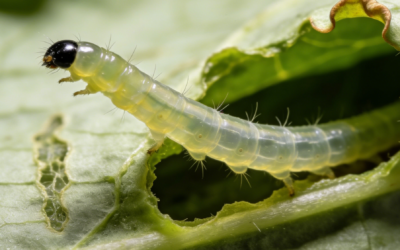
Caterpillars cause the most vegetable crop damage in home gardens. Chlorantraniliprole controls these destructive feeders:
Armyworms (Spodoptera species) eat corn, lettuce, cabbage, and peppers. You’ll see ragged holes in leaves and stems stripped bare. These pests move in groups. They can destroy entire rows overnight.
Tomato hornworms (Manduca quinquemaculata) strip tomato, pepper, and eggplant foliage. Each larva eats up to 1 pound of plant material before pupating. Look for dark green droppings on leaves below feeding sites.
Cabbage loopers (Trichoplusia ni) attack all brassica crops. They bore into cabbage heads and broccoli crowns. Light infestations make produce unmarketable.
Diamondback moths (Plutella xylostella) target kale, collards, and mustard greens. Larvae create small holes in leaves. This gives a “shot-hole” appearance. Heavy populations can strip entire plants within days.
Corn earworms (Helicoverpa zea) damage sweet corn, tomatoes, and beans. They tunnel into ears and fruits. This creates entry points for rot and disease.
Beetle Pests Under Control
Chlorantraniliprole also manages select beetle species that threaten vegetable gardens:
Colorado potato beetles (Leptinotarsa decemlineata) devastate potatoes, tomatoes, and eggplants. Both larvae and adults feed on foliage. A single generation can strip crops bare if left unchecked.
Flea beetles (Alticini species) create tiny holes in leaves of peppers, eggplants, and brassicas. Seedlings suffer the most damage. Heavy feeding stunts growth. Yields drop by 30-50%.
Scouting Reveals the Need
Records show 64-85% of California vegetable growers track pest activity levels. This monitoring tells you spray timing.
Check your plants twice per week during peak growing season. Turn leaves over to find eggs and young larvae. Spot them fast. You can treat before populations explode.
Focus on these high-risk periods:
– Spring: Caterpillar moths emerge as temperatures reach 60°F
– Summer: Second and third generations overlap. This creates constant pressure.
– Fall: Pests migrate from dying crops to late-season vegetables
Treat at 2-3 larvae per plant on leafy greens. For fruiting crops like tomatoes, spray at first egg cluster discovery. Chlorantraniliprole works best on young larvae before they cause major damage.
Beneficial organism releases complement chemical control. California growers use natural enemies on 22-30% of vegetable acreage. Combine both approaches for season-long pest control.

Application Methods
Chlorantraniliprole comes in two types for home vegetable gardens. Each type needs different mixing ratios and application methods. Get the mix right. Apply it the right way. Your pest control lives or dies on these details.
Granular Application for Soil-Dwelling Larvae
Granular forms stop pests before they reach your plants. These products contain 0.2-0.4% active ingredient mixed with clay carriers.
Apply granules at planting time for season-long protection:
Broadcast method: Spread granules across prepared soil at 1-2 pounds per 1,000 square feet. Work them into the top 2-3 inches with a rake. Water right after mixing them in. This activates the insecticide. It moves into the root zone.
In-furrow treatment: Place granules in planting rows for transplants. Use 4-8 ounces per 100 feet of row. Cover with 1 inch of soil before setting plants. This creates a protective barrier around new roots.
Side-dress application: Apply granules in a 6-inch band next to established plants. Keep product 2-3 inches away from stems. Use 0.5-1 ounce per 10 feet of row. Work it into the soil surface.
Granular chlorantraniliprole stays in soil for 30-45 days. One application usually covers the critical early period. Soil moisture activates the product. Roots absorb it through their systems. This protects new growth as plants develop.
Wireworms, root maggots, and cutworms contact the treated soil zone. They eat fatal doses while feeding. You won’t see these pests above ground. But granular treatment stops damage before it starts.
Liquid Spray Solutions for Foliar Feeders
Liquid concentrates give you flexibility for above-ground pest control. Most home garden products contain 0.045-0.2 pounds of active ingredient per gallon.
Mixing ratios matter. A common form uses 0.5-1.0 fluid ounces of concentrate per gallon of water. This creates a 0.01-0.02% spray solution. Read your product label. Strengths vary by maker.
Calculate coverage needs: One gallon of mixed spray treats 1,000 square feet of garden space. A 4×8 raised bed (32 square feet) needs about 4-5 ounces of mixed solution.
Spray timing matters:
Early morning application (6-9 AM) works best. Temperatures stay cool. Wind speeds stay low. Spray droplets dry slower. This extends contact time with target pests. Don’t spray above 85°F. Heat causes fast drying. Coverage drops.
Late afternoon spraying (4-7 PM) offers a second option. Temperatures drop. But skip late evening. Wet leaves overnight invite fungal diseases.
Never spray during rain or with rain coming within 2 hours. Chlorantraniliprole needs 1-2 hours to dry and stick to leaf surfaces. Rain washes away fresh applications. You waste product and money.
Sprayer Selection and Technique
Your equipment choice affects coverage quality:
Pump sprayers (1-2 gallon) suit small gardens under 500 square feet. These give steady pressure. You control spray direction with precision. Clean tanks well between uses. Leftover chlorantraniliprole can damage sensitive plants like flowers.
Hose-end sprayers work for larger spaces but give less even coverage. Many models dilute concentrates unevenly. Pre-mix solutions in a separate container if you choose this option.
Backpack sprayers (3-4 gallon) handle 1,000-2,000 square foot gardens well. Adjustable nozzles let you switch between fine mist and coarse spray patterns.
Nozzle settings affect how deep spray goes:
Use fan-pattern nozzles for broad-leafed crops like cabbage and lettuce. Set pressure at 30-40 PSI. This creates medium-sized droplets that stick to flat surfaces.
Switch to cone-pattern nozzles for thick foliage like tomatoes and peppers. These make finer droplets. They get through plant canopies better. Target leaf undersides where caterpillars hide.
Good coverage technique makes the difference:
Spray from multiple angles. Start with plant tops using downward-angled spray. Then lift lower leaves and spray undersides with upward-angled application. Caterpillar eggs and young larvae cluster on leaf undersides. Miss these spots and you miss the target.
Apply until leaf surfaces show even wetness. Don’t spray to runoff. Extra liquid drips to soil. You lose active ingredient and increase exposure to the environment.
Walk backwards while spraying rows. This stops you from stepping on just-treated plants. Keep 18-24 inches between nozzle and plant surfaces. Closer spraying wastes product. Greater distances cut coverage.
Reapplication Intervals and Coverage Limits
Chlorantraniliprole gives 7-14 days of activity on plant surfaces. Rain, watering, and new growth reduce strength over time.
Check pest pressure between applications. Light problems may need just one treatment. Heavy pressure or multiple pest cycles require 2-3 applications per season.
Space treatments 7-10 days apart at minimum. Shorter gaps don’t improve control. They just increase chemical exposure.
Maximum application limits vary by crop:
– Leafy greens: 4 applications per season
– Fruiting vegetables: 6 applications per season
– Root crops: 2-3 applications per season
Track your applications. Write down dates and rates. This stops you from going over label limits. It also helps you judge results season to season.
Rotate chlorantraniliprole with bug killers from different chemical groups. This slows pest resistance. Switch with Bt products, spinosad, or pyrethrin-based sprays. use chlorantraniliprole for peak pressure times or options that fail.
Important Precautions
Handle chlorantraniliprole the right way. This protects your health, those around you, and your garden ecosystem. Low-toxicity products still need care during storage, mixing, and application.
Storage and Container Management
Keep concentrated chlorantraniliprole in its original packaging. Don’t transfer it to unmarked containers or food/drink bottles. Lock products in a cabinet or storage shed. Temperatures should stay between 40-100°F.
Children and pets need zero access to storage areas. “Reduced risk” pesticides can still harm if swallowed. Place containers on shelves above ground level. This stops flooding from reaching stored chemicals during heavy rain.
Check expiration dates once a year. Most chlorantraniliprole products stay good for 2-3 years with the right storage. Dispose of expired materials through household hazardous waste collection programs. Don’t pour concentrates down drains or into storm sewers.
Mixing Zone Safety
Set up your mixing station outdoors. Pick a spot with good air flow. Work on concrete, gravel, or other hard surfaces—not on bare soil or grass. Spills on plants can damage them and create concentrated exposure points.
Measure concentrates with care. Use measuring cups or spoons just for this purpose. Clean these tools after each use. Store them with pesticide supplies, not in your kitchen. Mixing pest control products with food prep tools creates serious health risks.
Add chlorantraniliprole to water, not water to concentrate. This cuts down splashing and fume release. Mix solutions right before use. Pre-mixed spray loses power after 24-48 hours. Got leftover spray? Apply it to untreated garden areas following label rates.
Personal Protective Equipment Standards
Long-sleeved shirts and long pants form your first barrier during mixing and spraying. Choose fabrics with a tight weave that resist liquid getting through. Cotton and cotton-blend materials work well. Skip shorts, tank tops, or other clothes that expose skin.
You need chemical-resistant gloves. Nitrile or neoprene gloves protect better than latex or vinyl types. Chlorantraniliprole doesn’t absorb through skin much, but gloves stop direct contact with concentrated forms. Wash gloves with soap and water after each use. Replace them once you see cracks or tears.
Safety glasses shield your eyes from spray drift and splashes during mixing. Standard prescription glasses don’t give enough side protection. Use wraparound safety glasses or goggles that seal around your eye area.
Closed-toe shoes stop foot exposure if you spill concentrate or walk through treated areas. Rubber boots give the best protection. Clean footwear after working with pesticides before entering your home.
Children and Pet Re-Entry Rules
The standard re-entry gap for chlorantraniliprole-treated vegetables is 4 hours. This applies to adults returning to work in treated areas. Stretch this window to 12-24 hours for children and pets.
Young children put hands and objects in their mouths often. Pets groom themselves by licking their fur and paws. Both habits boost the risk of swallowing surface residues. The extra waiting time lets residues break down more before contact.
Mark treated areas with flags or signs during the re-entry period. This stops people from entering by accident—those who don’t know you just sprayed.
Water Source Protection Measures
Keep chlorantraniliprole at least 25 feet from wells, ponds, streams, and other water bodies during mixing and application. Small spills near water sources create contamination risks. The compound dissolves in water at a moderate rate. It moves through soil with irrigation and rainfall.
Don’t rinse spray equipment where runoff reaches storm drains or natural waterways. Pick a spot for equipment cleaning. Choose an area with good soil absorption, away from sensitive spots. Rinse spray tanks and nozzles three times. Apply rinse water to garden sections you already treated at the right dilution rates.
Emergency Response Procedures
Skin contact: Remove contaminated clothing right away. Wash affected areas with soap and water for 15-20 minutes. Wash clothing on its own before wearing again.
Eye exposure: Flush eyes with clean water for 15 minutes while holding eyelids open. Remove contact lenses if you have them in. Get medical help if irritation lasts beyond 30 minutes.
Ingestion: Do NOT make yourself vomit. Rinse mouth with water. Drink 8-12 ounces of water to dilute stomach contents. Call Poison Control (1-800-222-1222) or get emergency care right away. Bring the product label with you.
Breathing problems are rare with chlorantraniliprole at normal use amounts. Feel dizzy, get a headache, or have trouble breathing during mixing or spraying? Move to fresh air right away. Symptoms should clear up within 10-15 minutes. Issues that stick around need medical review.

You can protect your vegetable garden without sacrificing safety or effectiveness. Chlorantraniliprole targets destructive pests while keeping beneficial insects, pollinators, and your family safe. Learn the proper application methods—foliar sprays, soil drenches, or drip irrigation. You’ll stop common garden invaders like caterpillars, leafminers, and thrips before they destroy your harvest.
Success comes down to timing and rotation. Apply the treatment when pests first appear. Respect pre-harvest intervals. Rotate with other pest management strategies. This maximizes your results and prevents resistance buildup. Read product labels and follow dosage rates. This ensures crop safety and protects the environment.
Your vegetable garden needs protection that matches your hard work. Use these chlorantraniliprole strategies today. Pest management shifts from a frustrating battle to a simple part of your routine. One smart application puts you closer to a thriving, productive garden.


0 Comments