
Choosing the right bug killer for your crops? You need to know if Chlorantraniliprole works by contact or moves through the plant. This affects how you spray, when you spray, and how well it kills pests.
Complete spray coverage or internal movement—this distinction matters. Does the active ingredient need to touch every pest? Or will it travel through plant tissues to reach hidden bugs?
Here’s the surprising part: chlorantraniliprole does both. But it’s stronger at one than the other.
You might be fighting caterpillar larvae in vegetables. Or maybe beetles in turf. Perhaps you’re protecting flowers from destructive insects. Either way, understanding how this diamide insecticide moves gives you better results. You can adjust your application methods. Plus, you might use less chemical overall.

How Chlorantraniliprole Works
Chlorantraniliprole belongs to IRAC Group 28, the anthranilic diamide class of insecticides. This tells you how the chemical kills bugs at the cell level.
The active ingredient targets ryanodine receptors in insect muscle cells. These receptors control calcium release. Chlorantraniliprole binds to them. Calcium then floods into muscle tissue without control. The pest’s muscles lock up. They can’t relax. Feeding stops within hours. The insect dies from paralysis and starvation.
This works differently from older bug killers like pyrethroids or organophosphates. Pyrethroids attack sodium channels in nerve cells. Organophosphates shut down acetylcholinesterase enzymes. Chlorantraniliprole skips both systems.
Single-Site Action with Low Mammal Toxicity
IRAC calls this a single-site mode of action. The chemical hits one specific target at the cell level. Multi-site products disrupt multiple cell processes at once.
Single-site action raises resistance risk over time. Pests can develop mutations in their ryanodine receptors. The bug killer loses effectiveness. That’s why product labels tell you to rotate chemicals.
But here’s the upside: this focused targeting makes chlorantraniliprole very safe for mammals. Our ryanodine receptors have different structures. The chemical doesn’t bind well to them. You get great pest control with low human health risk.
The diamide structure also breaks down faster in soil and water than many options. Tiny organisms break it down within weeks under normal conditions. It doesn’t stick around in the environment.
Knowing this cell-level mechanism helps you predict behavior. Ryanodine receptor activation happens whether the chemical touches the pest or enters through feeding. Both contact and systemic properties come from the same core action. Just delivered through different paths.
Contact Activity
Chlorantraniliprole kills pests on contact. The chemical doesn’t need to enter the bug’s digestive system. Touch alone triggers paralysis.
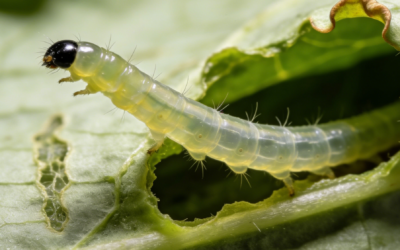
Spray droplets land on leaf-eating caterpillars. The active ingredient goes through the insect’s outer shell within minutes. It reaches muscle tissue fast. Special receptors start binding. Calcium floods the cells. Movement stops before the pest takes another bite.
You get immediate protection from this contact activity. Beetles crawling across treated leaves pick up lethal doses. Thrips walking on sprayed flower petals absorb enough chemical to die. No need to wait for the bug to chew plant material.
Coverage Determines Contact Effectiveness
Direct spray coverage matters with contact action. Miss a leaf surface? Pests hiding there survive. They keep feeding until the chemical reaches them another way.
Top leaf surfaces get good coverage with standard spray equipment. Bottom surfaces need better technique. Caterpillars often hide underneath leaves during daylight. They come out to feed at night. You want chemical on both sides for complete contact control.
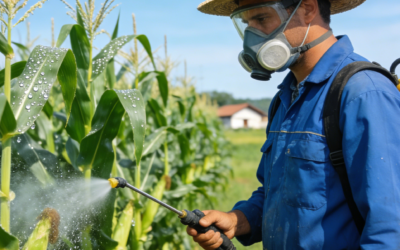
Spray volume affects contact performance too. Higher volumes mean better coverage across complex plant structures. Dense canopies in vegetables need 50-100 gallons per acre for thorough contact activity. Turf applications use lower volumes because grass blades sit more exposed.
Droplet size plays a role. Smaller droplets spread across more surface area. But they drift easier in wind. Larger droplets hit targets better in breezy conditions. They just cover less total area per gallon applied.
Weather impacts contact activity within hours. Rain washing treated surfaces before the chemical dries reduces effectiveness. The active ingredient needs 1-2 hours to absorb into the waxy leaf coating. Rain too soon means reapplication.
Temperature changes absorption rates. Warmer conditions speed up penetration through insect shells. Cold weather slows the process. You get faster contact kills at 75°F than 55°F with identical spray coverage.
The diamide structure resists UV breakdown for several days. Sunlight breaks down many contact bug killers quickly. Chlorantraniliprole maintains surface activity longer than pyrethroids under direct sun exposure.

Systemic Activity
Chlorantraniliprole moves through plant tissues after you apply it. This inside movement sets it apart from contact insecticides that sit on surfaces.
The chemical travels upward through xylem vessels. Put granules in soil around roots. Water turns on the product. Roots take in the active ingredient within days. Xylem sap carries it to stems, leaves, and new growth. Pests feeding on any plant part eat deadly doses.
This xylem movement works in products like Vistara Formulation (0.4% w/w GR) and Acelepryn G (0.2% granular). Both deliver soil-systemic activity. Plant parts that never touched spray droplets get protection. Hidden caterpillars boring into stems die from eating treated tissue. Root-feeding grubs eat enough chemical through turf roots to cause paralysis.
Upward Transport
Chlorantraniliprole lacks phloem mobility. It doesn’t move downward or spread in both directions through plants. Xylem flows one way—from roots to shoots and leaves. The chemical follows this path.
Phloem-mobile insecticides like imidacloprid travel both ways. They protect roots even when sprayed on leaves. Chlorantraniliprole works differently. Foliar applications won’t move down to protect root zones. Soil applications won’t flow back into the ground.
This upward pattern affects timing strategies. Put down granules before pests emerge. The chemical needs 7-14 days for root uptake. Peak concentration in plant tissues hits at 14-21 days after application. Plan treatments around pest life cycles. Early-season application protects against first-generation larvae better than waiting for visible damage.
Uptake efficiency runs 60-80% from granular soil applications. Most of the active ingredient enters roots within two weeks under normal moisture. Xylem sap analysis shows 70% concentration in vascular tissue. Phloem samples contain less than 5% detectable chemical.
Translaminar Movement in Leaves
Foliar sprays create different systemic activity. Chlorantraniliprole goes through leaf surfaces and moves through the tissue thickness. This translaminar mobility lets the chemical reach pests on opposite leaf sides without spray contact.
Spray the top surface. The active ingredient absorbs through the waxy cuticle. It spreads across mesophyll cells between upper and lower leaf surfaces. Caterpillars feeding underneath eat treated plant material. They die even though spray never touched them.
Translaminar activity lasts 21-30 days from foliar applications. The chemical stays active inside leaf tissues longer than surface residues. UV light breaks down surface deposits. Internal chemical stays protected. You get extended control beyond contact products.
This movement doesn’t extend to neighboring leaves. Each leaf absorbs and holds its own amount. Untreated leaves stay unprotected. Complete canopy coverage still matters for full systemic benefit through foliage.
Season-Long Protection in Turf
Acelepryn G shows top systemic performance in turfgrass. One application gives 6-12 months of grub control. The 0.2% granular formulation releases into soil over time. Grass roots absorb chemical throughout the growing season.
Application rates run 1.5-2.9 kg per hectare for turf pests like white grubs and billbugs. Set spreaders to 20-40 kg total product per hectare based on soil type. Sandy soils need higher rates. Clay holds chemical longer at lower doses.
Mix granules into the top 5-10 cm of soil before planting or during renovation. Watering after application turns on uptake. Put down 10-20 mm of water within 24 hours. Moisture moves granules into the root zone. Dry conditions delay activation and cut effectiveness.
Peak uptake occurs 14-21 days after watering in. Grub mortality reaches 95% for lepidopteran larvae at 0.4% GR rates. Protection continues as roots grow and absorb more chemical. Reapplication becomes necessary when gaps exceed 30 days between pest generations.
Seed Treatment Applications
Seed-applied chlorantraniliprole protects seedlings through xylem distribution. Corn and rice seeds get treated at 0.2-0.4 mg active ingredient per seed. Germinating roots absorb the chemical right away. Young plants gain early-season protection against corn rootworm and rice water weevil.
Field trials show greater than 90% larval reduction from treated seeds. The chemical moves into emerging shoots and leaves as seedlings develop. First-generation pests feeding on young plants eat systemic doses. Protection lasts through critical establishment periods when plants face highest damage risk.
This seed treatment method uses less total chemical than broadcast applications. Exact dosing on individual seeds puts active ingredient where emerging roots need it most. No spray equipment needed. Less environmental exposure compared to foliar or soil broadcasting.
Product Formulations and Uses
Chlorantraniliprole comes in several forms for different pest problems. You can get it as liquids, granules, or seed treatments. Each type works differently and fits specific application needs.
Granular Formulations for Soil Application
Vistara (0.4% w/w GR) fights farm pests through the soil. Use 75 kg per hectare for sugarcane borers. Rice farmers need 40 kg per hectare for stem borers and leaf folders. The granules break down in wet soil. Roots soak up the chemical over 10-14 days. The protection moves up into stems and leaves.
Acelepryn G has 0.2% active ingredient in granular form for lawns. This lighter dose covers bigger areas. One treatment stops white grubs, billbugs, and surface caterpillars for 6-12 months. Homeowners and golf course managers like granules. Spreader equipment puts them down smoothly. You don’t need mixing or spray gear.
Granular products need water within 24 hours. Add 10-20 mm of irrigation or wait for rain. Dry granules on top of soil won’t get into plants. Water breaks down the carrier. The active ingredient drops into the root zone. That’s where plants take it up.
Liquid Concentrates for Foliar and Soil Drench
Acelepryn liquid gives you flexibility at 8-20 fluid ounces per acre. Mix with water and spray leaves for contact plus inside-leaf action. Or soak soil around plant bases for root uptake.
Foliar sprays act faster. Spray puts chemical on leaf surfaces right away. Pests die from contact in hours. The inside-leaf movement gives 21-30 days of protection. This combo handles pests on surfaces and hidden ones too.
Soil drench takes more time to work. Mix concentrate with enough water to soak 15-20 cm deep around roots. Uptake begins in 3-5 days in warm weather. Plants reach peak levels at 14-21 days. Go with drench methods for root feeders. Or use it for all-season protection without repeat sprays.
Agricultural Crop Protection
Rice and sugarcane farms count on Vistara for moth and butterfly pests. The 0.4% granular rate controls stem borers that dig inside plant stalks. Contact sprays can’t touch these hidden bugs. Root uptake puts killing doses inside every stem part.
Put it down before pests show up. Treatment at planting or transplanting gives young plants built-in defense. You might need a second dose if pests keep coming after 45-60 days. Switch between different IRAC groups. This stops resistance in pests that breed multiple times.

Chlorantraniliprole works as both a contact and systemic insecticide. This changes how you handle pest management. You get dual-action protection that covers multiple angles. No need to pick just one control method.
Apply it as a foliar spray for instant contact kill. Or use it as a soil drench for weeks of systemic defense. This active ingredient fits your specific crop protection needs.
Strategic timing is where the real power shows up. Use its systemic properties during early growth stages. Use its contact activity when pest pressure peaks. This gives you both preventive and curative control. Plus, different formulations expand your options—suspension concentrates, water-dispersible granules, and more. Each one works across various crops and pest scenarios.
Check your current pest pressure before the next application. Look at your crop stage. Review your protection timeline. Match the right chlorantraniliprole formulation and application method to your situation. You’ll get both modes of action working for superior, long-lasting results. Your integrated pest management strategy needs this kind of flexibility.


0 Comments