
Picking between Chlorantraniliprole and abamectin for pest control goes beyond grabbing a product off the shelf. This choice affects your crop yield, budget, and how well you manage pests over time.
Both insecticides work well in modern farming. They operate through different mechanisms and offer unique benefits based on your needs.
You might be fighting tough caterpillar larvae eating your vegetables. Or maybe you’re dealing with pests that resist common treatments. Perhaps you need options that won’t harm helpful insects in your pest management program. Either way, you need to know how these two ingredients stack up.
This analysis covers how they work, how well they perform, their environmental safety, and how to apply them. You’ll get clear, evidence-based insights to pick the right option for your crops. Not just for today – but as part of a sustainable rotation plan that manages resistance and keeps working season after season.

Overview Between Chlorantraniliprole & Abamectin
Chlorantraniliprole and abamectin come from two different eras of insect control technology. Each tackles specific pest problems in farming. Know their core differences to build better, longer-lasting pest control programs.
Chlorantraniliprole belongs to the diamide insecticide group. It was made to fight caterpillars—the larvae of moths and butterflies that destroy crops worldwide. Released in 2007 under names like Coragen and Rynaxypyr, this lab-made compound changed how we fight caterpillars. It uses a new ryanodine receptor activation method. The chemical disrupts calcium flow in insect muscle cells. This causes paralysis and stops feeding within hours.
Abamectin comes from a different source. It’s part of the avermectin group—compounds derived from nature. Scientists first found it in soil bacteria Streptomyces avermitilis back in the 1970s. This natural origin gives it a wider target range. It kills mites, leafminers, and many chewing and sucking insects. Abamectin attacks the nervous system through GABA and glutamate-gated chloride channels. It causes paralysis through a totally different route than diamides.
These differences matter. They decide which product fits your pest pressure, crop type, and resistance rotation. The next sections show how these differences play out in the field and help you make practical choices.
2. Mode of Action
How do these insecticides kill pests at the molecular level? The answer shows why they work so differently in the field. Mode of action (MoA) describes the biological pathway an insecticide disrupts to control pests. This differs from the broader therapeutic outcome or the specific molecular binding mechanism.
Chlorantraniliprole: Ryanodine Receptor Activator (IRAC Group 28)
Chlorantraniliprole targets ryanodine receptors in insect muscle cells. These receptors control calcium release. Calcium triggers muscle contraction. Chlorantraniliprole binds to these receptors and forces them to stay open.
The diamide insecticide mode of action is selective. Ryanodine receptors in insects differ from those in mammals, birds, and beneficial arthropods. This selectivity explains why chlorantraniliprole shows minimal impact on predatory insects like lacewings and ladybugs at labeled rates.
Technical advantage: This MoA works through ingestion and contact. The insecticide absorbs through the cuticle or gut. It then distributes in plant tissue through translaminar movement. Larvae feeding on treated leaves—even on the underside where spray didn’t reach—still receive lethal doses.
Abamectin: GABA-Gated Chloride Channel Activator (IRAC Group 6)
Abamectin operates through a different neurological pathway. It belongs to the macrocyclic lactone group. It targets glutamate-gated and GABA-gated chloride channels in nerve and muscle cells.
This avermectin pesticide mechanism provides broader pest spectrum coverage. The GABA-chloride channel system exists across multiple arthropod groups—not just caterpillars. Mites, thrips, leafminers, aphids, and whiteflies all possess these vulnerable channels.
Practical limitation: Abamectin works as a contact and translaminar insecticide. It penetrates leaf surfaces to create a reservoir. But it doesn’t move through vascular tissue like chlorantraniliprole. You need better spray coverage to reach hidden pests.
Why Mode of Action Matters for Resistance Management
The IRAC (Insecticide Resistance Action Committee) classification system assigns these products to different groups. Why? Their modes of action don’t overlap. Pests that develop resistance to Group 28 diamides through genetic mutations affecting ryanodine receptors remain susceptible to Group 6 macrocyclic lactones.
This distinction forms the foundation of effective resistance management strategies. Rotating between products with different MoAs prevents selection pressure on any single genetic pathway. A lepidoptera pest control program alternating chlorantraniliprole and abamectin maintains long-term effectiveness far better than using either product alone.
These molecular mechanisms aren’t just academic. They influence spray timing, tank-mix compatibility, and rotation scheduling in your integrated pest management program.
3. Target Pests
Chlorantraniliprole and abamectin attack different pest groups. This difference shows you when and where each product works best in your pest management program.
Chlorantraniliprole: Lepidoptera Specialist
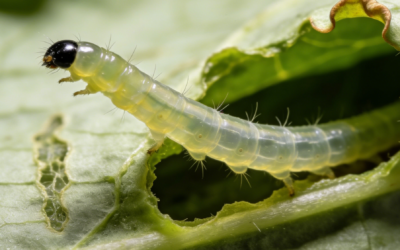
Chlorantraniliprole works as a selective insecticide control solution for lepidoptera pests. It targets caterpillars—the larval stage of moths and butterflies. This makes it your best choice against these chewing pests.
|
Pest Name |
Primary Target Crops |
Damage Characteristics |
|---|---|---|
|
Armyworms (Fall armyworm, Beet armyworm) |
Corn, Soybeans, Cotton, Vegetables |
Major threats; cause severe feeding damage to leaves and stems |
|
Cutworms |
Multiple crop types (seedlings) |
Damage seedlings at soil level, often cutting them off completely |
|
Corn earworm/Cotton bollworm |
Cotton, Corn, Tomatoes, Other high-value crops |
Attacks developing fruit and kernels, causing significant yield loss |
|
Diamondback moth |
Cabbage, Broccoli, Kale |
Destroys leaves, results in holes and reduced marketability |
|
Codling moth |
Apples, Pears |
Primary pest causing fruit damage by boring into fruit |
|
Leafrollers and Loopers |
Fruit trees, Grapes, Ornamentals |
Feed on and roll leaves, reducing photosynthesis and crop quality |
|
Tomato fruitworm and Hornworms |
Tomato family crops |
Cause heavy damage to fruit and foliage, can defoliate plants |
The diamide works by targeting muscle function. Caterpillars eat constantly and have high metabolic rates. Rapid muscle paralysis stops feeding within hours. This matters because larvae can eat several times their body weight each day.
Cotton provides a clear example: Insects account for 45% of all pesticide acre-treatments in U.S. cotton production. Bollworms and similar pests pose the biggest threat. Chlorantraniliprole controls these harmful larvae. At the same time, it protects beneficial insects that handle secondary pests like aphids and whiteflies.
Secondary efficacy extends to some beetle larvae and flies. This includes Colorado potato beetle larvae and certain leafminers. Performance varies by species and life stage.
Abamectin: Broad-Spectrum Arthropod Control
Abamectin covers more pest types across multiple arthropod orders. This wider range makes it versatile. But you need to know its strengths and limits.
|
Target Pest |
Effectiveness & Notes |
|---|---|
|
Spider mites (two-spotted spider mite, European red mite) |
Abamectin’s primary strength in many crops |
|
Leafminers |
Excellent control of larvae mining inside leaf tissue |
|
Thrips |
Effective against multiple thrips species damaging flowers and fruit |
|
Psyllids |
Controls citrus and pear psyllids threatening fruit production |
|
Aphids |
Moderate to good control depending on species and application timing |
|
Whiteflies |
Suppresses populations, especially immature stages |
|
Certain lepidopteran larvae |
Works on some caterpillar species, though not its primary strength |
Avermectin pesticides disrupt neurological function. They affect pests with exposed nervous systems or those that eat treated plant material. Abamectin excels against mites and small-bodied insects.
Vegetables show this versatility: Growers use 11 pest management practices on 75% or more of vegetable acreage. Scouting for diseases, insects, and mites ranks as the most common approach. Abamectin handles multiple pest categories found during scouting—mites, leafminers, and thrips—with a single active ingredient.
Fruit and nut crops also benefit from abamectin’s range. Seven pest management practices cover 75% or more of this acreage. Mite control in apples, citrus, and stone fruits often uses abamectin as a rotation partner with other miticides. This delays resistance development.
Strategic Selection Based on Pest Pressure
Your main pest determines product selection:
Choose chlorantraniliprole: Caterpillars pose the primary threat. This includes species resistant to older products like pyrethroids or organophosphates. You get 14-21 days of control—longer than most alternatives. This cuts down application frequency.
Choose abamectin: Mites, leafminers, or mixed pest groups need control. Its contact activity works best with thorough coverage. Repeat applications every 7-14 days depending on pest pressure.
Know these target differences. This prevents expensive mistakes. You’ll build better resistance management strategies that rotate between IRAC groups based on changing pest populations throughout the growing season.

4. Safety to Non-Target Organisms/Environmental Profile
Environmental impact separates modern pest control products from old chemistries that destroyed helpful species for decades. Chlorantraniliprole and abamectin affect non-target organisms (NTOs) differently. These NTOs include insects, pollinators, aquatic life, and natural enemies that keep farm ecosystems healthy.
Global pesticide use hit 4.1 million tons of active ingredients in 2015. This huge amount links to biodiversity loss worldwide. A 2025 review of 1,705 studies shows pesticides harm non-target organisms even at low levels. These harms include slower growth, failed reproduction, and changed behavior across many species. Temperate farm areas see stronger effects. Application rates peak there during growing seasons.
Chlorantraniliprole: Selective Chemistry with Beneficial Insect Safety
Chlorantraniliprole targets ryanodine receptors in moth and butterfly larvae. Beneficial insects have different receptor structures. This molecular difference creates field-level safety. Resistance management depends on this safety.
Field trials for NTO safety use 2–4 randomized blocks with 8–40 plots per trial. Researchers count 15–20 plants per plot to track helpful species like aphid predators, parasitic wasps, and pollinators. Average counts range 0–70 organisms per plant for five key NTO groups. Pitfall traps placed at 3–7 time points catch ground-dwelling beneficials. These average 0–616 individuals per trap for eight monitored NTO types.
Data collection accounts for natural population changes. Count data fits Poisson distributions (mean = variance = λ). Overdispersed data uses negative binomial models (variance > mean). Presence/absence data uses binomial or beta-binomial distributions. The choice depends on how species cluster in space.
Cotton IPM programs show real benefits. Beneficial insects control 45% of secondary pests after switching to chlorantraniliprole from broad-spectrum products. Natural enemies like Geocoris bugs and parasitic wasps survive diamide treatments. They then control aphids, whiteflies, and plant bugs. No extra insecticide needed.
Abamectin: Broader Spectrum Brings Higher NTO Risk
Avermectin pesticides affect more arthropod nervous systems. This wider activity helps control diverse pests. But it creates risks for helpful species with similar nerve pathways.
The USGS found neonicotinoids—another broad-spectrum insecticide with similar NTO concerns—in 63% of 48 streams across 24 U.S. states. At least one neonicotinoid showed up in one-sixth of all samples. This buildup gets worse in countries with long seed treatment histories. Abamectin shows similar staying power in soil and water near treated fields.
EPA risk assessments test both products on key NTO species. These include helpful insects, fish, birds, and plants. Tests measure short-term and long-term effects at different environmental levels. EFSA (European Food Safety Authority) evaluations go deeper. They assess risks to whole ecosystems from harm to non-target species and ecological processes.
Practical Application for NTO Protection
use chlorantraniliprole for:- Cotton, vegetables, orchards where beneficial insects control secondary pests- Crops that pollinators visit- IPM programs focused on saving biological control agents- Areas with aquatic buffer zones that limit product choices
Use abamectin carefully for:
– Heavy mite or leafminer pressure that outweighs beneficial insect value
– Pre-bloom or post-petal fall timing to reduce pollinator exposure
– Situations where tank-mixing with predator-safe products won’t work
– Spray timing that avoids peak beneficial insect activity
Monitor NTO populations all season. Visual counts and sweep net samples track changes in helpful species numbers. Dropping natural enemy populations tell you to adjust product choice or rotation timing. This monitoring—plus products with beneficial insect safety like chlorantraniliprole—keeps biological control working in IPM programs.
Environmental profiles matter. They decide if your pest control works with nature or fights it season after season.

Choosing between chlorantraniliprole and abamectin isn’t about finding a “better” insecticide. It’s about matching the right tool to your specific pest problem. Chlorantraniliprole works best for long-lasting protection against caterpillar larvae. It won’t harm beneficial insects much. This makes it perfect for IPM programs and organic farming. Abamectin kills pests fast across many species. But you need to time it carefully and watch for resistance.
The smartest approach? Don’t pick just one—rotate them. Switch between these products with different diamide insecticide mode of action types. You’ll get better results and keep both products working longer. Got heavy caterpillar pressure? Start with chlorantraniliprole’s lasting protection. Dealing with multiple pest types or need quick action? Abamectin gives you that flexibility.
Your next step: Check your current pest pressure. Look at resistance patterns in your area. See what beneficial insects you have. Then create a rotation schedule that uses each product’s strengths. Your crops will thrive. You’ll save money. The environment wins too.



0 Comments