
Modern farms need pest control that works well but stays safe. Chlorantraniliprole has become a trusted choice for farmers around the world.
This insecticide targets pests in a unique way. It activates ryanodine receptors, which sets it apart from older pesticides. The result? It hits specific pest groups hard but keeps beneficial insects and the environment safe.
You might grow fruit in commercial orchards. Or you protect valuable vegetable crops. Maybe you manage rice fields facing serious moth damage. Chlorantraniliprole can boost your pest control results in all these cases.
This ingredient handles many pest problems. Diamondback moths destroying your cabbage? It works. Fruit borers ruining your apples? It tackles those too. Farmers have tested it across different crops and conditions, and it delivers.
So where does chlorantraniliprole shine brightest? We’ll look at its main uses and show you why pest management programs now rely on it as a core tool.

Agriculture – Fruit Crops
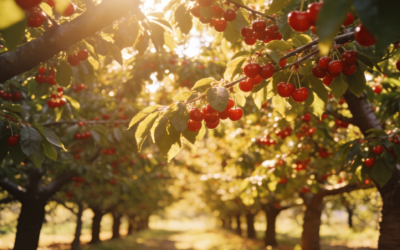
Fruit orchards are some of the most valuable farmland worldwide. They generated a gross production value of US$637.65 billion in 2025. Chlorantraniliprole protects this massive industry. It controls the destructive pests that threaten fruit quality and sellable yields.
High-Value Markets Demand Superior Pest Control
The global fruit market produced 952 million tonnes in 2023. Apples alone accounted for 97 million tonnes of that total. U.S. apple production reached 11.7 billion pounds in 2025-26. This marked a 1.3% increase from the previous year. It sat 3.6% above the five-year average. Washington state led with a record 8 billion pounds. This represented 57% of total U.S. production.
These volumes mean big financial stakes. The Fruit & Nut Farming market will reach $1,570.8 billion by 2029, growing at a CAGR of 9.0%. Pests damage even a small percentage of this production. Growers face major losses.
Critical Pest Challenges in Fruit Production
Codling moths, leafrollers, and fruit flies cause direct fruit damage. This makes crops unsellable. Chlorantraniliprole used in apple orchards stops these pests. It hits them before they tunnel into developing fruit. Broad-spectrum insecticides kill everything. This one targets lepidopteran larvae only. It preserves the helpful insects that support orchard health.
China dominates global fruit production with 269 million tonnes each year. It holds 51% of worldwide apple supply. India follows with 114 million tonnes. Brazil contributes 43 million tonnes. These major producers now adopt selective insecticides like chlorantraniliprole more often. They need to meet international export standards for residue limits and integrated pest management.
Performance Across Diverse Fruit Crops
Pear growers also benefit from chlorantraniliprole used in their pest management programs. Global pear production reached 26.1 million tonnes in 2025/26. China produced 20.5 million tonnes. U.S. pear production climbed to 565,000 tonnes. Washington state contributed 280,000 tonnes (45% of the U.S. total, up 46% from the previous year).
The compound protects other valuable fruit crops beyond apples and pears. Stone fruit orchards use it against oriental fruit moths and peach twig borers. Grape vineyards use it to control grape berry moths. Citrus growers depend on it for leafminer management.
Production challenges test pest control solutions. Virginia’s apple harvest dropped 28% due to spring freeze damage. Turkey’s pear production fell 30% from frost. Weather stress already threatens yields. Effective pest control becomes even more critical to save remaining fruit.
Chlorantraniliprole’s built-in activity and long-lasting control reduce how often you need to spray. This cuts labor costs. It also minimizes spray disruptions during critical growth periods. This efficiency matters for high-value crops worth billions in the global marketplace.

Agriculture – Vegetable Crops
Global vegetable production hit 1.2 billion metric tons in 2025. This output feeds billions of people. Chlorantraniliprole protects farms from pest damage that could ruin this food supply.
Protecting the World’s Most Critical Food Crops
The vegetable farming market reached USD 1,621.48 billion in 2025, up from $1,538.64 billion in 2024. It will grow to $1,866.75 billion by 2033 at a 3.4% CAGR. Fresh vegetables made up 293 million tonnes in 2023. Tomatoes alone brought 192 million tonnes. Moth pests attack these crops year-round.
Tomato growers need strong pest control. Global processing tomato production reached 40.3 million metric tons in 2025. This dropped 12% from 2024’s 45.8 million tonnes. California produces over 25% of the world’s processing tomatoes. Italian production climbed to 5.8 million tonnes. China’s output fell to 4.9 million tonnes from over 10 million the previous year.
Performance in High-Production Regions
U.S. processing tomato yields hit a record 55 tons per acre in 2025. This jumped 5 tons from the previous year. Total processing tomatoes reached 22.2 billion pounds. That’s 70% of all processing vegetables. Chlorantraniliprole stops tomato fruitworms and armyworms in these fields. These pests bore into fruit. They ruin what you can sell.
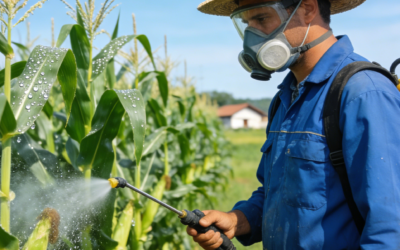
The compound works across many vegetable crops. Cabbage growers use it against diamondback moths and cabbageworms. Sweet corn production reached 3.7 billion pounds (12% of processing vegetables). Corn earworms eat kernels on contact. Chlorantraniliprole blocks them before they get through husks.
Supporting Market Growth and Quality Standards
The vegetable seed market shows future production trends. It will grow from USD 930.7 million in 2025 to $1,620.1 million by 2035 at a 5.7% CAGR. China leads seed demand growth at 7.7% CAGR. Tomatoes, cucumbers, peppers, and leafy greens push this growth. India follows at 7.1% CAGR.
Cucumber and gherkin growers deal with tough problems. These crops rank in the top five vegetables by production volume. Pickle worms and melon worms ruin fruit fast. Chlorantraniliprole gives you season-long control. Plus, it keeps residue levels low enough to meet processing rules.
U.S. potato production reached 412.1 million cwt in 2025, down 2% year-over-year. Colorado potato beetles and potato tuberworm attack this crop. Dry beans saw a 4% production drop despite 2,203 lbs/acre yields. Pests keep coming no matter what else goes right.
Chlorantraniliprole fits into pest management programs that use multiple methods. It spares helpful bugs that eat other pests. This keeps vegetable growing sustainable. You meet the rising demand for safe, quality produce.

Agriculture – Rice and Other Crops
Rice feeds more than half the global population. Chlorantraniliprole in paddy fields protects this vital food source from pest damage.
Global rice production reached 540.4 million tons (milled basis) in 2025/26 according to USDA forecasts. This dropped 0.2% from the 2024/25 record of 541.3 million tons. FAO estimates came in higher at 558.8 million tonnes, showing 1.6% growth year-over-year. Either way, the numbers are huge. Even small percentage losses to pests mean millions of tons of lost food.
Critical Protection for the World’s Staple Crop
Global rice consumption hit a record 541.9 million tons in 2025/26. Supplies reached 730.7 million tons, also a record. But ending stocks climbed to 188.8 million tons due to India’s stockpile increase of 2.5 million tons. These tight supply-demand numbers make pest control critical. You can’t afford to lose harvestable rice to stem borers and leaffolders.
India leads global production with 150 million metric tons in 2024/25. This represents 28% of world output. China follows with 145.28 million tons (27% share). Bangladesh contributes 36.6 million tons (7%). Indonesia saw strong growth in 2025 with 34.77 million tons produced from January to December. This jumped 13.54% from 2024’s 30.63 million tons. The first subround (January-April) alone surged 26.54%.
Managing High-Pressure Pest Environments
Rice stem borers and rice leaffolders cause the most economic damage in paddies worldwide. Chlorantraniliprole targets these pests with precision. It stops larvae before they tunnel into stems or roll leaves into shelters. Traditional insecticides kill natural predators. This selective approach saves spiders, lady beetles, and parasitic wasps. These beneficial insects keep other rice pests in check.
U.S. rice production reached 207.3 million cwt in 2025/26, down 7% from the prior year. Harvested area dropped 3.7% to 2.762 million acres. Yields fell 3% to 7,506 pounds per acre. Long-grain rice imports hit a record 49.7 million cwt to fill domestic demand gaps. Every pound saved from pest damage matters. Production faces these pressures daily.
India’s rice export success shows production strength. Exports jumped 37% in the first ten months of 2025. Full-year shipments reached an expected 22.5 million tons, up 25% and setting a new record. You can’t export pest-damaged grain. Quality standards demand clean product.
Supporting Future Production Needs
Global harvested rice area grew to 44.2 million hectares in 2025/26. This added 0.5 million hectares from prior forecasts. Experts say global rice output must increase 15-20% in coming decades to meet food demand. Population growth drives this need. Climate change adds uncertainty.
Chlorantraniliprole helps farmers get maximum yields from existing acreage. Its effects last longer than older chemistries. This means fewer spray applications per season. Labor costs drop. Equipment wear decreases. Water usage for mixing sprays goes down.
The compound also protects other grain crops beyond rice. Corn growers use it against fall armyworms and European corn borers. Sorghum producers use it for midge and headworm control. Wheat farmers target armyworms during heading stages. Cotton fields benefit from its effectiveness on bollworms and budworms.
Rice serves as humanity’s primary food staple. This makes pest protection essential. Chlorantraniliprole gives rice growers the control they need. It supports sustainable production practices. These practices save beneficial insects and reduce environmental impact.

Lepidopteran Pests (Moths and Butterflies)
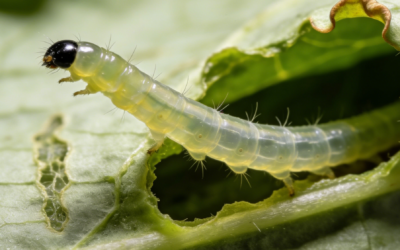
Chlorantraniliprole was built to fight one of agriculture’s most destructive pest groups. Caterpillars—the larvae of moths and butterflies—cause 18–26% of yearly global crop losses. That equals over US$470 billion in damages worldwide. The compound targets these pests with precision. Beneficial insects stay safe.
The Diamondback Moth: A Billion-Dollar Problem
Diamondback moth (Plutella xylostella) ranks as the world’s most costly lepidopteran pest. Control costs hit US$1.3–2.3 billion each year. Add just 5% in yield losses. Total damage reaches US$4–5 billion worldwide. This tiny moth attacks brassica crops—cabbage, broccoli, canola, and cauliflower—on every continent except Antarctica.
Chlorantraniliprole stops diamondback moth larvae before they eat through leaves. Standard insecticide programs require spraying every week in vegetable crops. Costs pile up fast. Canola growers spray once per season. They still lose plenty. This selective compound cuts spray frequency. Control stays strong. Pest management programs using chlorantraniliprole save hundreds of millions of dollars each year.
Fall Armyworm’s Devastating Reach
Fall armyworm (Spodoptera frugiperda) damages crops across multiple continents. U.S. farmers lose US$300 million in typical years. Bad outbreak seasons? Losses jump past US$500 million. Sub-Saharan Africa has it worse—up to US$13 billion per year in combined maize, rice, sorghum, and sugarcane damage.
Research looked at 888 yield loss entries from 71 studies. Maize, sorghum, and cotton took the biggest hits. U.S. tropical areas face another problem. Fall armyworm damage to kernels lets Aspergillus flavus infection take hold. This fungus contaminates grain with aflatoxin. That makes it worthless.
Chlorantraniliprole kills fall armyworm larvae at different crop stages. Sweet corn growers use it during whorl feeding. Cotton producers apply it during boll growth. Action thresholds change by crop and growth stage. The compound delivers reliable control based on standard EIL formulas.
Soybean Pest Complex
U.S. soybean production covers 33.6 million hectares. Lepidopteran pests create major headaches. Soybean looper causes widespread damage across southeastern states—Florida, Louisiana, Alabama, Georgia, and Texas. Second-generation populations hit late-planted soybeans hardest. Corn earworm (Helicoverpa zea)—also called soybean podworm—ties for top costs and yield losses.
Velvetbean caterpillar creates problems in the same southeastern region. You won’t find it north of the Arkansas-North Carolina line. Western states don’t see it either. Climate change is shifting these patterns. Warmer temperatures boost winter survival rates. Pests produce extra generations per season. Pressure builds every year.
Canadian Prairies deal with their own moth problems. Crop losses from bugs including moths hit about $208 million yearly. Chlorantraniliprole gives growers across these regions a reliable tool. Scout fields each week. Apply treatments where needed. Populations stay below damage levels. Rotate products by mode of action. This keeps the compound working long-term.

Chlorantraniliprole has changed pest management across different farm types. It protects fruit orchards and vegetable crops. It guards rice fields too. This insecticide targets pests where they cause the most damage. It works on lepidopteran pests—moths and butterflies that harm crop yields around the globe. Plus, it’s safe for helpful insects and the environment.
What makes chlorantraniliprole so valuable? Its flexibility. You can use it against codling moths in apples. It works on diamondback moths in vegetables like cabbage and broccoli. Rice farmers rely on it for stem borers. This ingredient shows strong results across many crop types.
Growers need sustainable pest control options. Knowing where to use chlorantraniliprole helps you make better choices. Want to improve your pest management plan? Talk to your local agricultural extension service. A certified crop advisor can help too. They’ll tell you if chlorantraniliprole fits your crop needs. Apply it at the right time. This can save your harvest from serious loss.

0 Comments