
Finding a reliable Chlorantraniliprole supplier in Southeast Asia doesn’t need to be complicated. You might be sourcing this diamide insecticide for rice paddies in Vietnam, vegetable farms in Thailand, or orchards across the region. Product quality matters. Regulatory compliance matters. Supply chain stability matters. These factors can make or break your pest control program and your bottom line.
The Southeast Asian agrochemical market is booming. But it’s also fragmented. Procurement managers and agricultural distributors face a real challenge: finding dependable agricultural pesticide suppliers. Some offer poor quality. Others provide unreliable service. We’ve done the legwork for you. After extensive market research and supplier vetting across the region, we identified the top 10 chlorantraniliprole distributors. They deliver on quality. They meet compliance standards. They support their customers.
This guide gives you clear supplier comparisons. You’ll get insider procurement tips. Plus, you’ll learn the decision framework to pick a partner who delivers during peak season. That’s exactly the moment your customers need effective lepidoptera control most.

Introduction to Chlorantraniliprole Market in Southeast Asia
Southeast Asia sits at the center of a major farm shift. The region’s chlorantraniliprole market is growing fast. Why? More people, more food needs, and farmers want better crop protection products. Countries like Indonesia, Malaysia, the Philippines, Thailand, and Vietnam rely on this diamide insecticide to protect their top crops—rice, soybeans, fruits, vegetables, and corn.
Look at the numbers. Asia-Pacific is the fastest-growing market for chlorantraniliprole. The global market will expand from USD 1.96-1.97 billion in 2025 to USD 3.09 billion by 2035. That’s a steady CAGR of 4.4-4.6%. Southeast Asia adds a lot to this growth. The broader APAC insecticide market reached USD 6.62 billion in 2025. It will hit USD 8.16 billion by 2030, growing at a 4.28% CAGR. Rynaxypyr insecticide (chlorantraniliprole’s commercial name) plays a key role. It protects the region’s farm foundation.
Why Southeast Asia Matters for Chlorantraniliprole Demand
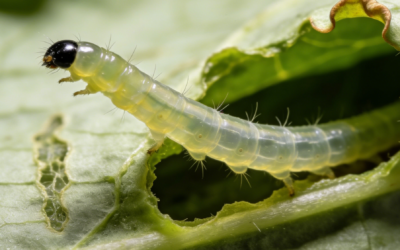
Rice farming alone creates huge demand. Thailand and Vietnam rank among the world’s top rice exporters. Farmers fight lepidoptera pests that destroy yields. Chlorantraniliprole gives them the control they need. It targets stem borers, leaf folders, and other harmful insects. Plus, it’s better for the environment.
insecticides dominate the market. They capture 82.3% share through 2026-2035. Agrochemical distributors in Asia prefer suspension concentrate (SC) and water dispersible granule (WG) formulations. These are easy to apply and store well. Innovation speeds up adoption too. Combination products like chlorantraniliprole + profenofos now account for 40% of new product adoption. They offer co-toxicity coefficients of 351-477. They also cut production costs by 50% compared to solo chlorantraniliprole formulations.
Research and development investments, plus widespread Integrated Pest Management (IPM) adoption, drive 45% of global growth. Major players like DuPont, Syngenta, and regional makers including Shanghai Shengnong Pesticide and Sinon Chemical shape 55% of the market. They keep supply chains strong across Southeast Asia’s varied farm regions.

The Top 7 Chlorantraniliprole Suppliers in Southeast Asia
Seven companies control the chlorantraniliprole supply market across Southeast Asia. These leaders manage production capacity, distribution networks, and technical support for Indonesia, Malaysia, the Philippines, Thailand, and Vietnam. Each brings different strengths—global R&D resources or regional manufacturing power. Know their capabilities to match your procurement needs with the right partner.
1. DuPont (Now Part of FMC Corporation) – The Global Market Leader
Market Position & Presence
DuPont controls around 70% of the global chlorantraniliprole market. This dominance runs deep in Asia-Pacific. The company developed rynaxypyr insecticide (chlorantraniliprole’s trade name) for commercial use first. Their technical know-how stands unmatched. FMC bought DuPont’s crop protection business in 2017. The merger created a giant with production facilities and distribution hubs across Southeast Asia.
product range & Technical Capabilities
DuPont sells chlorantraniliprole in several forms: Suspension Concentrate (SC), Water Dispersible Granules (WG), and combination products. Flagship products include Coragen® and Rynaxypyr® brands. Technical concentrations span from 18.5% SC to 35% WG. The company puts serious money into R&D—around USD 30 million each year in Asia-Pacific alone. This drives innovation in application methods and crop-specific formulas.
Southeast Asia Advantages
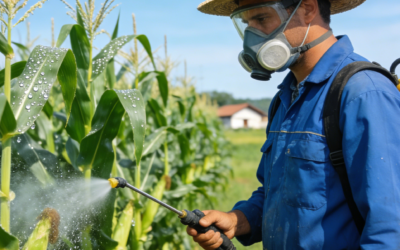
Production facilities in Thailand cut lead times to 7-10 days for most Southeast Asian buyers. DuPont runs technical support teams in Jakarta, Bangkok, and Ho Chi Minh City. They give agronomic advice, resistance management plans, and spray training. Their Integrated Pest Management (IPM) programs help farmers pick the best application timing and dosage.
Certifications & Compliance
-
ISO 9001:2015 Quality Management
-
GMP (Good Manufacturing Practice) certification
-
WHO Class II toxicity classification compliance
-
Full registration in all ASEAN member states
-
Export licenses for cross-border trade
Ideal Buyer Profile
Large-scale agricultural pesticide suppliers, government buyers, and established distributors gain most from DuPont partnership. Minimum orders start at 5 metric tons. Pricing runs 15-20% above regional manufacturers. But batch consistency and technical support justify the premium for quality-focused buyers.
Contact & Business Terms
Payment terms: 30-60 days net for established accounts; LC at sight for new customers. Regional headquarters: FMC Singapore Pte Ltd, with distribution partners across all Southeast Asian countries.
2. Syngenta – Strong Southeast Asian Distribution Network
Regional Footprint
Syngenta runs direct distribution in six Southeast Asian countries: Indonesia, Malaysia, the Philippines, Singapore, Thailand, and Vietnam. Their crop protection products include Durivo® (chlorantraniliprole + thiamethoxam mix) and standalone chlorantraniliprole formulas. The company works with local distributors, including Jiangsu Yangnong for some formulas.
Crop-Specific Solutions
Syngenta customizes chlorantraniliprole for Southeast Asia’s main crops:Their technical teams run field trials each year. Results show 85-95% success against target lepidoptera pests across different growing conditions.
Market Share & Growth
Syngenta holds around 12-15% of the Southeast Asian diamide insecticide market. Rice drives their strongest growth—projected CAGR of 8.7% through 2030 in Vietnam and Thailand alone. Combination products make up 40% of new product adoption in the region.
Pricing & MOQ Structure
Minimum order: 2 metric tons (easier to access than DuPont for mid-sized buyers). Bulk discounts kick in at 5MT, 10MT, and 20MT levels. Pricing sits 8-12% above Chinese manufacturers but includes full technical support packages.
Regulatory Strengths
Syngenta keeps full regulatory files for all ASEAN countries. Products carry GHS-compliant labeling. Each shipment comes with certificate of analysis (COA)—showing active ingredient purity at 95.5-96.5% for technical grade material.
3. Shanghai Shengnong Pesticide – Asia-Pacific Production Powerhouse
Manufacturing Capacity
Shanghai Shengnong ranks as the top Asia-Pacific producer of chlorantraniliprole outside Japan. Production capacity tops 3,000 metric tons each year. Modern synthesis facilities use continuous flow chemistry—boosting yield efficiency by 22% vs. traditional batch processes. This means competitive pricing without cutting quality.
Portfolio Expansion Strategy
The company targets rice segment applications hard. Research reports show their rice-focused formulas hit the highest CAGR projections in Southeast Asia—around 9.2% through 2033. They’ve built special formulas for tropical rice varieties common in Thailand, Vietnam, and the Philippines.
Their combination products show co-toxicity coefficients of 351-477—better pest control vs. individual active ingredients. Production costs run 50% lower than Pure chlorantraniliprole formulas.
Southeast Asia Market Penetration
Shanghai Shengnong supplies through regional distributors in Vietnam, Thailand, and Indonesia. They’ve set up a Singapore-based trading subsidiary for ASEAN market work. Current market share sits at 8-10% of Southeast Asian chlorantraniliprole imports, growing each year.
Competitive Advantages
Price: 25-30% below international brands for the same formulas. Lead times from Shanghai to Southeast Asian ports: 12-18 days. Flexible packaging—from 500g retail packs to 200L drums—fits both retail distributors and large farm operations.
Quality Assurance
ISO 9001 and ISO 14001 certified facilities. Third-party testing through SGS confirms specs match. They provide stability study data showing shelf life of 24 months under tropical storage (up to 35°C).
Buyer Considerations
Best for agrochemical distributors in Asia wanting competitive pricing with good quality. Minimum order: 1 metric ton. Payment terms: 30% deposit, balance against shipping documents. Technical support is limited vs. multinationals—product specs rather than agronomic consulting.
4. Sinon Chemical (China) – Competitive APAC Market Player
Company Background
Sinon Chemical competes in APAC insecticide markets. Chlorantraniliprole production started in 2016 through licensing deals. Current capacity hits 1,500 metric tons per year. They’ve built strong distribution ties across Taiwan, Southeast Asia, and India.
Product Portfolio
Sinon sells:
-
Pure chlorantraniliprole formulas (SC and WG)
-
Mix products combining chlorantraniliprole with abamectin, emamectin benzoate, or lambda-cyhalothrin
-
Custom formulation development for bulk buyers (minimum 10MT orders)
Regional Distribution Model
Unlike competitors with direct sales teams, Sinon works through exclusive distributors in each country. This cuts overhead but means you work through local middlemen.
Pricing Strategy
Sinon prices 15-20% below international brands and 8-12% below Shanghai Shengnong. Their sharp pricing hits cost-focused segments—smaller farm cooperatives and price-competitive retail chains. Volume discounts get big at 5MT+ orders.
Technical Specifications
Active ingredient purity: 94-95% for technical material. Formula stability meets FAO specs. Some buyers see a bit more batch-to-batch variation vs. top manufacturers—±1.5% vs. ±0.5% for premium brands.
Best Use Cases
Good for buyers putting cost over brand name. Works well for private-label products and regional brands. Skip this for export markets needing strict documentation or premium positioning.
MOQ & Terms
Minimum order: 500 kg (lowest among major suppliers). Payment: 50% advance, 50% before shipment. Lead time: 25-35 days from order confirmation. Packaging customization available for 2MT+ orders.
5. Jiangmeng Daguangming Agrochemical – Emerging Global Producer
Market Recognition
Jiangmeng Daguangming shows up in many market reports among top global chlorantraniliprole producers. The company became a big player after 2018 when Chinese rules let more manufacturers enter the diamide insecticide market.
Production Scale
Capacity each year: 1,200 metric tons. Manufacturing facility sits in Jiangsu Province—China’s agrochemical hub. The company benefits from close raw material suppliers and solid logistics infrastructure serving Southeast Asian export routes.
Product Focus
They focus less on branded products and more on OEM/ODM services for regional brands and systemic insecticide suppliers building their own product lines.
Southeast Asia Strategy
The company targets Vietnam and Thailand as main markets. Their strategy stresses:
-
Competitive technical material pricing for local formulators
-
Flexible batch sizes (starting at 500kg)
-
White-label formulation services
-
Technical documentation support for country registration applications
Quality & Compliance
ISO 9001:2015 certified. Technical material meets Chinese National Standard GB/T specs. Independent testing shows good batch consistency—active ingredient variation within ±0.8%.
Registration Status
Few ASEAN registrations done. Products enter through distributor registrations rather than manufacturer direct registrations. This can make documentation tougher for some government procurement tenders needing manufacturer certification.
Pricing Position
Technical grade: 20-25% below DuPont. Formulated products: 18-22% below Syngenta. Competitive with other Chinese manufacturers like Shanghai Shengnong.
Business Terms
MOQ: 500 kg for technical grade; 1 MT for formulated products. Payment: LC at sight or 40% advance + 60% against documents. Lead time: 20-30 days.
6. Shanghai Lvze – Regional APAC Supply Chain Player
Company Profile
Shanghai Lvze works as a regional producer supporting the Asia-Pacific chlorantraniliprole supply chain. Limited English info exists vs. larger competitors. The company runs mainly in domestic Chinese markets but serves more export customers through trading companies.
Manufacturing Capabilities
Production capacity: 800-1,000 metric tons each year. Facility focuses on cost-smart manufacturing using proven production technology. Quality consistency meets Chinese national standards but may not match strict specs some international buyers need.
Competitive Positioning
Pricing: Very competitive—often 5-8% below other Chinese manufacturers. This puts them in the most price-focused segments. Quality-to-price ratio fits markets putting affordability over premium.
Terms
MOQ: 500 kg (through traders). Payment needs full advance or LC. Expect longer lead times and plan inventory that way.
7. Sumitomo Chemical Co. Ltd. – Japanese APAC Competitor
Corporate Strength
Sumitomo Chemical ranks among Japan’s largest chemical companies with global revenues topping USD 20 billion. Their crop protection division has big presence across Asia-Pacific. Not the largest chlorantraniliprole producer, but their regional network and technical skills make them a valuable supplier choice.
APAC Market Role
Sumitomo backs insecticide market growth across Asia-Pacific through:
-
Joint ventures with local distributors in Indonesia and the Philippines
-
Technical work with agricultural research institutes
-
Government partnership programs supporting sustainable pest management
Product Portfolio
Their research stresses reducing non-target impacts—key in Vietnam where fall armyworm control programs need rapid knockdown with low non-target impact.
Quality Standards
Sumitomo keeps Japanese industrial quality standards—among the strictest worldwide. Active ingredient purity tops 96%. Batch-to-batch variation stays below ±0.3%—premium consistency.
Market Positioning
Pricing: Premium tier—usually 5-10% above DuPont/Syngenta. Target customers value quality assurance, technical support, and corporate reliability over lowest price.
Regulatory Compliance
Full registration in Thailand, Indonesia, Malaysia, and Vietnam. Products meet international maximum residue limits (MRLs) for export crops. Certificate of analysis includes:
-
Active ingredient purity
-
Impurity profiles
-
Physical property verification
-
Stability data
Procurement Details
MOQ: 3 metric tons. Payment terms: 45-60 days net for established accounts. Lead time: 15-25 days from regional distribution centers. Bulk discounts at 10MT levels.
Emergency Response Capabilities
Sumitomo joined Thailand’s emergency procurement programs for diamide insecticides during fall armyworm outbreaks. They showed rapid response—delivering within 10 days during crisis situations.
Comparative Summary
These seven suppliers range from global innovation leaders (DuPont, Syngenta) through regional powerhouses (Shanghai Shengnong, Sinon) to emerging players (Jiangmeng, Shanghai Lvze) and quality-focused specialists (Sumitomo). Your choice depends on balancing price needs, quality requirements, technical support needs, and minimum order capabilities.
High-volume buyers (20MT+) gain most from DuPont or Syngenta—negotiating volume discounts that close the price gap while getting full support. Mid-sized distributors (5-15MT) find best value with Shanghai Shengnong or Sinon—balancing competitive pricing with good quality and reasonable MOQs. Smaller operations or private-label developers can access Jiangmeng or Shanghai Lvze at lower entry points, though needing more self-managed quality checks.
Each supplier has clear strengths. DuPont leads in innovation and market coverage. Syngenta excels in crop-specific solutions and regional distribution. Shanghai Shengnong offers production scale at competitive prices. Sinon provides sharp pricing through distributor networks. Jiangmeng supports OEM/ODM strategies. Shanghai Lvze serves ultra-price-focused segments. Sumitomo delivers premium quality with Japanese precision.
Understanding these differences helps you match supplier capabilities to your procurement priorities—ensuring stable supply of effective lepidoptera control insecticide for your customer base across Southeast Asia’s diverse agricultural landscape.

Pick the right chlorantraniliprole supplier in Southeast Asia. This choice impacts your pest control work and profits. The seven suppliers in this guide are the region’s most reliable sources for diamide insecticide products. Each offers clear benefits: strong product quality, proper regulatory papers, solid technical support, and smooth shipping.
You might want competitive prices. Or you need strict quality certificates. Maybe full technical help matters most. This list gives you vetted options. You skip weeks of market research. You cut procurement risks. Match your needs with each supplier’s strengths. Think MOQ flexibility, delivery speed, or special formulas.
The right agricultural pesticide supplier partnership goes beyond price. You’re building a reliable supply chain. This supports your business growth across Southeast Asian markets.


0 Comments