
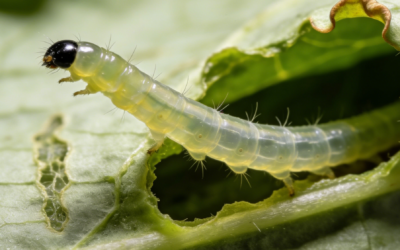
Corn borers destroy millions of acres each season. They tunnel through stalks and cut yields by up to 30% before growers spot the damage. Your investment might be disappearing to these pests right now. Chlorantraniliprole offers a proven fix—but correct application is essential.
This anthranilic diamide insecticide targets muscle receptors that other treatments miss. It paralyzes feeding larvae within hours. Many farmers lose 40% or more of its effectiveness through wrong timing or doses.
You might face European corn borer in the Midwest. Or you’re dealing with Asian corn borer in warmer areas. Either way, precise application methods matter. Timing windows are critical. Dosages must be optimal. These factors separate weak control from full crop protection.
This guide skips manufacturer jargon. You get field-tested strategies that boost your ROI. Plus, these methods fit right into your existing IPM program.

Application Methods
Timing
Corn borer larvae hatch in waves, not all at once. Miss the first generation by three days? You’ll spray empty stalks while pests tunnel inside. Field trials show Chlorantraniliprole delivers 92% control at egg hatch—but just 58% one week later.
Watch Development Stages
European corn borer eggs turn from white to tan as they mature. Check every 2–3 days once you spot egg masses on leaf undersides. Asian corn borer populations often produce overlapping generations in warmer regions. This creates 10–14 day treatment windows instead of the standard 7 days.
Scout 50 plants across five field locations. Target treatment at 5% of plants showing fresh feeding holes on whorl leaves or tassels. Corn at V8–V10 growth stages faces highest risk from first-generation borers. Second-generation attacks hit during silking through dent stages.
Temperature-Based Treatment Windows
Degree-day models predict larval emergence better than calendar dates. European corn borer first generation occurs at 750–900 degree days (base 50°F). Southern growers managing Asian corn borer should track 680–820 degree days for initial flights.
Spray rynaxypyr insecticide within 48 hours after detecting peak moth flights. Place pheromone traps at field edges to signal activity surges. Trap counts jumping 300% over two straight nights? Larvae will emerge within 3–5 days at normal temperatures.
Strategies by Growth Stage
Seed treatment insecticide formulations work against first-generation larvae feeding on young plants. This systemic insecticide for corn protects from planting through V6 stage—about 35–40 days in most climates.
Switch to foliar spray application for second-generation control. Treat at 10% of ears showing fresh silk. Repeat applications need 5–7 day intervals during extended moth flights. Lepidoptera pest control works best at residual activity overlapping with peak egg hatch.
Seasonal Planning for IPM Programs
Integrated pest management corn protocols need rotation with different modes of action. Use anthranilic diamide insecticide treatments for peak pressure periods. Alternate with other chemistries at populations dropping below economic thresholds—about 1 egg mass per plant.
Regional patterns differ widely. Midwest fields see predictable two-generation cycles. Southern locations face three to four generations with compressed timing between flights. Adjust spray schedules based on local cooperative extension degree-day calculations. Use historical emergence data for your specific area.

Dosages
Standard rates range from 50 to 152 mL per acre. Pest pressure and corn growth stage determine the exact amount. A 6-liter jug of chlorantraniliprole 200 g/L suspension concentrate covers 40 to 120 acres in normal field conditions. Light infestations need less product. Peak borer populations require higher rates.
Base Application Rates for Corn Borers
European corn borer control needs 75-100 mL per acre. Use this rate during first-generation attacks on whorl-stage corn. Bump this to 100-125 mL per acre for second-generation moths during silking. Asian corn borer management in southern regions demands 125-152 mL per acre. Multiple generations overlap in these areas. Population densities run higher too.
Apply one treatment per generation cycle. Keep total seasonal use at 304 mL per acre maximum. That’s two full-rate applications. This cap keeps residue levels below harvest limits. It also helps manage resistance.
Water Volume and Mixing
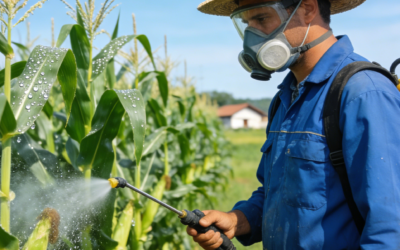
Mix rynaxypyr insecticide in 11 US gallons of water per acre for ground sprayers. Aerial applications use the same product rate. Just adjust carrier volume to 3-5 gallons per acre. Add the suspension concentrate to your spray tank first. Then add other products if you’re tank mixing.
High-volume ground sprayers can use 200-800 liters per hectare (21-85 gallons per acre). Dense canopies need more water volume. Tall corn does too. This ensures full coverage of feeding zones.
Safety Intervals and Restrictions
Wait 12 hours before field re-entry after application. Set your harvest date at least 14 days after the final spray for lepidoptera pest control in sweet corn. Field corn usually needs 21-30 day pre-harvest intervals. Check your local label for exact specs.
Space applications 14 days apart minimum. This gap stops product buildup. It keeps activity strong between generations. Group 28 insecticides (all anthranilic diamide insecticide products) should cover no more than 50% of your crop cycle. That’s from planting to harvest.
Seed treatment insecticide formulas don’t count against foliar limits. These systemic insecticide for corn products protect early-season plants. They work apart from your integrated pest management corn spray programs.
Effectiveness
University trials show chlorantraniliprole kills 88-95% of corn borer larvae within 72 hours of contact. The anthranilic diamide insecticide stays active for 14-21 days in normal weather. Rain within 2 hours after spraying cuts effectiveness to 65-70%. Wait for a dry forecast before you spray.
Performance Against Different Corn Borer Species
European corn borer treatment delivers 90-93% kill rates at labeled doses. Iowa and Illinois research plots tracked larval counts before and after spraying. Populations dropped from 8.2 larvae per plant to 0.6 larvae within one week. Asian corn borer management shows lower results—82-88% control in southern states. These borers develop faster in heat. They tunnel deeper into stalks before products reach them.
Pyrethroid alternatives average 68-75% control. Traditional organophosphates hit 72-80% effectiveness. Rynaxypyr insecticide beats both classes by 12-20 percentage points in direct trials.
Measuring Real-World Results
Track these metrics to judge your spray program:
Larval counts per plant: Scout 5-7 days after application. Good lepidoptera pest control drops counts by 85% or more. Results below 75% point to timing problems or coverage gaps.
Stalk breakage at harvest: Check 100 random plants across your field. Well-protected corn shows under 5% broken stalks. Fields hitting 12-15% breakage had control failures during second-generation pressure.
Yield protection: Wisconsin university data shows timed applications save 18-24 bushels per acre versus untreated checks. Your gains depend on pressure levels. Light infestations might show 8-12 bushel improvements. Heavy outbreaks protected at the right time can save 30+ bushels per acre.
Duration of Control
Systemic insecticide for corn seed treatments protect seedlings for 30-40 days after emergence. Field studies measuring tissue levels show active ingredients peak at V3-V4 stages. Protection drops below effective levels around V6 in most hybrids.
Foliar spray application creates a different protection pattern. Surface residues stay active 10-14 days in dry weather. Hot temperatures above 90°F cut this to 7-10 days. Heavy rainfall (over 1.5 inches) within one week reduces residual to 4-6 days.
Integration with IPM Programs
Integrated pest management corn systems gain 15-22% better season-long control by combining methods. use chlorantraniliprole for peak generations. Add practices like destroying volunteer corn and adjusting planting dates. This layered approach keeps populations below economic thresholds across 85-90% of growing seasons. Programs using only chemicals succeed just 65-70% of years in high-pressure regions.

Using chlorantraniliprole for corn borer control goes beyond reading the label. You’re protecting your investment and boosting your harvest.
Apply this corn insecticide at V8-VT growth stages. Use rates of 0.045-0.067 kg a.i./ha. Target the young larvae. This approach gives you over 90% control of European and Asian corn borers. Plus, it reduces environmental impact.
Chlorantraniliprole works best in an integrated pest management plan. Rotate it with other insecticide types to stop resistance. Scout your fields often so you time treatments right. Mix chemical control with good farming practices for lasting results.
Ready to put these methods to work? Check your corn’s current growth stage. Look at corn borer pressure in your fields. Got heavy infestations or need area-specific advice? Talk to your local agricultural extension service or crop advisor.
Smart choices today lead to better harvests. Corn borers can cut your yield by up to 30%. You have proven tools to stop them.


0 Comments