


Iminodiacetic Acid (IDA) CAS 142-73-4 98% High-purity Raw Material for Glyphosate Synthesis
| CAS Number | 142-73-4 |
| Chemical Name | Iminodiacetic acid |
| Molecular Weight | 133.10 g/mol |
| Molecular Formula | C₄H₇NO₄ |
| Synonyms | N-(Carboxymethyl)glycine; IDA; 2,2′-Iminodiacetic acid; Glycine, N-(carboxymethyl)- |
| EINECS | 205-555-4 |
| Appearance | White crystalline powder or granules |
| Solubility | Soluble in water; slightly soluble in ethanol; insoluble in ether, acetone, and benzene |
| Storage conditions | Store in a dry, well-ventilated area; keep tightly sealed to prevent moisture absorption; avoid contact with strong oxidizers and acids |
Parameters:
| CAS Number | 142-73-4 |
| Chemical Name | Iminodiacetic acid |
| Molecular Weight | 133.10 g/mol |
| Molecular Formula | C₄H₇NO₄ |
| Synonyms | N-(Carboxymethyl)glycine; IDA; 2,2'-Iminodiacetic acid; Glycine, N-(carboxymethyl)- |
| EINECS | 205-555-4 |
| Appearance | White crystalline powder or granules |
| Solubility | Soluble in water; slightly soluble in ethanol; insoluble in ether, acetone, and benzene |
| Storage conditions | Store in a dry, well-ventilated area; keep tightly sealed to prevent moisture absorption; avoid contact with strong oxidizers and acids |
| Melting point | Decomposes above 243°C |
| Boiling point | Not applicable (decomposes before reaching boiling point) |
| Density | Approximately 1.56 g/cm³ at 20°C |
| Vapor pressure | Negligible at room temperature (≤0.01 mmHg at 25°C) |
| Refractive index | Not applicable (solid state) |
| Flash point | Not applicable (non-flammable solid) |
| Water solubility | ~2.4 g/100 mL at 25°C |
| BRN | 1743768 |
| LogP | Approximately -2.7 (estimated, due to high polarity from carboxyl groups) |
Application:
Core raw material for glyphosate synthesis, supporting herbicide production:
One of the mainstream processes for the industrial production of glyphosate is the "IDA method," and IDA is the starting material for this process:
Step 1: IDA reacts with formaldehyde and phosphorous acid under acidic conditions to generate PMIDA (N-(phosphonomethyl)iminodiacetic acid), the direct precursor of glyphosate.
Step 2: PMIDA is converted to glyphosate via oxidation reactions (e.g., oxidation with hydrogen peroxide).
Indirectly ensuring the application effect of herbicides:
As a non-selective broad-spectrum herbicide, glyphosate is widely used in:
Weed control in fields of genetically modified glyphosate-resistant crops (such as soybeans, corn, and cotton);
Weed eradication in scenarios like non-cultivated land (e.g., along railways and highways), orchards, and tea gardens (by inhibiting the EPSPS enzyme in plants, blocking amino acid synthesis, and causing weeds to wither).
Safety and Storage:
Related products
-
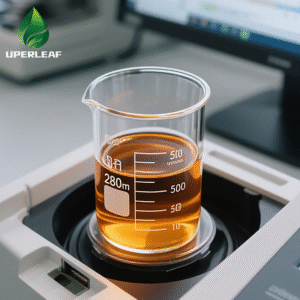
41% Glyphosate IPA SL Pesticides Formulation
-
75.7% Glyphosate Ammonium Salt WSG Formulation
-
30% Glyphosate Ammonium Salt WSG Pesticides Formulation
-
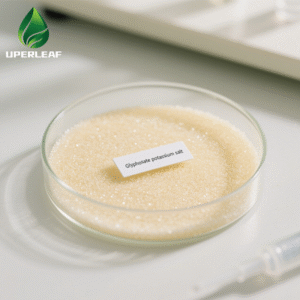
Highly Effective Conductive Glyphosate Potassium Herbicide For Orchards and Woodlands Potassium Supplementation and Enhanced Efficacy Long-lasting Effect
Reviews
There are no reviews yet.