


Glyphosphate-Trimesium Herbicide Export Non-crop Herbicide Perennial Weed Control Glyphosate-trimesium Manufacturer
| CAS Number | 81591-81-3 |
| Chemical Name | N-(Phosphonomethyl)glycine trimethylsulfonium salt |
| Molecular Weight | 245.23 g/mol |
| Molecular Formula | C₆H₁₆NO₅PS |
| Synonyms | Glyphosate trimesium salt; Trimethylsulfonium N-(phosphonomethyl)glycinate |
| EINECS | Not available |
| Appearance | Off-white viscous solid to low-melting solid, hygroscopic |
| Solubility | Slightly soluble in water and methanol; more soluble in polar solvents |
| Storage Conditions | Store in a cool, well-ventilated area; keep away from oxidizing agents |
Parameters of glyphosphate-trimesium
| CAS Number | 81591-81-3 |
| Chemical Name | N-(Phosphonomethyl)glycine trimethylsulfonium salt |
| Molecular Weight | 245.23 g/mol |
| Molecular Formula | C₆H₁₆NO₅PS |
| Synonyms | Glyphosate trimesium salt; Trimethylsulfonium N-(phosphonomethyl)glycinate |
| EINECS | Not available |
| Appearance | Off-white viscous solid to low-melting solid, hygroscopic |
| Solubility | Slightly soluble in water and methanol; more soluble in polar solvents |
| Storage Conditions | Store in a cool, well-ventilated area; keep away from oxidizing agents |
| Melting Point | Low melting point (specific value not specified) |
| Boiling Point | 110°C at 760 mmHg |
| Density | 1.27 g/cm³ |
| Vapor Pressure | Not available |
| Water Solubility | 4300 g/L |
| LogP (octanol-water) | Not available |
Chemical Properties of glyphosphate-trimesium
Appearance and Form: Off-white viscous solid to low-melting solid, hygroscopic.
Physical Properties: Boiling point 110°C (760 mmHg), density 1.27 g/cm³, slightly soluble in water (4300 g/L) and methanol, with high solubility in polar solvents.
Structural Features: The phosphonic acid group of glyphosate combines with the trimethylsulfonium cation ((CH₃)₃S⁺) to form an ionic compound, significantly improving its dispersibility in water.
Synthesis and Preparation
This product is prepared by the reaction of glyphosate with trimethylsulfonium iodide in the presence of sodium hydroxide and hydrochloric acid. The reaction time is approximately 2.34 hours using water as the solvent, with a yield of 99%. This synthetic route is efficient and requires mild conditions, making it suitable for industrial production.
Biological Activity and Applications
Mechanism of Action: As a non-selective herbicide, it inhibits 5-enolpyruvylshikimate-3-phosphate synthase (EPSP synthase) in plants, blocking the biosynthesis of aromatic amino acids (such as phenylalanine and tryptophan), leading to plant death.
Herbicide Performance:
High Solubility: Its water solubility (4300 g/L) is much higher than that of glyphosate isopropylamine salt (500 g/L) and ammonium salt (300 g/L), making it more readily absorbed by plants.
Adjuvant Synergistic Effect: When combined with adjuvants such as alkyl polyglycosides (APGs), it significantly enhances foliar penetration and translocation efficiency, making it particularly suitable for glyphosate-tolerant genetically modified crops.
Applications: Widely used for weed control in agriculture, forestry, and non-arable land, with significant effectiveness against perennial weeds (such as Cyperus rotundus and Bermuda grass).
Toxicology and Environmental Impacts
Toxicity Data:
The oral LD₅₀ for rats is 748 mg/kg, and for mice is 1383 mg/kg, both of which are considered low toxicity.
Toxic to aquatic organisms, with a 48-hour LC₅₀ for rainbow trout of 4800 mg/L. Avoid direct discharge into water bodies.
Environmental Behavior:
It has strong soil binding and low mobility. Its degradation is primarily through microbial action, resulting in a short half-life (<10 hours).
The metabolite is aminomethylphosphonic acid (AMPA), and its ecological risk requires further assessment.
Related products
-
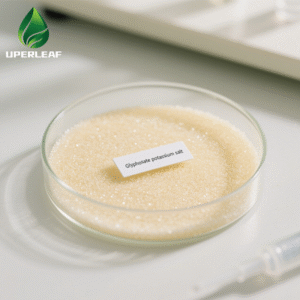
Highly Effective Conductive Glyphosate Potassium Herbicide For Orchards and Woodlands Potassium Supplementation and Enhanced Efficacy Long-lasting Effect
-
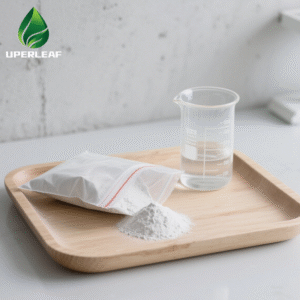
50% Glyphosate WPowder (WP) Herbicide Weeding
-
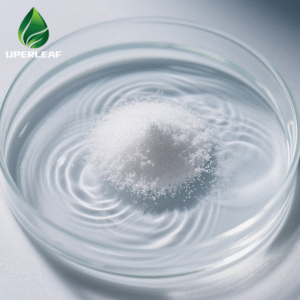
30% Glyphosate Ammonium Salt WSG Pesticides Formulation
-
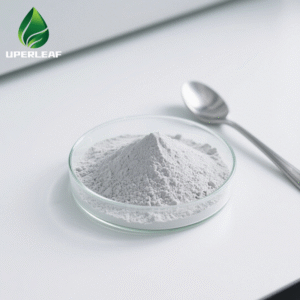
Herbicide Pesticides Glyphosate Ammonium Salt Formulation
Reviews
There are no reviews yet.