Herbicide Pesticides Glyphosate Ammonium Salt Formulation

CAS Number 114370-14-8
Chemical Name Glyphosate Ammonium Salt
Molecular Weight 220.16
Molecular Formula C3H17N4O5P
Synonyms Glyphosate ammonium salt; Ammonium glyphosate
EINECS 601-309-9
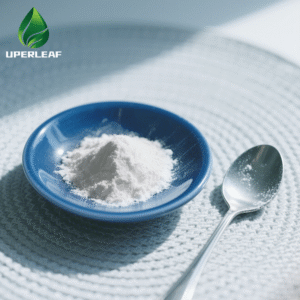
Appearance White to light gray solid powder
Solubility Soluble in water (about 120 g/L at 20°C), insoluble in organic solvents such as ethanol and acetone
Storage conditions Store in a dry, cool, and well-ventilated area; protect from moisture and direct light
Categories: ,

Parameters of ammonium glyphosate:


CAS Number 114370-14-8
Chemical Name Glyphosate Ammonium Salt
Molecular Weight 220.16
Molecular Formula C3H17N4O5P
Synonyms Glyphosate ammonium salt; Ammonium glyphosate
EINECS 601-309-9
Appearance White to light gray solid powder
Solubility Soluble in water (about 120 g/L at 20°C), insoluble in organic solvents such as ethanol and acetone
Storage conditions Store in a dry, cool, and well-ventilated area; protect from moisture and direct light
Melting point Decomposes above 200°C (no distinct melting point before decomposition)
Density Approximately 1.7 g/cm³ (solid)
Vapor pressure < 0.1 mPa at 25°C (very low volatility)
Water solubility Approximately 120 g/L at 20°C
LogP Approximately -3.0 (highly hydrophilic)


Mechanism of Action and Applications


1. Herbicidal mechanism:

Inhibits 5-enolpyruvylshikimate-3-phosphate synthase (EPSPS) in plants, blocking the synthesis of aromatic amino acids (phenylalanine, tyrosine, tryptophan) and resulting in plant death.


2. Systemic conductivity:

Can be absorbed through leaves and stems and translocated to the entire plant, effective against both annual and perennial weeds.


3.Applicable scenarios:


◦ Agriculture: Directed weeding in orchards (citrus, apple, etc.), tea gardens, corn/soybean fields, etc. (Pesticide Digital Supervision and Management Platform).
◦ Non-cultivated land: Broad-spectrum total weed control in areas such as roadsides, railway sides, and forest fire prevention paths (Pesticide Digital Supervision and Management Platform).
◦ Formulation advantages: Often mixed with fluoroglycofen-ethyl, 2,4-D, etc., to expand the weed control spectrum.

Safety and Environmental Impact


1. Toxicity:


◦ Acute toxicity: The acute oral LD₅₀ in rats is > 5000 mg/kg, classified as low toxicity; causes mild irritation to skin and eyes.
◦ Chronic toxicity: No teratogenic, carcinogenic, or mutagenic effects, with low risk of long-term exposure to mammals.


2. Environmental behavior:

◦ Soil degradation: Easily decomposed by microorganisms, with a half-life of 1-12 weeks (affected by soil pH and temperature).
◦ Ecological impact: Low toxicity to soil microorganisms and most aquatic organisms, but direct contamination of water bodies should be avoided.

Formulations and Usage


1. Common formulations:


◦ Aqueous solutions: Contents such as 20%, 30%, 41%, e.g., 41% glyphosate ammonium salt aqueous solution (Pesticide Digital Supervision and Management Platform).
◦ Soluble granules: High-concentration formulations (e.g., 77.7%, 88.8%), convenient for transportation and storage.

2. Usage precautions:


◦ Directed spraying: Avoid drift of the liquid to sensitive crops (e.g., citrus, grapes); it is recommended to install a protective cover (Pesticide Digital Supervision and Management Platform).
◦ Soil treatment: Becomes inactive after binding with metal ions in soil, so it is only used for foliar treatment (Pesticide Digital Supervision and Management Platform).
◦ Pre-harvest interval: 14 days for most crop fields, with a maximum of 2 applications per season.

Reviews

There are no reviews yet.

Be the first to review “Herbicide Pesticides Glyphosate Ammonium Salt Formulation”

Your email address will not be published. Required fields are marked *