


High-purity Glyphosate Raw Material for Glyphosate Synthesis PMIDA 5994-61-6 Factory Direct
| CAS Number | 5994-61-6 |
| Chemical Name | N-(Phosphonomethyl)iminodiacetic acid (PMIDA) |
| Molecular Weight | 227.109 g/mol |
| Molecular Formula | C5H10NO7P |
| Synonyms | Glyphosate intermediate, PMIDA, N-(Phosphonomethyl)iminodiacetic acid |
| EINECS | 227-824-5 |
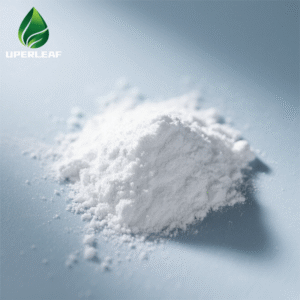
| Appearance | White crystalline powder |
| Solubility | Aqueous Base (Slightly), Methanol (Slightly) |
| Storage Conditions | RT, protect from light |
Parameters:
| CAS Number | 5994-61-6 |
| Chemical Name | N-(Phosphonomethyl)iminodiacetic acid (PMIDA) |
| Molecular Weight | 227.109 g/mol |
| Molecular Formula | C5H10NO7P |
| Synonyms | Glyphosate intermediate, PMIDA, N-(Phosphonomethyl)iminodiacetic acid |
| EINECS | 227-824-5 |
| Appearance | White crystalline powder |
| Solubility | Aqueous Base (Slightly), Methanol (Slightly) |
| Storage Conditions | RT, protect from light |
| Melting Point | 210-215°C (decomposes) |
| Boiling Point | 585.9±60.0 °C(Predicted) |
| Density | 1.792±0.06 g/cm3(Predicted) |
| Vapor Pressure | 0Pa at 45℃ |
| Water Solubility | Highly soluble (see Solubility) |
| BRN | 1795744 |
| LogP (Octanol-Water Partition Coefficient) | -3.2 (extremely hydrophilic) |
Agricultural pesticide field:
Core synthetic raw material for glyphosate (accounting for over 90%)
PMIDA is the direct precursor of glyphosate, the world's most widely used broad-spectrum herbicide. PMIDA can be converted into glyphosate through oxidation reactions (e.g., oxidation with hydrogen peroxide or oxygen under the action of a catalyst), and this process is a key step in the industrial production of glyphosate.
Main Production Methods:
IDA Method (Iminodiacetic Acid Method):
Glycine Method:
Reviews
There are no reviews yet.