


50% Glyphosate WPowder (WP) Herbicide Weeding
| CAS Number | 1071-83-6 |
| Chemical Name | 50% Glyphosate WP |
| Molecular Weight | 169.07 g/mol |
| Molecular Formula | C₃H₈NO₅P |
| Synonyms | N-(Phosphonomethyl)glycine; Glyphosate; Phosphonomethylglycine |
| EINECS | 214-001-4 |
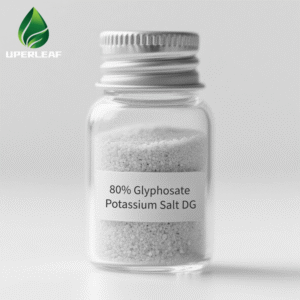
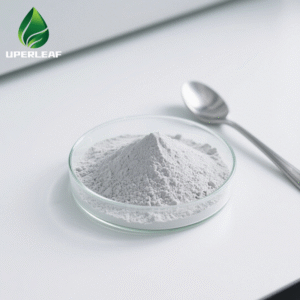
| Appearance | White crystalline powder (≥95% purity) |
| Solubility | Slightly soluble in water; soluble in alkaline solutions; insoluble in most organic solvents |
| Storage conditions | Store in a tightly closed container, in a cool, dry place away from direct sunlight |
parameters of 50% Glyphosate WP:
| CAS Number | 1071-83-6 |
| Chemical Name | 50% Glyphosate WP |
| Molecular Weight | 169.07 g/mol |
| Molecular Formula | C₃H₈NO₅P |
| Synonyms | N-(Phosphonomethyl)glycine; Glyphosate; Phosphonomethylglycine |
| EINECS | 214-001-4 |
| Appearance | White crystalline powder (≥95% purity) |
| Solubility | Slightly soluble in water; soluble in alkaline solutions; insoluble in most organic solvents |
| Storage conditions | Store in a tightly closed container, in a cool, dry place away from direct sunlight |
| Melting point | 184-186 °C (decomposes) |
| Boiling point | Decomposes before boiling |
| Density | ~1.74 g/cm³ (20 °C) |
| Vapor pressure | Very low, <0.1 mPa at 25 °C |
| Water solubility | ~1.2 g/L at 25 °C |
| BRN | 1718448 |
| LogP | ~-3.0 |
Purity Standards and Quality Requirements
National Standards
1.According to GB/T 12686-2017 Glyphosate Technical Material, the purity of glyphosate technical material shall be ≥95.0%, with strict limits on impurities: formaldehyde ≤1.2g/kg, nitrosoglyphosate ≤1.0mg/kg, and water-insoluble substances ≤0.2g/kg.
2.The purity of industrial-grade glyphosate acid is usually 95%, while reagent-grade products can reach higher purity (e.g., 98%). For example, a 95% glyphosate acid product provided by a supplier clearly specifies that water-insoluble substances ≤0.2%, which is suitable for agricultural weeding.
Production Processes and Technologies
Main Synthesis Methods
1.IDA process (Iminodiacetic acid process): Using iminodiacetic acid (IDA) as raw material, glyphosate acid is produced through catalytic oxidation reaction. This process has few by-products and high yield, making it the current mainstream route.
2.Glycine process: Using glycine, formaldehyde, and phosphorous acid as raw materials, glyphosate acid is prepared through condensation and hydrolysis. Some enterprises have shortened the reaction time and increased output by optimizing the hydrolysis process (e.g., thin-film heating technology).
Impurity Control Technologies
1.Patented technologies selectively remove impurities such as formaldehyde through oxidation with carbon catalysts (containing metals like Mn and Fe) and oxygen, ensuring product stability.
2.The reaction mother liquor is recycled 5-6 times to reduce energy consumption and improve the yield of glyphosate acid.
Application Fields and Market Demand
Agricultural and Industrial Weeding
95% glyphosate acid is the core component of broad-spectrum non-selective herbicides, widely used in orchards, tea gardens, rubber plantations, and non-cultivated land for weeding. It can control annual and perennial weeds such as Cyperus rotundus and Cynodon dactylon. Its mechanism of action is to inhibit the EPSPS enzyme in plants, blocking the synthesis of aromatic amino acids.
Formulation Processing
Glyphosate acid needs to be converted into water-soluble salts (such as isopropylamine salt and ammonium salt) for effective use. For example, 41% glyphosate isopropylamine aqueous solution is one of the global mainstream formulations.
Reviews
There are no reviews yet.