
Glyphosate
Glyphosate is a broad‑spectrum, systemic, non‑selective herbicide widely used worldwide. It inhibits the EPSPS enzyme in plants, blocking the synthesis of aromatic amino acids and thus killing annual and perennial weeds. It is absorbed through leaves and translocated throughout the plant, including roots. It is widely applied in farmland, orchards, forestland and other scenarios, and is often used with glyphosate‑resistant transgenic crops. It is low in toxicity to humans and animals, and can be rapidly inactivated and degraded in soil.
1. Basic Information
Chemical Name: N-(phosphonomethyl)glycine, Molecular Formula , CAS No. 1071-83-6.
Pure Product: White non‑volatile solid, low water solubility. Usually formulated as water solutions of isopropylamine salt, sodium salt, potassium salt, etc.
Toxicity: Low toxicity. Acute oral in rats. Relatively safe for mammals (no target enzyme in humans).
2. Mode of Action
Inhibits 5‑enolpyruvylshikimate‑3‑phosphate synthase (EPSPS) in plants, blocking biosynthesis of three essential aromatic amino acids: phenylalanine, tyrosine, and tryptophan.
Interferes with protein and secondary metabolite production, causing plants to die gradually from leaves to roots.
Strong systemic translocation: absorbed by foliage, translocated throughout the plant and roots via phloem. Highly effective against perennial deep‑rooted weeds such as reed, cogongrass, and bermudagrass.
Soil behavior: rapidly inactivated by binding to iron and aluminum ions in soil; easily degraded by microorganisms into , phosphate, etc. No soil residual, safe for succeeding crops.
3. Key Features
Broad‑spectrum & non‑selective: Controls over 40 families of weeds, including annual/perennial, monocot/dicot, herbaceous and woody weeds.
Systemic & thorough: kills underground roots, high eradication rate.
Low toxicity & biodegradable: relatively safe for humans, animals and environment.
Slow action: symptoms appear in 7–15 days, duration 20–30 days.
Environment‑sensitive: better efficacy under warm and sunny conditions; low temperature, drought, and mature plants reduce activity; re‑spray if rain occurs within 8 hours after application.
Showing 1–9 of 17 results
-
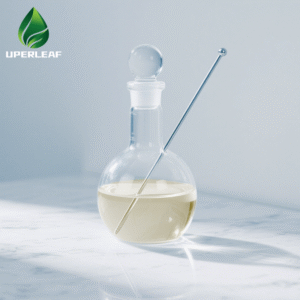
30% Glyphosate Ammonium Salt AS Herbicide Formulation
-
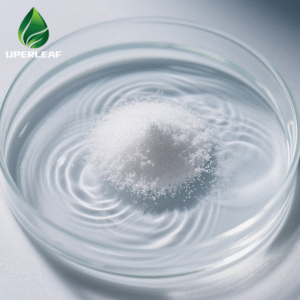
30% Glyphosate Ammonium Salt WSG Pesticides Formulation
-
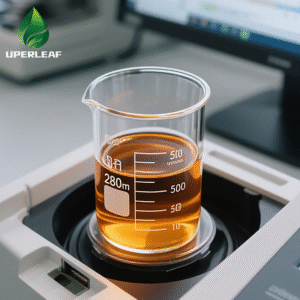
41% Glyphosate IPA SL Pesticides Formulation
-
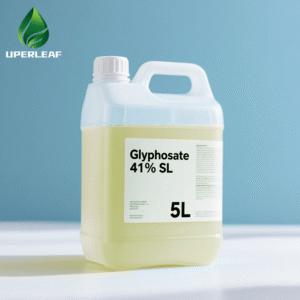
41% Glyphosate SL
-
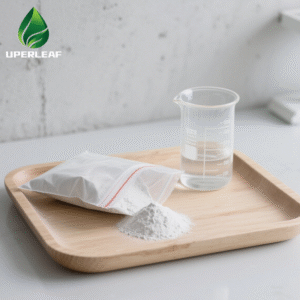
50% Glyphosate WPowder (WP) Herbicide Weeding
-
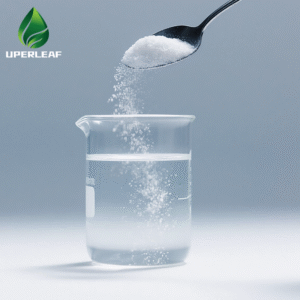
75.7% Glyphosate Ammonium Salt WSG Formulation
-
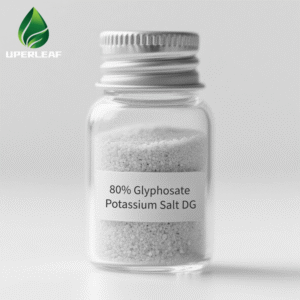
80% Glyphosate Potassium Salt WDG Herbicide
-
95% Glyphosate Acid TC Herbicide Agricultural Chemicals
-
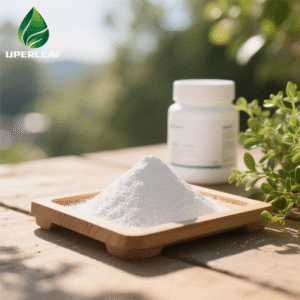
Glyphosate Dimethylamine Salt, Herbicide Manufacturer, Agricultural Chemicals Supplier, Weed Control solution, China Glyphosate Exporter