
glyphosate and paraquat are two of the most recognized names in modern weed control. Both are non-selective, broad-spectrum herbicides, but their similarities largely end there. From how they kill weeds to how they are regulated and how they affect human health and the environment, the two chemicals occupy fundamentally different categories of risk and utility.
Understanding the contrasts between glyphosate and paraquat has become essential for anyone involved in agricultural production, agronomy, land stewardship, or regulatory compliance. This article provides a scientifically grounded, evidence-based comparison of glyphosate and paraquat that examines their modes of action, primary uses, toxicity profiles, environmental behavior, resistance challenges, and current regulatory standing.
Chemical Families and Modes of Action
Glyphosate: The Systemic Enzyme Inhibitor
Glyphosate is a phosphonomethyl-amino acid derivative that acts systemically. After foliar absorption, it is translocated throughout the plant—via both xylem and phloem—to metabolic sinks such as roots, rhizomes, and meristems. Its sole molecular target is the enzyme 5-enolpyruvyl-shikimate-3-phosphate synthase (EPSPS), which catalyzes a critical step in the shikimate pathway. This pathway is responsible for the biosynthesis of the aromatic amino acids tryptophan, tyrosine, and phenylalanine—compounds essential for protein synthesis and secondary metabolism in plants. Because the shikimate pathway is absent in mammals, glyphosate has an inherently low acute toxicity to humans and other vertebrates.
The systemic nature of glyphosate explains both its effectiveness and its relatively slow symptom expression. Treated plants typically require 7 to 14 days to show complete necrosis, a delay that allows thorough translocation to underground storage organs. This makes glyphosate exceptionally effective against perennial weeds, which would otherwise regenerate from roots or rhizomes after a contact-only treatment.
Paraquat: The Contact Membrane Disruptor
Paraquat dichloride belongs to the bipyridylium chemical family and is classified as a photosystem I (PS I) electron diverter—WSSA Resistance Group 22. Its mechanism is fundamentally different from glyphosate’s. Upon foliar application, paraquat accepts electrons from ferredoxin in the photosynthetic electron transport chain within PS I, diverting them to molecular oxygen rather than through the normal NADPH-generating pathway. This generates highly destructive reactive oxygen species (ROS)—superoxide radicals, hydrogen peroxide, and hydroxyl radicals—which oxidize membrane lipids, chlorophyll, and other cellular components.
Because this process depends on active photosynthesis, paraquat acts most rapidly under bright sunlight and warm temperatures. Visible wilting can begin within hours of application, and complete foliar necrosis typically occurs within one to three days. However, paraquat has minimal translocation within the plant—movement is limited to the apoplast and xylem—meaning it does not reach roots or rhizomes. Perennial weeds may therefore recover from buried meristems after contact desiccation of aboveground tissue. This fundamental difference makes paraquat a tool for rapid, non-systemic knockdown rather than for perennial weed eradication.
Agronomic Uses and Applications
Glyphosate: The Backbone of Conservation Agriculture
Glyphosate’s systemic action, broad-spectrum efficacy, low cost, and compatibility with genetically modified (glyphosate-tolerant) crops have made it the most widely used Herbicide in the world. In the United States alone, it is applied on approximately 298 million acres of agricultural cropland every year.
Its primary agricultural uses include:
-
Pre-plant burndown in no-till and conservation-tillage systems. Glyphosate replaces primary tillage by eliminating existing vegetation before planting, reducing soil erosion, fossil fuel use, and soil compaction.
-
In-crop weed control in glyphosate-tolerant (Roundup Ready) crops.
-
Cover crop termination ahead of cash crop planting, particularly in no-till systems.
-
Pre-harvest applications in certain crops to desiccate weeds and facilitate harvest operations.
-
Non-crop vegetation management along rights-of-way, around farm infrastructure, and in residential settings.
Paraquat: Specialized Burndown, Desiccation, and Resistance-Breaking Tool
Paraquat occupies a narrower but strategically important niche in modern weed management. Its primary uses reflect its contact-only activity, speed of action, and effectiveness against glyphosate-resistant weed populations:
-
Pre-plant burndown in no-till and minimum-till systems, often used as an alternative or complement to glyphosate where resistant weeds are present or where faster desiccation is desired.
-
Directed post-emergence sprays in perennial crops (apples, cherries, grapes, pears) where contact with mature woody bark is safe.
-
Pre-harvest desiccation of potato vines, soybeans, dry beans, sunflowers, cotton, and sugarcane to synchronize maturity and facilitate mechanical harvest.
-
Vegetation management on infrastructure, fence lines, and other non-crop areas, particularly where rapid defoliation is desired.
-
Combating glyphosate-resistant weed populations, where paraquat’s distinct mode of action provides effective control without selecting for the same resistance mechanisms.
Human Health and Toxicology
The toxicity profiles of glyphosate and paraquat are perhaps the most important distinction between them—and the one with the greatest regulatory and practical implications for users.
Glyphosate: Low Acute Toxicity with Ongoing Carcinogenicity Debate
Glyphosate exhibits low acute mammalian toxicity, with an oral LD₅₀ greater than 5,000 mg/kg in rats. It is not acutely hazardous through dermal or inhalation routes under typical use conditions. The US EPA has consistently classified glyphosate as “not likely to be carcinogenic to humans,” a position reaffirmed in 2017 and 2020 after comprehensive re-evaluation. The EPA’s cancer assessment was based on a dataset that included 15 acceptable animal carcinogenicity studies and extensive epidemiological data.
However, a high-profile and continuing scientific controversy was ignited in 2015 when the International Agency for Research on Cancer (IARC)—a specialized branch of the World Health Organization—classified glyphosate as “probably carcinogenic to humans” (Group 2A), citing limited evidence in humans for non-Hodgkin lymphoma and sufficient evidence in experimental animals. It is essential to understand that IARC evaluates hazard (the potential for a substance to cause cancer under some circumstances) rather than risk (the probability that cancer will occur at actual exposure levels). Regulatory agencies including Health Canada, the European Food Safety Authority, the Australian Pesticides and Veterinary Medicines Authority, and the EPA have all disagreed with IARC’s classification, maintaining that glyphosate does not pose a carcinogenic risk when used according to label directions.
The legal aftermath of the IARC classification has been unprecedented. Bayer, which acquired Monsanto in 2018, has faced tens of thousands of lawsuits alleging that Roundup exposure caused non-Hodgkin lymphoma. As of early 2026, Bayer had resolved almost 200,000 claims and reached a $7.25 billion settlement to address current and future litigation. The US Supreme Court announced in January 2026 that it would hear an appeal related to glyphosate litigation, signaling that this legal chapter remains unsettled.
Paraquat: Extreme Acute Toxicity and Neurodegenerative Disease Concerns
Paraquat’s acute toxicity is dramatically more severe than glyphosate’s. The oral LD₅₀ for paraquat is 112–150 mg/kg in rats, placing it in the “very toxic” to “extremely toxic” classification. A single sip—roughly a teaspoon—can be fatal to an adult human, and there is no known antidote. Since 2000, at least 17 deaths in the United States have resulted from accidental paraquat ingestion, many involving the illegal transfer of the product into beverage containers.
Unlike glyphosate, paraquat’s acute hazard is not limited to ingestion. Concentrated paraquat is corrosive to skin and eyes, and severe injuries and deaths have occurred through dermal and ocular exposure during mixing and application.
Beyond acute toxicity, a substantial and growing body of epidemiological and experimental evidence links chronic paraquat exposure to an elevated risk of Parkinson’s disease. Studies have demonstrated that paraquat can induce lesions in the substantia nigra pars compacta—the brain region characteristically affected in Parkinson’s disease—in rodent models.
The EPA has not identified a definitive causal link between labeled uses of paraquat and Parkinson’s disease, but the concern has prompted a succession of regulatory actions. In January 2026, EPA Administrator Lee Zeldin announced that the agency would “freshly reassess the safety” of paraquat and require manufacturers to demonstrate that current uses are safe under real-world conditions. This review remains ongoing as of mid-2026. Paraquat is currently banned in more than 70 countries, including the member states of the European Union and China, but it remains legal for use in the United States.
Environmental Fate and Behavior
The environmental persistence and mobility of glyphosate and paraquat diverge markedly, with important implications for soil and water quality management.
Glyphosate: Short-Lived but Moderately Mobile
Under aerobic conditions, the half-life of glyphosate in soil ranges from approximately 1.8 to 5.4 days, though field studies in temperate climates report average half-lives of about 30 days when microbial degradation is the primary dissipation pathway. Its primary degradation product, aminomethylphosphonic acid (AMPA), is slightly more persistent than the parent compound.
Glyphosate is polar and highly water-soluble, which means it does not bioaccumulate, biomagnify, or persist at elevated concentrations in environmental media. It sorbs strongly to soil particles, reducing its bioavailability to non-target organisms; however, its mobility in certain soil types—particularly those with low organic matter or high preferential flow pathways—can be greater than originally anticipated.
Paraquat: Exceptionally Persistent but Tightly Bound
Paraquat binds extremely tightly to clay minerals and organic matter in soil. This strong adsorption effectively inactivates the Herbicide, limiting its bioavailability, mobility, and potential for groundwater contamination. However, the same property means that paraquat is exceptionally persistent in the soil matrix itself. Reported half-lives range from 1.4 to 7.2 years, with some long-term field studies indicating values of up to 13 years under certain conditions.
While paraquat’s strong soil adsorption protects groundwater, it also raises concerns about potential long-term accumulation in agricultural soils, particularly under repeated annual applications. In practice, however, paraquat applied to foliage is largely absorbed by target weeds and rapidly degraded within plant tissue or via photodegradation, partially offsetting the theoretical accumulation rate.
Resistance Management: Two Different Trajectories
Glyphosate: A Global Resistance Crisis
Widespread and sustained reliance on glyphosate as the sole herbicide in glyphosate-tolerant cropping systems has imposed intense selection pressure on weed populations. The result has been a global resistance crisis. More than 50 weed species worldwide have now developed resistance to glyphosate, with 350 cases of resistance reported in the last 26 years alone. In the United States, resistant species include Palmer amaranth (Amaranthus palmeri), waterhemp (Amaranthus tuberculatus), horseweed (Conyza canadensis), and giant ragweed (Ambrosia trifida)—several of which are among the most economically damaging weeds in North American row-crop agriculture.
Resistance mechanisms include both target-site mutations in the EPSPS gene (e.g., Pro-106-Ser substitution) and increased EPSPS gene copy number, as well as non-target-site mechanisms such as enhanced metabolism and vacuolar sequestration.
Paraquat: Slower but Steady Emergence
Weed resistance to paraquat has developed more slowly than to glyphosate. The first confirmed case was reported in Japan in 1980, and to date, at least 10 weed species have evolved paraquat resistance worldwide. However, the pace has been increasing. Resistance is predominantly driven by non-target-site mechanisms, particularly reduced translocation to chloroplasts and enhanced vacuolar sequestration, rather than target-site mutations.
Of particular concern is the detection of multiple-resistant weed populations—biotypes resistant to both glyphosate and paraquat. A recent study of Italian ryegrass in North Carolina found that 29% of tested biotypes were resistant to paraquat, and all of those were also resistant to glyphosate and nicosulfuron. Such multiple-resistance populations severely constrain herbicide rotation options.
Regulatory Status and Application Requirements (United States)
Glyphosate: General Use with Ongoing Review
Glyphosate is classified as a general-use pesticide and is widely available to residential consumers without any certification requirement. In 2026, the EPA withdrew its interim registration review decision for glyphosate and announced that it intends to complete a final registration review later in the year. In April 2026, the EPA also released its draft biological evaluation for glyphosate under the Endangered Species Act, finding that the herbicide is “likely to adversely affect a significant percent of endangered species and critical habitats”. The outcome of these regulatory processes will shape glyphosate’s future use parameters.
Paraquat: Restricted Use, Mandatory Training, and Active State-Level Bans
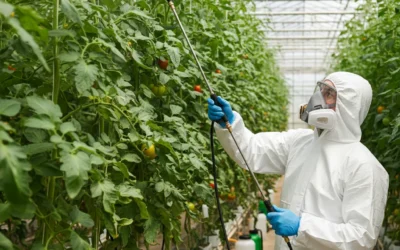
Paraquat is classified by the EPA as a restricted-use pesticide (RUP) that may only be purchased and applied by certified, licensed applicators. In addition to standard applicator certification, the EPA mandates paraquat-specific training—distinct from any other pesticide training requirement—which must be completed every three years. The training includes instruction on paraquat’s toxicity, label requirements, closed-system handling, and emergency response. Paraquat products must carry a “Danger–Poison” label with a skull-and-crossbones pictogram.
As of 2021, paraquat is also required to be sold only in closed-system containers of 120 gallons or larger to prevent accidental exposure during transfer and mixing. The EPA is currently conducting an updated review of paraquat’s volatilization potential after a new vapor pressure study submitted in 2024 indicated a higher value than previously used in risk assessments, introducing greater uncertainty regarding bystander inhalation exposure.
In April 2026, Syngenta voluntarily cancelled the registration of its paraquat product Gramoxone SL 3.0 in California, although products from other registrants remain available. Multiple states—including Hawai‘i, Illinois, Iowa, and Minnesota—have introduced legislation to ban or severely restrict paraquat use, reflecting growing policy momentum at the sub-national level.
The Role of Integrated Weed Management
Reliance on any single herbicide—whether glyphosate or paraquat—is not a sustainable long-term strategy. Integrated weed management (IWM) combines chemical, mechanical, cultural, and biological approaches to diversify selection pressure and delay resistance evolution.
Proven IWM practices include:
-
Crop rotation that disrupts weed life cycles and enables the use of different herbicide groups.
-
Cover cropping to suppress weed germination and reduce herbicide reliance.
-
Mechanical weed control such as tillage, cultivation, and flame weeding where appropriate.
-
Tank-mixing and herbicide rotation using multiple effective modes of action.
-
Stale seedbed techniques—allowing weeds to germinate and then terminating them with a contact herbicide such as paraquat or with light cultivation before planting.
-
Targeted application technologies, including spot spraying of weed patches rather than blanket application.
Both glyphosate and paraquat have legitimate roles within IWM frameworks—but only when used judiciously, at appropriate label rates, and in combination with non-chemical tactics.
Looking Ahead: The Regulatory Horizon
As of mid-2026, both herbicides face an evolving regulatory landscape.
Glyphosate’s immediate future in the United States hinges on the EPA’s final registration review, anticipated in 2026. The Supreme Court’s pending decision on federal preemption in glyphosate litigation could reshape the legal exposure faced by manufacturers. Globally, several European Union member states are proceeding with phase-out plans targeting 2030, while countries such as Mexico and Thailand have implemented partial or complete bans.
Paraquat’s trajectory is even more uncertain. The EPA’s safety reassessment, ongoing volatilization review, and the Endangered Species Act assessment process could result in substantial new use restrictions—or potentially the cancellation of some or all registrations. Multiple state-level legislative efforts seek to ban paraquat outright, although none have yet been enacted into law. Syngenta’s voluntary cancellation of a major paraquat product in California may signal shifting industry strategy in anticipation of regulatory tightening. The Australian Pesticides and Veterinary Medicines Authority has similarly delayed its paraquat decision until mid-2026, citing the need to consider emerging EPA research.
For agricultural professionals, the choice between glyphosate and paraquat is rarely an either-or proposition. The most resilient weed management programs use both herbicides strategically—glyphosate for systemic, cost-effective broad-spectrum control where susceptible populations predominate, and paraquat for rapid burndown, crop desiccation, and rotation with alternative modes of action to manage resistance. Understanding the strengths, limitations, and risks of each herbicide is essential for making informed, responsible decisions in the field.

0 Comments