


High-purity Glycine Herbicide Intermediate Key Raw Material for Glyphosate Formulation Factory Supply
| CAS Number | 56-40-6 |
| Chemical Name | Glycine |
| Molecular Weight | 75.07 g/mol |
| Molecular Formula | C₂H₅NO₂ |
| Synonyms | Glycocoll, Aminoethanoic acid, Gly |
| EINECS | 200-272-2 |
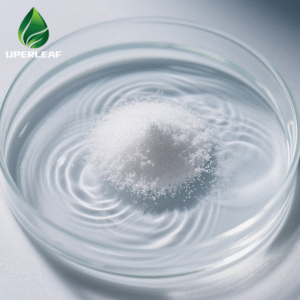
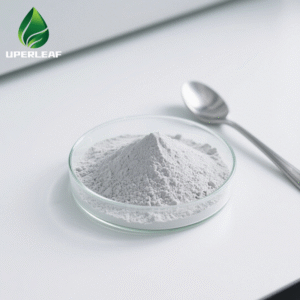
| Appearance | White crystalline powder or flaky crystals, odorless, with a sweet taste |
| Solubility | Freely soluble in water (~25 g/100 mL, 20℃); slightly soluble in ethanol; insoluble in ether, acetone |
| Storage conditions | Store in a sealed container, in a dry and cool place; avoid moisture and high temperature (recommended storage temperature: 0-30℃) |
Parameters:
| CAS Number | 56-40-6 |
| Chemical Name | Glycine |
| Molecular Weight | 75.07 g/mol |
| Molecular Formula | C₂H₅NO₂ |
| Synonyms | Glycocoll, Aminoethanoic acid, Gly |
| EINECS | 200-272-2 |
| Appearance | White crystalline powder or flaky crystals, odorless, with a sweet taste |
| Solubility | Freely soluble in water (~25 g/100 mL, 20℃); slightly soluble in ethanol; insoluble in ether, acetone |
| Storage conditions | Store in a sealed container, in a dry and cool place; avoid moisture and high temperature (recommended storage temperature: 0-30℃) |
| Melting point | 232-236℃ (decomposes and sublimes simultaneously) |
| Boiling point | Not applicable (decomposes at high temperature without forming a stable liquid state) |
| Density | 1.1607 g/cm³ (solid, 20℃) |
| Vapor pressure | <0.01 mmHg (25℃, extremely low vapor pressure in solid state) |
| Refractive index | 1.431 (10% aqueous solution, 20℃); no refractive index data for solid |
| Flash point | Not applicable (solid, non-flammable) |
| Water solubility | ~25 g/100 mL (20℃), solubility increases with temperature |
| BRN | 506004 |
| LogP | -3.06 (octanol/water partition coefficient, highly hydrophilic) |
Glycine, the simplest amino acid, contains reactive functional groups such as amino (-NH₂) and carboxyl (-COOH) in its molecule, making it an important intermediate for the synthesis of various herbicides. Among these applications, its most typical and widely used scenario is serving as a key raw material in the synthesis of glyphosate. Here are its specific application scenarios and underlying principles:
1. Core Intermediate of Glyphosate: Providing the Active Molecular Skeleton
Glyphosate, the most widely used broad-spectrum herbicide globally, has the chemical name N-(phosphonomethyl)glycine. Its molecular structure is based on the glycine skeleton, with the "phosphonomethyl group (-CH₂PO₃H₂)" introduced to the amino group of glycine to form the active structure.
Role of Glycine in the Synthetic Pathway:
As a starting material, glycine reacts with formaldehyde (providing methyl sources) and phosphorous acid or phosphorus trichloride (providing phosphonyl groups) under acidic conditions. Through steps like condensation and substitution, glyphosate is ultimately generated. The amino group (-NH₂) of glycine provides a reaction site for the attachment of the phosphonomethyl group, while the carboxyl group (-COOH) is a key group for the water solubility and biological activity of the glyphosate molecule.
2. Application Scenarios of Glyphosate (Indirectly Reflecting Glycine's Role)
Glyphosate inhibits 5-enolpyruvylshikimate-3-phosphate synthase (EPSPS) in plants, blocking the synthesis of aromatic amino acids (such as phenylalanine and tyrosine), thereby disrupting protein synthesis in weeds and causing their death. Its application scenarios include:
Agricultural Crop Fields:
Widely used in fields of glyphosate-resistant genetically modified crops (e.g., soybeans, corn, cotton) to control annual and perennial weeds (such as crabgrass, goosegrass, green foxtail, etc.).
Non-cultivated Lands:
Used in orchards, tea gardens, lawns, along railways, highways, and in industrial areas to quickly clear weeds, preventing them from competing with crops for nutrients or affecting environmental cleanliness.
Forestry:
Applied in nurseries and afforestation areas to control miscellaneous shrubs, reducing habitats for pests and diseases.
3. Other Potential Applications: Glycine-Derived Herbicides
Beyond glyphosate, derivatives of glycine (e.g., compounds with modified carboxyl or amino groups introducing other active groups) may also act as herbicide intermediates. For example:
-Some amino acid-based herbicides interfere with weed metabolism by mimicking the structure of essential plant amino acids.
-Compounds with a glycine skeleton can be designed as selective herbicides, targeting specific weeds (such as broad-leaved weeds).
Reviews
There are no reviews yet.