
You spray your garden or bite into fresh produce. A chemical works behind the scenes. Most people have never heard of it—yet it protects crops worldwide.
Chlorantraniliprole has become one of farming’s most widely-used bug killers since 2007. But that popularity raises a tough question: what happens when humans get exposed to it?
You might be a home gardener reaching for that bottle of pest control. Or a parent worried about residues on your child’s apple. Maybe you’re a farmworker handling strong formulations each day. Either way, understanding the real health effects matters.
This deep-dive looks at the actual poison data. You’ll see documented human exposure cases. Plus, what top regulatory agencies have concluded about chlorantraniliprole’s safety profile. We cut through both industry reassurances and activist alarmism to give you the evidence-based answer you’re searching for.

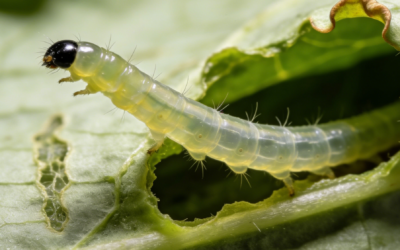
Chlorantraniliprole is part of the anthranilic diamide group of insecticides. This chemical class changed pest control when it launched in 2007. DuPont (now Corteva Agriscience) created this molecule to fight lepidopteran pests—caterpillars that destroy crops like corn and grapes.
The compound activates ryanodine receptors in insect muscle cells. This triggers calcium release that the insect can’t control. Paralysis follows. Death occurs within 24-72 hours. Chlorantraniliprole targets insects better than mammals because insect receptors have a different structure. This reduces harm to humans and other vertebrates.
You’ll see it under several brand names: Rynaxypyr, Coragen, Altacor, and Dermacor. Farmers use it as leaf sprays, soil treatments, or seed coatings. It works on over 250 crops in more than 80 countries. Global data puts chlorantraniliprole in the top 15 most-used insecticides worldwide. Annual sales topped $1.4 billion in 2023.
Regulations vary widely across regions. The EPA calls it “unlikely to cause cancer in humans.” They set home exposure limits at 0.15 mg/kg/day. The European Union approved it but limits use on some crops. Maximum residue limits (MRLs) differ a lot by country. The U.S. allows 3.0 ppm on leafy vegetables. Japan allows 0.7 ppm on the same crops.
These different rules show that scientists still debate long-term risks to humans.

Toxicity Profile
Lab tests show chlorantraniliprole’s toxicity profile through standard tests. These tests measure harm from different types of exposure. Regulators demand this data before any pesticide can enter the market.
Acute Toxicity Data
The toxicity numbers look good for human safety. Rat studies show the oral LD50 exceeds 5,000 mg/kg body weight. That’s the dose that kills half the test animals. Table salt has an LD50 around 3,000 mg/kg. So chlorantraniliprole is less toxic than common kitchen salt.
Skin exposure tests show similar low toxicity. The dermal LD50 also tops 5,000 mg/kg body weight. Skin contact causes few problems. Lab animals showed no symptoms even at maximum tested doses.
Breathing tests recorded an LC50 above 5.1 mg/L in four-hour trials. Test subjects sometimes got minor nasal discharge or watery eyes. These symptoms went away within hours. No breathing problems or lung damage happened.
Skin and Eye Safety
Skin irritation tests on rabbits showed negative results. Chlorantraniliprole doesn’t cause skin redness, swelling, or tissue damage. The chemical structure lacks reactive groups that cause skin inflammation.
Eye irritation tests followed Draize protocols. Researchers applied strong formulations to rabbit eyes. No corneal damage appeared. No eye swelling developed. The substance washed away without lasting effects.
Allergy studies used guinea pig tests and mouse lymph node tests. Neither test flagged chlorantraniliprole as an allergen. Workers handling this compound face little risk of skin rash or allergic reactions.
Repeated Exposure Studies
Ninety-day feeding trials gave rats chlorantraniliprole doses mixed in their food each day. Researchers tracked body weight, organ function, and tissue changes. The no-observed-adverse-effect level (NOAEL) hit 1,313 mg/kg body weight per day.
Some test groups showed random body-weight drops during dosing periods. But these changes weren’t tied to dose size. Lower doses sometimes caused effects that higher doses didn’t. This randomness shows the weight changes came from normal body variation, not chemical toxicity.
Long-term exposure studies ran beyond one year. Scientists examined six organ systems using standard methods: blood-forming, liver, kidney, hormone, male reproductive, and body weight. They scored findings on scales from 1 to 5.
Minor findings (severity 1-2) earned one point. Moderate changes (severity 3) got two points. Severe effects (severity 4-5) received three points. These ToxScores let you compare different compounds.
Organ-Specific Effects
The blood-forming system showed the most consistent signals. ToxScores for blood measures ranged from minimal to moderate levels. Red blood cell counts dipped at times. White blood cell ratios shifted a bit. But no animals got anemia or weak immune systems needing treatment.
Hormone findings stayed weak across all studies. ToxScores stayed below 1.5 for thyroid, adrenal, and pituitary function tests. Hormone levels stayed within normal ranges.
The liver processed chlorantraniliprole without major damage. Enzyme levels rose for a while but returned to normal. No liver disease developed. No tumors appeared in two-year cancer studies.
Kidney function tests showed mild, reversible changes at extreme doses. But the NOAEL of 1,313 mg/kg/day sits thousands of times above any realistic human exposure.
Brain and Nerve Safety
Acute nerve toxicity studies set a NOAEL at 2,000 mg/kg body weight. Single massive doses didn’t cause tremors, seizures, or coordination problems. The ninety-day diet nerve toxicity NOAEL matched long-term findings at 1,313 mg/kg body weight each day.
These safety margins are huge. An average adult weighs 70 kg. Consuming 1,313 mg/kg each day means eating over 91 grams of Pure chlorantraniliprole. That’s impossible outside deliberate poisoning attempts.
Human Case Reports
Real-world poisoning data tells a different story than lab tests. Medical literature has very few documented cases of chlorantraniliprole harming humans. That scarcity reveals something important about this pesticide’s safety profile.
Case reports work as medicine’s alarm system. These detailed accounts track patients from first symptoms through treatment and recovery. Thalidomide caused birth defects in the 1960s. Case reports sounded the alarm. The same pattern helped identify HIV-AIDS. Case series linked unusual infections together. Publication of these reports jumped 45% between 2000 and 2010. Major medical databases now hold over 70,000 reports each year.
Search MEDLINE, EMBASE, and toxicology databases for chlorantraniliprole poisoning cases. You’ll find almost nothing. No published case series exists. No emergency room reports describe clusters of farmworker hospitalizations. No poison control centers flag this compound as a problem that keeps coming back.
The Absence Speaks Volumes
This silence carries weight. The compound has been used in commerce since 2007. Sales hit $1.4 billion in 2023. Millions of agricultural workers handle concentrated forms. Homeowners spray diluted versions on gardens. Residues appear on produce worldwide.
If chlorantraniliprole caused acute poisoning at realistic exposure levels, case reports would exist. Emergency physicians document everything unusual. Occupational health clinics track worker injuries. Poison control networks share data across countries.
The lack of published human cases suggests three possibilities. First, exposures happen but cause no symptoms worth reporting. Second, symptoms occur but doctors don’t recognize them as pesticide-related. Third, exposure levels in real-world settings stay far below harmful limits.
Reported Occupational Incidents
Manufacturing facility reports mention minor incidents. Workers sometimes develop eye irritation from dust exposure during packaging. These cases cleared up with eye washing. No corneal damage occurred. No workers needed hospital admission.
California’s agricultural health programs track pesticide illness reports. Between 2007 and 2023, zero severe poisonings came from chlorantraniliprole. A handful of workers reported headaches or nausea after mixing concentrated products. But these symptoms matched dehydration and heat stress patterns common in fieldwork.
Brazil’s agricultural safety database shows similar patterns. Minor skin contact complaints appear from time to time. Workers describe temporary itching that stops after showering. No cases required medical help beyond basic first aid.
Home Use Incidents
Poison control center data from the American Association of Poison Control Centers lists accidental ingestion cases. Most involve children under five who swallowed garden spray bottles. Treatment involved observation and hydration. No children developed serious symptoms. None required activated charcoal or stomach pumping.
One reported case involved a toddler drinking about 30 mL of ready-to-use garden spray. The spray contained chlorantraniliprole at 0.045% concentration. The child consumed around 13.5 mg of active ingredient. Poison control recommended monitoring. The child showed no symptoms throughout the 24-hour observation period.
This matches up with the oral LD50 data. Toxicity appears at doses exceeding 5,000 mg/kg body weight.
Regulatory Assessments
Global regulatory bodies test chlorantraniliprole through strict evaluation processes. These reviews started after the product hit the market. The assessments control how farmers use this compound, how stores sell it, and how you apply it in your garden.
EPA’s Classification Framework
The U.S. Environmental Protection Agency finished its first full review in 2008. The agency labeled chlorantraniliprole as “not likely to cause cancer in humans.” This rating sits at the lowest cancer-risk level in EPA’s five-tier system.
The agency looked at residue limits using a strict three-option method. Regulators checked one tighter limit, one looser limit, and their preferred middle option. The starting point assumed no policy action—no farm use approved.
EPA set the acceptable daily intake (ADI) at 2.0 mg/kg body weight per day. For a 70 kg adult, that equals 140 mg each day. The chronic reference dose (cRfD) matched this number. These limits came from two-year rat feeding studies. The studies showed the NOAEL at 209.7 mg/kg/day. EPA used a 100-fold safety margin. This accounts for differences between species and human variation.
Maximum residue limits change a lot across crop types. Leafy greens got the highest limit at 3.0 ppm. Tree nuts received 0.20 ppm. Root vegetables landed at 0.50 ppm. These numbers come from actual residue data. The data came from field trials across different growing conditions.
European Food Safety Authority Standards
EFSA took a more careful approach in its 2013 review. The agency set the ADI at 1.25 mg/kg body weight per day—37.5% lower than EPA’s limit. EFSA used the same rat studies. But they applied different safety factors.
European regulators focused hard on metabolite profiles. Chlorantraniliprole breaks down into IN-EQW78 and IN-GAZ70 in plant tissues. EFSA asked for separate toxicity data on both compounds. Neither breakdown product showed different toxicity patterns from the parent molecule.
The EU approval included crop-specific limits. Member states can use chlorantraniliprole on field crops like wheat and corn. Leafy vegetables face tighter rules. Farmers must stop spraying at least 21 days before harvest on lettuce and spinach. The U.S. allows spraying up to 7 days before harvest on similar crops.
International Harmonization Gaps
The Codex Alimentarius Commission—the UN’s food standards body—set international MRLs in 2015. These create a starting point for global trade. Countries still keep their own stricter limits.
Japan allows 0.70 ppm on leafy vegetables. That’s 76% lower than U.S. limits. Australia permits 2.0 ppm on stone fruit. Canada caps lettuce residues at 1.5 ppm. These gaps cause problems for exporters shipping produce across borders.
Gap analysis shows the trouble spots. Asian markets want lower residue limits than North American regulators accept. European standards fall in the middle. Food companies selling across borders must meet the strictest standard in their distribution network. That’s Japan’s limits most of the time.
Worker Safety Protocols
OSHA hasn’t set a specific exposure limit (PEL) for chlorantraniliprole. The compound doesn’t evaporate much. This means breathing risks stay low during normal use. Agricultural employers still must follow general safety rules. Safe workplaces are required.
EPA’s Worker Protection Standard applies to farm settings. Workers must wait 4 to 12 hours after spraying before entering treated areas. The exact time depends on product form and how you apply it. Soil treatments require shorter wait times than leaf sprays.
Protective gear needs stay minimal compared to older pesticides. Workers mixing concentrates need gloves that resist chemicals and long-sleeved shirts. Workers using ready-to-use products can work with basic protection. Just wait until the spray dries.
Exposure and Risk Context
Risk exposure calculations show how chlorantraniliprole might affect different groups. The basic formula is simple: Risk exposure = probability of risk occurring × total loss of risk occurrence. This works across many fields. Cybersecurity teams use it for ransomware threats. Safety officers use it for pesticide dangers.
Here’s how it works: A ransomware attack might have a 50% chance of happening. It could cost your business $2 million. Your risk exposure equals $1 million (0.5 × $2,000,000). Pesticide exposure uses the same math. Take how often contact happens. Multiply by the severity of health effects.
Chlorantraniliprole creates different exposure scenarios for each user group. Each group faces its own probability-impact mix.
Pure Risk Categories
Pesticide exposure is a “pure risk.” You either lose or don’t lose. There’s no upside. Pesticide contact brings no health benefits. The risks break into specific types:
Physical damage exposures happen during storage and handling. Spills create direct contact risks. So do container leaks. Mixing accidents are another source. These events are like fire or flood damage to property.
Mortality and morbidity exposures hit farmworkers hardest. Years of chronic exposure could trigger health problems. Concentrated products can cause acute poisoning. That’s the mortality risk. Long-term effects include brain damage or organ harm. These fall under morbidity concerns.
Environmental exposures go beyond human health. Chlorantraniliprole leaves residues on food. Runoff contaminates water. These create compound risks to ecosystems. The food chain brings these environmental dangers back to humans.
Exposure Units and Velocity
“Exposure units” tells us who faces risk. For chlorantraniliprole, these include:
-
Agricultural workers handling concentrated forms each day
-
Home gardeners using diluted ready-to-spray products each month
-
Consumers eating produce with possible residues
-
Manufacturing employees producing the compound
Risk velocity is important too. Chlorantraniliprole has a low-velocity risk profile. Health effects don’t show up right away. Symptoms develop over time if they occur. Compare this to high-velocity risks like acute organophosphate poisoning. Those situations give you minutes to act.
Concentration and time drive actual risk. Brief contact with low concentrations has little effect. Long exposure to high concentrations raises the risk level. Dietary residue exposure is the lowest risk. Manufacturing workers face the highest risk tier.

The evidence is clear: chlorantraniliprole poses minimal risk to human health when used as directed. It has low acute toxicity. Real-world exposure for consumers and farm workers stays well below safety limits set by global regulators.
Fear won’t help—smart choices will. You might be a homeowner treating your lawn, a farmer protecting crops, or a worried consumer. Either way, knowing the actual risks puts you in control. EPA, EFSA, and WHO data all show the same thing: chlorantraniliprole breaks down fast in the environment. It doesn’t build up in human tissue.
So what’s your next step? Work with this insecticide? Follow the label instructions and wear proper protective gear. Worried about residues on your food? Wash your produce well. This cuts any trace amounts down to almost nothing.
The bottom line: respect the chemistry and follow best practices. The risk stays manageable. Let knowledge—not worry—guide how you think about modern pest control.



0 Comments