
Top 5 Glyphosate in Orchard Management
Glyphosate with their systemic and root-pathogenic properties, have become the core choice for weed control in orchards. However, glyphosate alone has limited effectiveness against some noxious weeds and is susceptible to environmental influences. The following five compund glyphosate , through synergistic effects of their components, are better suited to orchard scenarios in terms of weed control spectrum, speed of action, and safety. Their key technical parameters and application points are as follows:
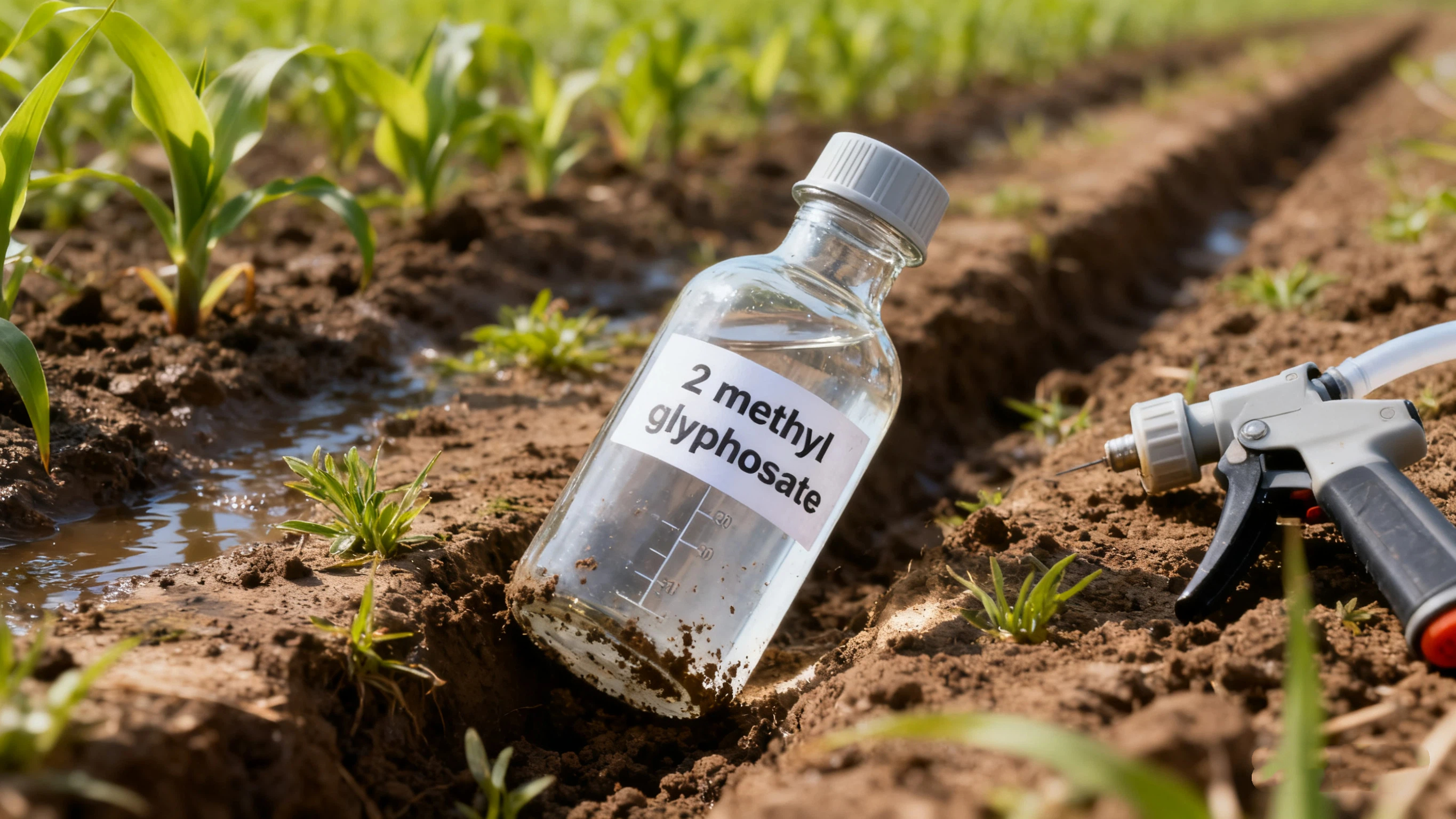
1. 2-Methyl Glyphosate
Target Weeds
- It covers annual and perennial broadleaf weeds and grass weeds, including common weeds such as barnyard grass, barnyard grass, and foxtail grass, and also has significant control effects on noxious weeds such as nutgrass, cogongrass, and goosegrass.
Application Rates and Timing
-
Dosage:
Use an 80% soluble concentrate, applying 120-150 grams per acre per application; or calculate based on the active ingredient content to ensure a synergistic effect between Glyphosate and sodium 2,4-D
-
Timing:
Apply during the peak weed growth period (10-30 cm tall). In southern orchards, apply after spring shoots have matured; in northern orchards, apply before bud break and during the peak weed growth period in autumn, avoiding low temperatures and frost.
-
Method:
Dilute with 30-50 kg of water and spray evenly. Use a spray hood for directional spraying to avoid contact between the solution and the fruit tree stems and leaves.
Suitable Orchard Types
It is widely applicable to most northern orchards, including apple, pear, peach, and kiwi orchards, and can also be safely used in southern citrus orchards.
However, it is strictly prohibited for use in grape or mango orchards, as these fruit trees are sensitive to 2,4-D sodium and are prone to phytotoxicity.
Key Benefits and Considerations
-
Benefits
Long-lasting effect for up to 50 days; two applications per year cover all weed control needs, with a cost of less than 15 yuan per acre, offering excellent value.
The compound formula broadens the weed control spectrum, significantly improving efficacy against broadleaf weeds compared to glyphosate alone.
Use no more than once per season. Drift can cause yellowing of fruit tree leaves and root damage; apply only on windless days.
Toxic to bees and fish; avoid application during fruit tree flowering periods and near aquaculture areas. Use dedicated equipment and thoroughly clean it after
application.
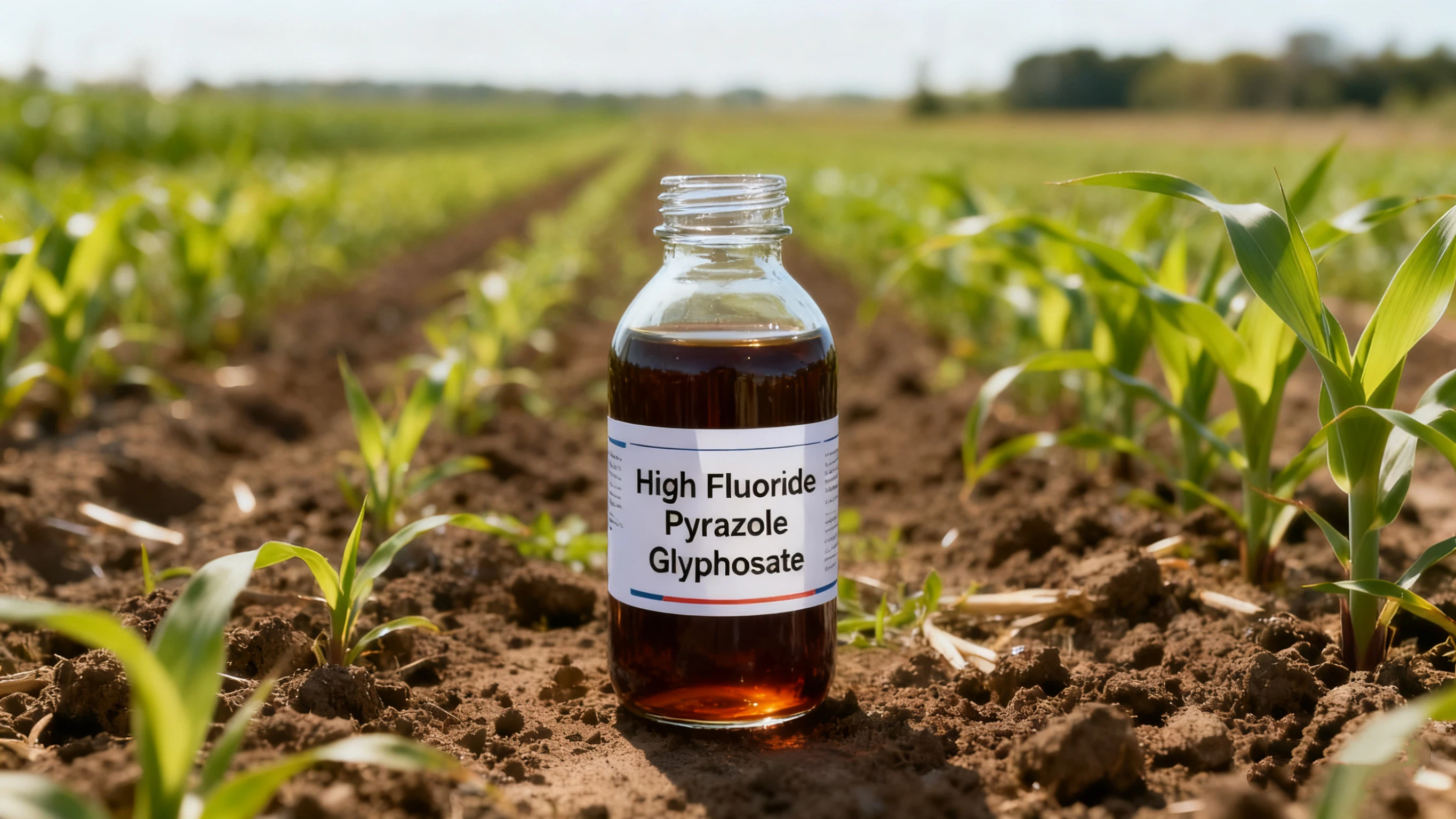
2. High Fluoride Pyrazole Glyphosate
Target Weeds
It provides comprehensive coverage for annual and perennial grass and broadleaf weeds, with particularly outstanding control effects on stubborn perennial grass weeds such as reeds, cogongrass, and bermudagrass. It can also control broadleaf weeds such as purslane and amaranth.
Application Rates and Timing
Use a mixed formulation, applying 350 ml of 30% glyphosate isopropylamine salt solution + 80 ml of 10.8% high-efficiency fluroxypyr EC per acre; if using a premixed formulation, apply according to the label’s recommended dosage, using the upper limit for older weeds.
Spray 20 milligrams per kilogram on the tree crown of mangoes after they are in full bloom. Spray 150 to 200 milligrams per kilogram during the initial and full flowering periods of lychees. Spray 5 to 10 milligrams per kilogram 20 to 30 days before the pineapple flowers bloom. Spray 50 milligrams per kilogram during the physiological fruit drop period of citrus and 20 to 30 days before harvest
-
Method:
Dilute with 30-50 kg of water and spray the foliage, focusing on densely weeded areas. For tall weeds, spray until both sides of the leaves are wet.
Suitable Orchard Types
It is suitable for most orchards, including apple, pear, citrus, grape, and walnut orchards, and is especially suitable for mountain orchards and old orchards where weeds are mainly perennial grasses.
Key Benefits and Considerations
-
Benefits:
High-efficiency flupyradifurone synergistically addresses the issue of insufficient efficacy of glyphosate alone against noxious grass weeds.
Its complementary weed control spectrum allows for simultaneous control of both grasses and broadleaf weeds with a single application, reducing the number of applications required.
-
Considerations:
High-efficiency flupyradifurone is sensitive to grasses; orchards adjacent to wheat or cornfields must strictly control its drift range.
If rain occurs within 6 hours of application, a re-application is necessary, with the dosage halved to avoid waste and residue.
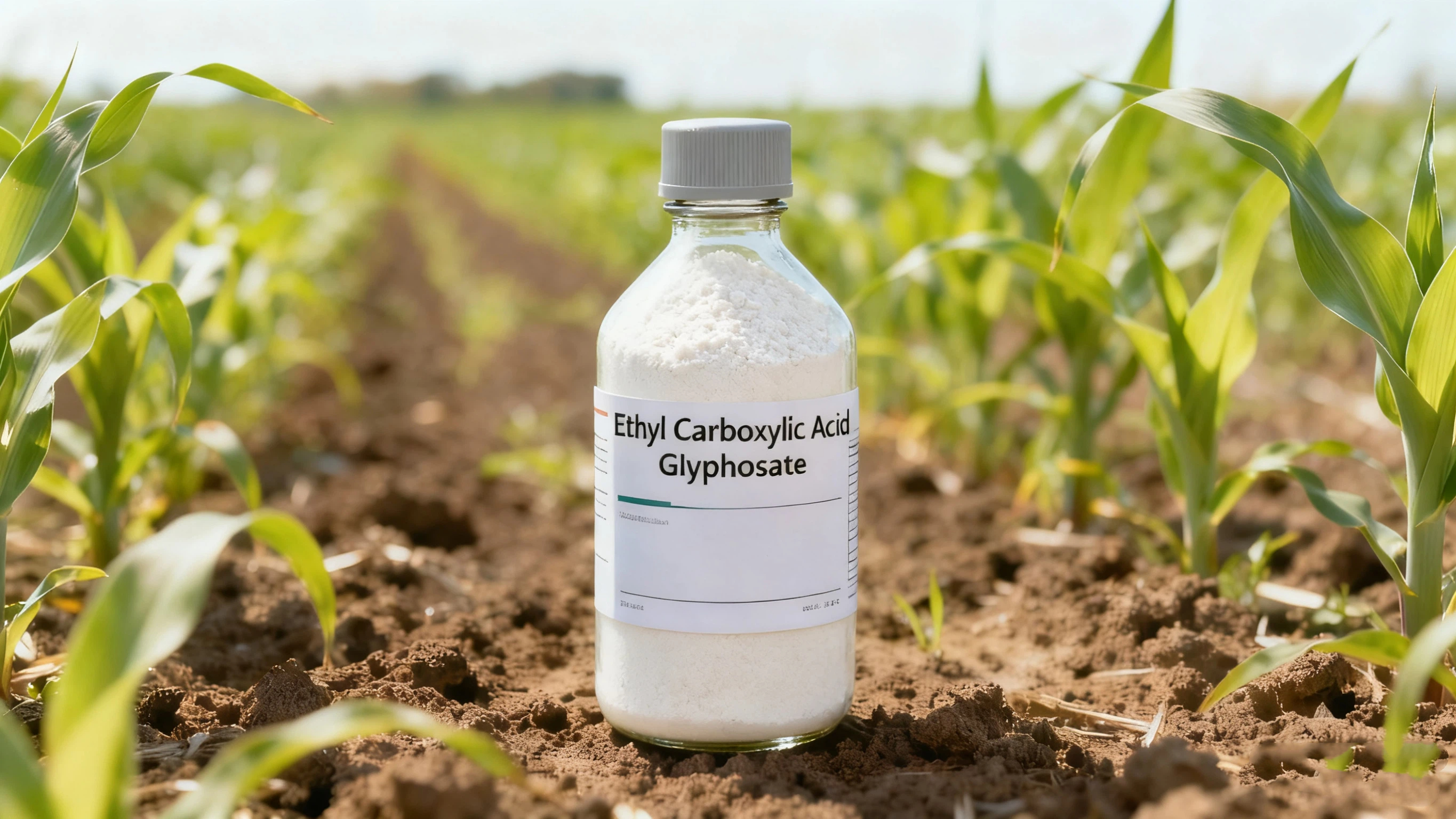
3. Ethyl Carboxylic Acid Glyphosate
Target Weeds
It is highly effective against annual and perennial broadleaf weeds, including glyphosate-resistant weeds such as purslane, amaranth, fleabane, and sedge. It can also control grass weeds such as barnyardgrass and sedge, and has some control effect on sedges such as nutgrass.
Application Rates and Timing
-
Dosage:
Use 78% wettable powder, applying 100-120 grams per acre per application. For other formulations, calculate the dosage based on the equivalent active ingredient content.
-
Timing:
Apply during the vigorous growth period of weeds. A key advantage is its good cold tolerance; it is effective at temperatures above 12℃ (spring and autumn), solving weed control problems in early spring and late autumn.
-
Method:
Dilute with 30 kg of water and spray evenly. Because ethoxysulfuron requires light activation, apply on a sunny morning, ensuring at least 4 hours of sunlight after application.
Suitable Orchard Types
It is widely applicable to various orchards such as apple, pear, citrus, grape, lychee, and longan, and is especially suitable for early-maturing orchards with a high proportion of broadleaf weeds that need to be weeded during the low-temperature season.
Key Benefits and Considerations
-
Benefits:
Ethoxyfluorfen significantly improves weed control speed, exerting its root-rot effect within 5 days of application, which is 3-5 days faster than glyphosate alone.
It exhibits outstanding efficacy against resistant broadleaf weeds and can effectively alleviate glyphosate resistance issues.
-
Considerations:
Ethoxyfluorfen has contact action; drift onto young leaves of fruit trees can cause burns. Targeted spraying is necessary, avoiding the new shoot growth period.
It is irritating to the skin; protective clothing and goggles must be worn during preparation and application.
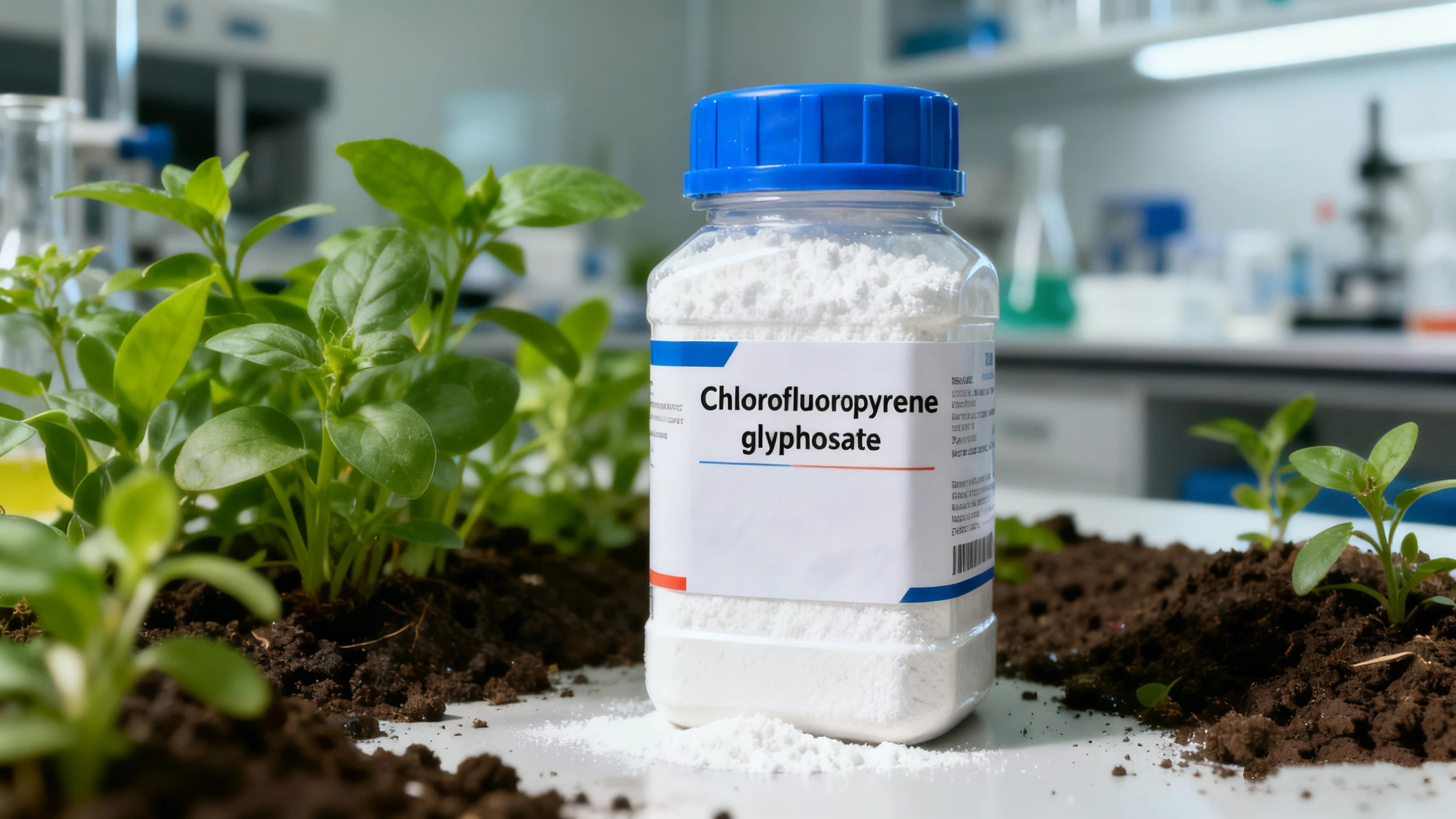
4. Chlorofluoropyrene glyphosate
Target Weeds
Application Rates and Timing
-
Dosage:
Use 58% wettable powder at a rate
of 80-160 grams per acre. Higher doses are recommended for denser, older weeds. For non-cultivated land, the dosage can be increased to 150-200 grams per acre.
-
Timing:
Apply during the peak weed growth period (late spring to autumn). For shrub weeds, treatment after germination and before lignification is more effective.
-
Method:
Dilute with 30-50 kg of water and spray the foliage. For tall weeds and shrubs, focus on spraying the base to ensure thorough absorption.
Suitable Orchard Types
Suitable for orchards of apples, pears, citrus, walnuts, etc., especially suitable for marginal orchards adjacent to wasteland, orchards prone to the growth of noxious weeds and shrubs, and old orchards with complex weed species.
Key Benefits and Considerations
Clopyralid can overcome the resistance of some weeds to glyphosate, significantly improving the control effect against broadleaf noxious weeds.
It combines weed control and shrub control functions, reducing the cost of cleaning up weeds around orchards.
Clopyralid has a short residual period in the soil, but direct spraying on the root zone of fruit trees should still be avoided.
Do not mow, graze, or till the soil for 5 days after application to avoid affecting the systemic transport of the Herbicide.
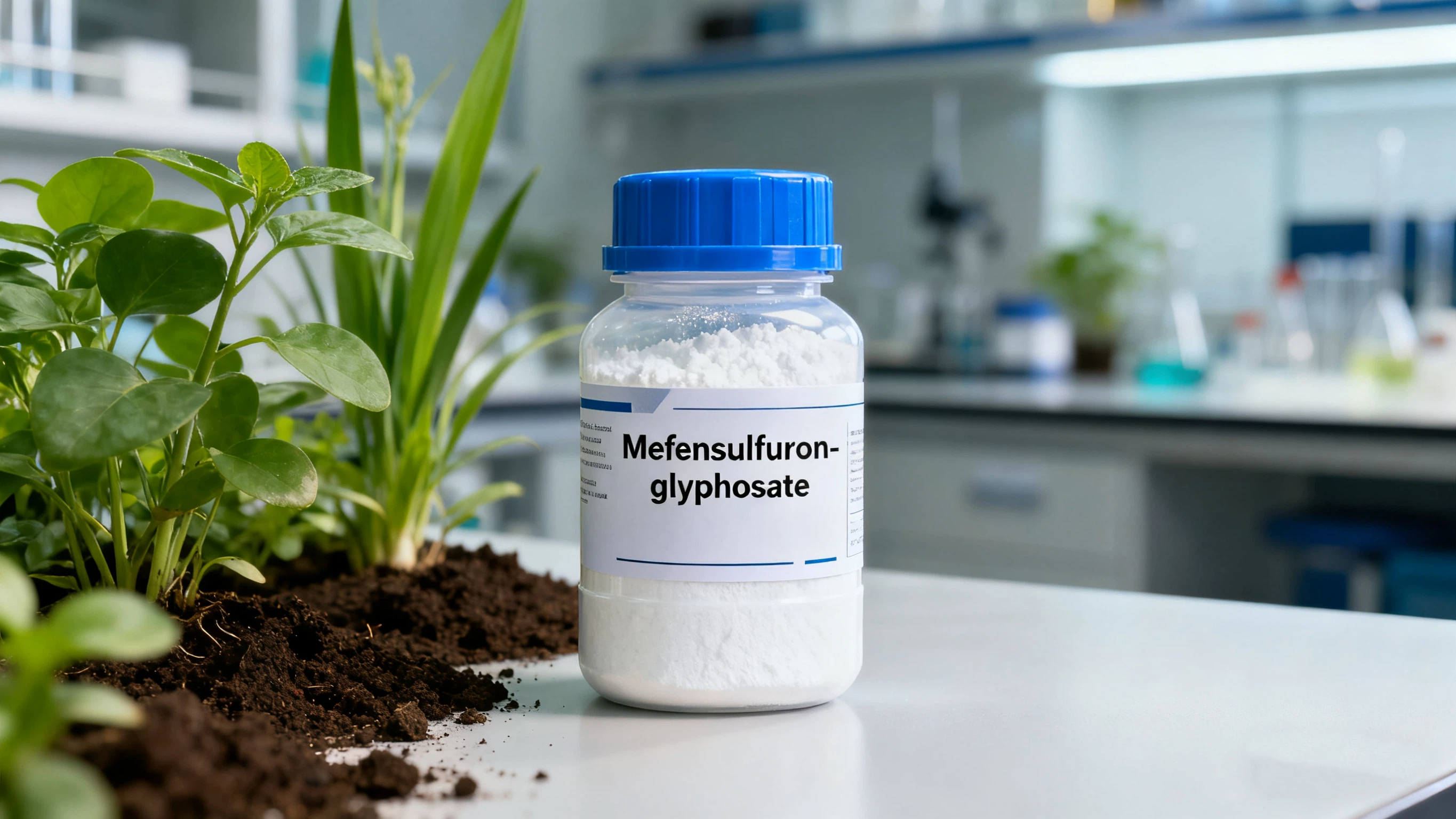
5. Mefensulfuron-glyphosate
Target Weeds
Application Rates and Timing
-
Dosage:
Use a 32% suspension concentrate, applying 280-420 ml per acre. For bamboo and tall shrubs, the dosage can be increased to 450 ml per acre.
Apply during the vigorous growth period of weeds and shrubs (mainly summer), avoiding the critical flowering and fruit setting period of fruit trees. It is recommended to apply after spring shoots have matured or after autumn shoots have stopped growing.
- Method:
Dilute with 30-50 kg of water and spray. For tall shrubs, use a spot-spraying method, directly spraying the densely foliaged parts.
Suitable Orchard Types:
This product is only suitable for mature orchards of deep-rooted fruit trees such as apples, pears, and walnuts, and the orchard must be converted from non-arable land or have a large amount of surrounding irrigated land.
It is strictly prohibited for use in shallow-rooted orchards such as peach orchards and vineyards, as well as in orchards on arable land.
Key Benefits and Considerations
Mefensulfuron-methyl synergistically enhances weed control speed and duration of action, providing 2-3 years of protection with a single application, reducing the frequency of long-term application.
It exhibits outstanding efficacy against stubborn shrubs and bamboo, making it suitable for orchard clearing and weed control.
Mefensulfuron-methyl is a long-residue herbicide and is strictly prohibited on cultivated land and in orchards where the next crop will be a sensitive crop. Application areas must be far from water sources and vegetable growing areas.
It has potential effects on fruit tree roots; it is prohibited in young orchards and for shallow-rooted fruit trees. Even in mature orchards, direct penetration of the herbicide into the root zone should be avoided

0 Comments