
Whether you’re a farmer, landscaper, or agricultural supplier operating in global markets, proper Glyphosate use is key to maximizing efficacy, ensuring regulatory compliance, and protecting human health and the environment. Below are the five non-negotiable pre-use guidelines tailored to international agricultural standards and cross-border operations.
Tip 1:Master Glyphosate’s Properties & Target Application Scenarios
Glyphosate is a non-selective, systemic herbicide—meaning it kills nearly all plants it contacts by inhibiting amino acid synthesis. To avoid costly crop damage (a top concern for overseas clients), start by clarifying its ideal use cases:
Suitable Areas
- Uncultivated land, road edges, industrial zones, or between crop rows (with strict physical barriers). It is NOT suitable for direct application on growing crops like soybeans, cotton, or vegetables (unless using glyphosate-tolerant GMO varieties, which require verification of local regulatory approval).
Weed Targets
- Highly effective against annual weeds (e.g., crabgrass, pigweed) and perennial deep-rooted weeds (e.g., dandelions, bindweed) when applied at the right growth stage.
Regulatory Note
- Confirm local approval status—glyphosate use is restricted or banned in some regions. Always check your country’s agricultural ministry guidelines before import or application.
Tip 2: Follow Product Labels Strictly (Pay Attention to Multilingual Instructions)
Glyphosate varies in active ingredient concentration, recommended dilution ratios, and application methods.
-
Read Multilingual Versions
Ensure you reference the label in the local language (e.g., Spanish for Latin America, French for West Africa) to avoid misinterpreting dosage. -
Adhere to Dosage RulesFor annual weeds, use 200-300ml of 41% Glyphosate per 15L of water;
For perennials, increase to 400-500ml.
Never exceed recommended rates—excess residue can harm subsequent crops and violate local environmental standards.
-
Storage & Shelf-Life
Labels often specify temperature limits (typically 5°C-35°C) for storage, critical for maintaining efficacy.
Check expiration dates to avoid supplying expired products.

Tip 3:Choose the Optimal Application Timing & Weather Conditions
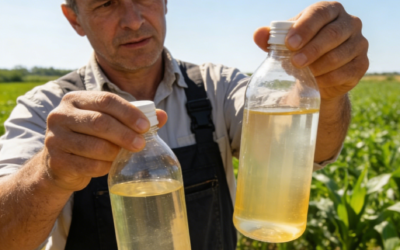
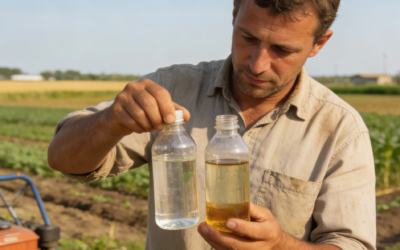
Using the wrong container for mixing glyphosate puts you and your equipment at risk. I recommend choosing the right container type. It’s essential for safety and effectiveness.
Temperature
Ideal application temperatures range from 15°C to 25°C.
Below 10°C, weed absorption slows, reducing efficacy;
Above 30°C, the spray solution evaporates quickly, increasing health risks and waste.
Wind & Rain
Avoid application when wind speeds exceed 3 m/s (≈11 km/h)—drift can damage neighboring crops or water sources.
Wait at least 6 hours after spraying before rain; heavy rain within this period washes away Liquid medicine, requiring reapplication.
Weed Growth Stage
Apply when annual weeds are 10-20cm tall and perennials are in the active growth phase (before flowering). Mature weeds with thick cuticles require higher concentrations or adjuvants.

Tip 4:Prioritize Personal Protective Equipment (PPE) & Environmental Protection
I recommend wearing the right PPE every time you handle glyphosate. This is essential. Skipping or misusing PPE increases your risk. Pesticide injury data show that 1 in 3 glyphosate-related injuries stem from improper PPE use. Missing just one piece can cause serious harm. Your eyes and skin are most at risk.
Must-Have Glyphosate PPE: Specific Gear to Choose
-
Chemical-Resistant Gloves
I suggest gloves made from butyl, Viton, nitrile rubber, or polyvinyl chloride (PVC).- Nitrile gloves (0.11 mm thick) last over 8 hours before chemical breakthrough.
- Studies confirm: proper gloves can cut glyphosate exposure by 50–80%.
-
Full-Body Protection
For concentrated solutions or high-risk tasks, use a full-body suit.- I recommend HPS/VPS suits.
- Wear long-sleeved shirts, long pants, closed-toed shoes, and socks under protective suits.
-
Eye Protection
Serious eye injuries have occurred from skipped protection.- Wear safety goggles or glasses meeting the standards.
- For spraying liquids or potential splashes, I suggest indirect-vent goggles with a face shield.
-
Respiratory Protection
Working in dusty or low-ventilation areas? You need an approved respirator.- At a minimum, pick an N95 particulate filter for dust.
- For mists or high-exposure scenarios, use a full-face supplied-air respirator.
-
Protective Footwear
Use closed-toed, chemical-resistant boots.
PPE Use, Inspection, and Maintenance
- Inspect all PPE—gloves, goggles, suits, shoes—each day before use.
- Check for abrasions, tears, or signs of chemical damage.
- Replace any item that looks damaged.
- Clean PPE after every use. This keeps it effective and safe.
- Employers must provide, maintain, and fit-test PPE for workers. They must ensure proper use and condition every day.
How Proper PPE Makes a Difference
- The Agricultural Health Study shows wearing gloves can cut glyphosate exposure by half or more.
- Case records prove eye injuries are common from skipped eyewear.
- Keeping PPE clean and undamaged reduces pesticide injury risk.
Based on my experience, strict attention to the right PPE isn’t just a rule. It’s your best protection against immediate and long-term health risks from glyphosate. I recommend treating PPE as your first line of defense.
Environmental Safeguards
- Keep sprayers at least 10 meters away from water bodies (rivers, lakes, wells) to prevent aquatic contamination—critical for regions with strict water protection laws (e.g., Nordic countries).
- Dispose of empty containers properly: Rinse 3 times with water, crush, and recycle as hazardous waste (not regular plastic). Never dump leftover Liquid medicine or rinse water on soil.

Tip 5: Avoid Herbicide Damage & Mixing Taboos
Herbicide damage and improper mixing are common issues in cross-border agricultural operations, leading to crop losses and client disputes:
Prevent Non-Target Damage
-
Use shielded sprayers or physical barriers (e.g., plastic sheets) when applying near crops. For large-scale farms, mark application zones clearly to avoid accidental spraying.
Mixing Rules
Post-Application Wait Time
- Wait 7-14 days before planting sensitive crops (e.g., lettuce, tomatoes) to ensure residue levels meet local standards.

I’ve worked with farmers and suppliers worldwide for years. I’ve seen how these five tips change glyphosate from a risk into a safe, powerful tool. Success versus expensive mistakes? It comes down to preparation and respect for the product.
Before you spray, I suggest you take time to understand the science. Check your equipment. Protect yourself and your environment. Your crops will benefit. Your community will benefit. Your bottom line will benefit.
Based on my experience, effective weed control starts with knowledge, not with the spray itself.

0 Comments