
You spot your curious cat sniffing around the garden. Or maybe your dog is rolling in the grass you just treated. Your heart skips a beat.
You’ve used products with Chlorantraniliprole—a common bug killer for lawns and pest control. Does this chemical threaten your pets? The concern makes sense. Pets explore with their noses and paws. They’re vulnerable to whatever we put in and around our homes.
Companies market chlorantraniliprole as safer than old-school pesticides. But what’s the real impact on cats and dogs? You need to look past the label. This guide examines actual toxicity data. You’ll learn about exposure risks and key safety steps. These details could mean the difference between a safe home and a rushed vet visit.
Chlorantraniliprole and Pet Safety
Chlorantraniliprole ranks among the safest insecticides for mammals, including your pets. The numbers tell a reassuring story. Scientists ran strict 90-day oral tests with dogs. They found no harmful effects at doses over 1000 mg/kg per day. That’s a very high threshold. It’s far beyond anything your pet would encounter in normal use.
Severe toxicity data backs up this safety profile. The oral LD50 (the dose lethal to 50% of test subjects) exceeds 5000 mg/kg in mammals. Skin exposure shows similar results at over 2000 mg/kg. Breathing toxicity remains minimal at levels above 5.1 mg/L over four hours.
Real-World Exposure Levels in Pets
Recent studies detected chlorantraniliprole in pet urine. This gives us actual exposure data. Cats showed higher amounts than dogs. This happens because of their grooming habits. The geometric mean ranged from 0.02 to 23.5 nanograms per gram of creatinine. At the 95th percentile, levels stayed between 0.19 and 1830 ng/g creatinine.
These tiny amounts come mostly from flea and tick treatments containing neonicotinoids. They don’t come from lawn applications. One study found median total pesticide levels of 35.2 ng/mL in dog urine and 38.1 ng/mL in cats. Chlorantraniliprole represented just a fraction of that total.
The gap between detected exposure and harmful doses is huge. Your pet would need to consume massive amounts to reach toxic levels. Still, basic caution matters. Keep granular products secured. Pets might mistake them for food.

Exposure Levels in Cats and Dogs
Dogs lead pesticide exposure cases by a huge margin. The National Poison Data System tracked 1,371,095 animal exposures from 2000 to 2010. Dogs made up 88.0% of these cases—that’s 1,207,018 incidents. Cats only hit 10.4%, totaling 142,924 cases. This gap doesn’t match pet population numbers. The U.S. has more cats (about 81.7 million) than dogs (72 million). The difference? Behavior.
Dogs explore and eat things they shouldn’t. Cats are more picky, though they still get exposed.
How Pets Encounter Chlorantraniliprole
The Kansas State Veterinary Diagnostic Lab looked at 1,616 pesticide exposure calls from 2009 to 2012. The data shows clear patterns. Pets contact chemicals like chlorantraniliprole in specific ways.
Exposure routes break down this way:
– Oral exposure: 95.5% of all cases
– Skin contact: 3.7%
– Breathing it in: 0.6%
– Injection: 0.2%
Your pet most often encounters chlorantraniliprole by mouth. Dogs might lick treated grass or eat granules. Cats groom their paws after walking on treated surfaces. Skin contact happens less. Breathing in the chemical is rare.
The same Kansas study confirmed species patterns. Dogs made up 84.7% of calls. Cats hit 15.3%. Several studies show similar numbers—dogs range from 76.5% to 87% of exposure cases. Cats fall between 11% and 18.8%.
What Substances Affect Pets Most
Pesticides rank high on the exposure list. But they’re not the top problem. Here’s the full breakdown from the Kansas study:
|
Substance Category |
Dogs (%) |
Cats (%) |
Total (%) |
|---|---|---|---|
|
Drugs |
31.0 |
4.4 |
35.4 |
|
Household products |
12.5 |
3.0 |
15.5 |
|
Food |
13.0 |
1.7 |
14.8 |
|
Pesticides |
11.3 |
2.6 |
13.9 |
|
Plants |
9.0 |
3.0 |
12.0 |
Prescription and over-the-counter drugs cause the most problems. Food ranks third. Pesticides, including chlorantraniliprole, make up 13.9% of total exposures.
Pesticide exposures show clear patterns. Certain products dominate. Ant and roach baits lead the list at 28.5% for dogs and 4.0% for cats. Rat poisons follow at 24.0% for dogs and 8.0% for cats. Products with chlorantraniliprole make up a smaller part of these pesticide cases.
Most exposures happen at home. The National Poison Data System found 97.0% of cases at the pet’s own house. Just 1.7% happened elsewhere. Both dogs and cats averaged around 4 years old at exposure, with a median age of 2 years. Young, curious pets face higher risk.
Toxicity and Safety Profile
Chlorantraniliprole shows very low toxicity to mammals in scientific tests. Scientists use scoring systems to measure how chemicals affect living things. These scores tell us the real safety story of this insecticide.
Scientists check toxicity in many ways. The ToxScore system tracks endocrine disruption. This means how a substance messes with hormones. Chlorantraniliprole shows weak hormone signals in controlled studies. Test results fall between ToxScores <1 to about 1.5 compared to control groups. These low numbers mean minimal hormone interference in mammals.
Understanding Severity and Impact Measurements
Toxicologists grade severity. They don’t just count problems. Tissue examination under a microscope follows a clear severity scoring protocol. Minor changes (severity levels 1–2) get a score of 1. Moderate tissue changes (severity 3) get scored as 2. Major damage (severity 4–5) earns the highest score of 3.
Testing shows where chlorantraniliprole might build up or cause changes. Studies found some organs showed effects based on how many animals were affected. Severity of the changes mattered less. The liver stood out with findings in 11 test animals. Kidney effects appeared in 6 animals. The blood-forming tissues showed changes in 8 animals. Researchers used incidence ToxScore instead of severity ToxScore in these cases. The number of affected animals mattered more than the degree of change.
Statistical Significance in Safety Testing
Raw numbers need context. Scientists use statistical methods to see if observed changes mean something. The bootstrap test provides this framework. It finds meaningful differences in test subjects’ responses. A difference of ≥0.16 standard deviations in mean absolute response crosses the significance threshold (p<0.05). Anything below 0.16 standard deviations doesn’t qualify as significant. This strict standard prevents false alarms in safety checks.
Test complexity varies by dose level and study design. Biomarker analysis measures biological signs of exposure or effect. This creates a lot of data. Researchers tracked between 21 to 92 biomarkers per dose level across different chlorantraniliprole studies. Both sexes were combined. This complete approach catches subtle changes other methods might miss.
Comparative Toxicity Analysis Methods
Medical research borrows techniques from cancer drug trials to check pesticide safety. The Area Under the Curve (AUC) method measures total toxicity burden over time. This approach was developed for comparing chemotherapy treatments. Now it helps assess total pesticide effects. One cancer trial (N9741) showed mean AUC values of 4.2 versus 2.9 (p<0.0001) between different treatments. Similar math models work for long-term pesticide exposure studies.
The Toxicity Index (TI) offers another strong tool. It preserves T-rank—a complete patient ranking by toxicity frequency. TI shows higher efficiency compared to maximum or average toxicity measures. This advantage appears strongest under Poisson-Limit statistical models. These models handle sparse data situations better. Pesticide exposure often involves low-frequency events spread across large populations. This makes TI valuable.
Recommended Safety Metrics for Pet Exposure
Experts recommend two key measurements for checking real-world pesticide safety:
-
Exposure-adjusted incidence rate: This metric accounts for how long pets are exposed to treated areas
-
Exposure-adjusted event rate: This tracks exposure duration and multiple bad events at the same time
These exposure-adjusted rates give far more accurate risk pictures than simple exposure counts. A dog walking across a treated lawn for a short time faces different risk than one spending hours in the same area. Multiple small exposures may combine in different ways than one large exposure. Modern safety checks consider these details through advanced measurement approaches designed for chlorantraniliprole and similar compounds.
Risks and Precautions
Chlorantraniliprole has low direct toxicity to pets. But risks exist during application and right after treatment. Your biggest concern isn’t the chemical itself. It’s how your pets interact with treated areas before products dry or settle.
Application Timing and Pet Access
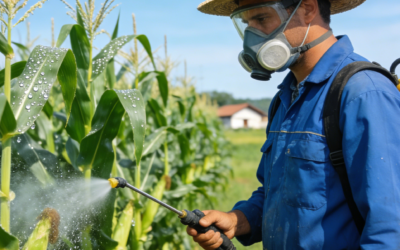
Keep pets indoors during pesticide application. Wet formulations pose the highest exposure risk. Granular products on lawns need time to settle into soil. Wait until sprays dry before allowing pets back outside. Most liquid formulations dry within 2-4 hours under normal conditions. Check product labels for specific re-entry times.
Dogs and cats walk through treated grass. Then they lick their paws during grooming. This oral route accounted for 95.5% of pesticide exposures in veterinary diagnostic data. The absorbed amount stays well below toxic levels. But you can eliminate even this low-level contact with simple timing adjustments.
Storage and Product Handling
Store Chlorantraniliprole products in secured cabinets away from pet areas. Granular formulations look similar to kibble or treats to curious dogs. The Kansas State Veterinary Diagnostic Lab found dogs made up 84.7% of pesticide exposure calls. Dogs eat things without discrimination.
Lock containers right after use. Never transfer pesticides to unmarked bottles or food containers. Your pet can’t read labels. They use smell and appearance to judge what’s edible. Even low-toxicity products like chlorantraniliprole cause problems. This happens with large quantities of concentrated material.
Signs Requiring Veterinary Attention
Watch for unusual behavior after potential exposure. Excessive drooling signals oral contact with pesticides. Vomiting or diarrhea indicates digestive system irritation. Loss of appetite, lethargy, or difficulty walking warrant quick vet consultation.
Chlorantraniliprole seldom causes severe symptoms at typical exposure levels. But combination products complicate things. Many lawn treatments mix chlorantraniliprole with fertilizers or other pesticides. These extra ingredients carry different toxicity profiles. Check all active ingredients on product labels.
Document what your pet contacted and when it happened. Bring the product container to your veterinarian. The exact formulation, concentration, and other ingredients determine treatment protocols. Most cases involving chlorantraniliprole alone resolve with supportive care. This includes fluids, monitoring, and time for elimination.
Preventive Measures That Work
Create physical barriers during treatment. Close windows and doors if applying near your house. Use temporary fencing to block treated sections of your yard. Mark treated areas with flags or stakes as visual reminders.
Consider other application methods in high-traffic pet areas. Spot treatments instead of broadcast applications reduce total exposure area. Bait stations for ant control keep products away from curious noses better than surface sprays.
Wash pet bowls, toys, and bedding if they contacted treated surfaces. Outdoor water bowls should stay covered during application. Rinse them well before refilling. These small steps prevent accidental ingestion of residues. Residues settle on objects your pet often mouths.

Chlorantraniliprole and your pets? The science brings good news. This insecticide shows very low toxicity to mammals. Used correctly, it’s one of the safer pest control options out there. No chemical deserves careless handling around pets, but the evidence is clear: cats and dogs face minimal risk from products with this active ingredient applied the right way.
Responsible use is what matters: follow the application guidelines, keep pets away from treated areas until surfaces dry, and store products where paws can’t reach. Dealing with pest issues and worried about chlorantraniliprole products near your pets? Consult your veterinarian or a licensed pest control professional. They can assess your specific situation.
The greatest danger? It usually doesn’t come from the chemical itself. Misuse or accidental ingestion of concentrated products causes the real problems. Stay informed, follow best practices, and you can manage pests while keeping your pets safe and healthy.



0 Comments