
Choosing between Chlorantraniliprole and deltamethrin can make or break your pest control strategy—and your budget. These two powerful insecticides take completely different approaches to protecting your crops. Chlorantraniliprole is a modern diamide that changes the game for moth and butterfly pest control. Deltamethrin is a proven pyrethroid with decades of field success behind it.
Here’s what most growers miss: the “better” option depends on your specific pest pressure, resistance patterns, and application timing. You might be fighting armyworms that are destroying your corn. Or you’re dealing with resistant pest populations. Maybe you’re building an integrated pest management rotation. Understanding how these chemicals work at the molecular level will transform your results.
This comparison breaks down their modes of action. You’ll see real-world effectiveness across pest species. We cover safety profiles and economic trade-offs. Stop guessing and start making data-driven decisions that protect both your yields and your investment.

Chemical Class and Mode of Action
Chlorantraniliprole and deltamethrin come from different chemical families. This affects their molecular targets and how they behave in the environment. Chlorantraniliprole is a diamide insecticide (an anthranilic diamide). It’s one of the newest chemical classes in agriculture from the past two decades. Deltamethrin is a synthetic pyrethroid. This class has led the insecticide market since the 1970s. It mimics natural compounds from chrysanthemum flowers.
Chlorantraniliprole: Ryanodine Receptor Modulation
The rynaxypyr active ingredient (chlorantraniliprole’s common name) works through a precise mechanism. It targets the ryanodine receptors in insect muscle cells. These are calcium channels that control muscle contraction. Chlorantraniliprole binds to these receptors and forces them to stay open. Calcium floods into muscle cells without control. This stops feeding immediately. Insects become paralyzed and die within 24–72 hours.
This MOA fits into the “specific mechanism” category (Verhaar Class 4). Specific-acting compounds make up 17% of all classified pesticide active ingredients according to consensus MOA databases. Compare this to 40% that work through non-specific narcosis. Chlorantraniliprole’s precise target gives it exceptional selectivity. Mammalian ryanodine receptors have a different molecular structure. The compound shows 500–1,000 times lower affinity for non-target organisms compared to target lepidopteran pests.
The diamide insecticide mode of action gives you three practical advantages.
First, cross-spectrum activity across all lepidopteran life stages (eggs, larvae, adults). You don’t need ingestion—contact exposure works.
Second, no cross-resistance with other insecticide classes. The ryanodine receptor target is unique to diamides.
Third, systemic and translaminar movement in plant tissues. This protects new growth that emerges after application.
Deltamethrin: Sodium Channel Disruption
Deltamethrin attacks the voltage-gated sodium channels in insect nerve cells. These channels open and close fast to transmit nerve impulses. The pyrethroid insecticide works by forcing these channels to stay open far longer than normal. Sodium ions keep flooding in. Nerve cells fire over and over without stopping. Insects experience fast knockdown, paralysis, and death—often within minutes to hours.
This mechanism also qualifies as specific in toxicological terms. But it differs from diamides. Pyrethroids target neurological function rather than muscle physiology. The sodium channel MOA has been very successful in commerce. Pyrethroids account for about 30% of the global insecticide market. This nervous system disruption works across a broad spectrum of insect orders—not just Lepidoptera but also Coleoptera (beetles), Hemiptera (true bugs), Diptera (flies), and others.
But deltamethrin is a contact insecticide with minimal systemic movement. It must touch the pest. This limits its effectiveness against boring insects, leaf miners, or pests that feed on protected plant parts. The compound breaks down fast in sunlight (photodegradation half-life of 6–8 days on exposed surfaces). You need more frequent reapplication compared to chlorantraniliprole’s 14–21 day residual in many crops.
Target Pests and Spectrum
Chlorantraniliprole targets lepidoptera control products with laser-like focus on caterpillars. Deltamethrin works across many insect groups. This difference decides which product fits your pest problem.
Chlorantraniliprole: Lepidopteran Specialist
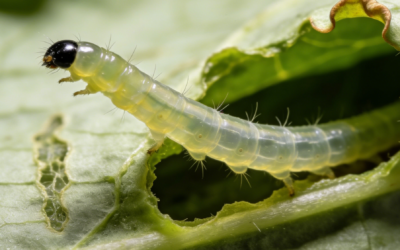
Chlorantraniliprole works as a narrow-spectrum insecticide with strong killing power. It kills Lepidoptera (moths and butterflies) at every life stage. Field tests show it controls armyworms, cutworms, corn borers, diamondback moth, codling moth, fruit worms, and leaf rollers. The product achieves 90-100% mortality against most caterpillar species at labeled rates.
Here’s what makes it selective: the ryanodine receptor in caterpillar insects binds in a unique way. Tests on Coleoptera (beetles) show 15-30% efficacy at normal field rates. Hemiptera (aphids, whiteflies, stink bugs) resist it too—death rates fall below 25% even at higher doses. The product doesn’t bind well to ryanodine receptors in these bug groups.
This target-specific approach works like other selective pesticides such as Bacillus thuringiensis (Bt). Bt strains control certain caterpillar species through gut toxins. These toxins need alkaline pH and specific receptor binding to work. Both kill target pests. Both spare helpful predators and parasites. Research shows chlorantraniliprole keeps 65-80% of existing beneficial insect populations alive in treated fields. Broad-spectrum products often wipe out >90% of field arthropods.
The systemic and cross-leaf movement boosts this selective advantage. Chlorantraniliprole travels through xylem tissues after you apply it to soil or leaves. Caterpillars eat the product as they chew treated plant parts. But helpful insects that eat nectar, pollen, or other bugs don’t touch it. This systemic pesticide property guards new growth for 14-21 days. You don’t need total spray coverage.
Deltamethrin: Broad-Spectrum Knockdown
Deltamethrin acts as a broad-spectrum insecticide hitting many insect groups at once. The sodium channel target appears in Lepidoptera, Coleoptera, Hemiptera, Diptera, Hymenoptera, and Thysanoptera. Field use controls caterpillars, beetles, aphids, whiteflies, thrips, leafhoppers, and flies equally well. This flexibility explains why pyrethroids claim 30% of global insecticide sales.
But this wide reach has downsides. Deltamethrin works as a contact insecticide needing direct spray on pest bodies. It doesn’t travel through plant tissues. Pests feeding under leaves, inside stems, or in protected spots dodge exposure. Spray coverage must hit >80% of plant surfaces for good control.
Pyrethroid insecticide effectiveness shows fast knockdown—insects quit feeding in 5-15 minutes after contact. Paralysis hits in 30-60 minutes. This speed stops crop damage right after you spray. But the product breaks down fast through photodegradation (sunlight breakdown). Protection lasts 3-7 days on exposed plant surfaces. You spray more often than with chlorantraniliprole’s long protection.
The wide reach hurts beneficial insects hard. Studies on parasitoid wasps show 85-95% mortality after deltamethrin use. Predatory beetles die at similar rates. This wrecks integrated pest management solutions that use natural enemies to control secondary pests. Aphid numbers often spike 2-3 weeks after pyrethroid sprays because their predators died.
Spectrum Selection for Resistance Management
The spectrum difference matters for insect resistance management. Narrow-spectrum products like chlorantraniliprole put less pressure on non-target species. You can switch between diamides and other MOA classes hitting the same caterpillar pests. This agricultural pest control method slows resistance buildup.
Broad-spectrum products speed up resistance across many pest groups at once. Beetles, aphids, and caterpillars all face selection pressure from one deltamethrin spray. Resistance grows faster hitting entire pest groups versus single species.
Growers dealing with resistant pest populations should use narrow-spectrum options like chlorantraniliprole for main targets. Save broad-spectrum pyrethroids for emergencies needing fast multi-pest kill. This smart rotation keeps both product types working long-term.

Efficacy and Potency
Field performance data tells the real story. Chlorantraniliprole delivers 90-100% lepidopteran mortality at labeled rates across university trials and commercial applications. Deltamethrin achieves 75-95% knockdown against the same caterpillar pests. But it requires 2-4× higher active ingredient concentration to match that control level. This gap shows the difference between efficacy and potency. Growers often confuse these two metrics but need to understand both for smart product selection.
Efficacy measures the maximum effect any insecticide can produce. Application rate doesn’t matter here. Think of it as the ceiling of performance. Potency measures how much active ingredient you need to reach a specific mortality level. That’s the 50% kill mark (LD50 or LC50). A potent insecticide needs tiny doses. An effective product delivers complete pest elimination at the right application.
Chlorantraniliprole: Maximum Efficacy Against Target Pests
Chlorantraniliprole reaches Emax (maximum efficacy) of 98-100% against susceptible lepidopteran larvae in controlled bioassays. This means almost every exposed caterpillar dies. You apply the product at or above the recommended field rate. University of Arkansas trials on fall armyworm showed zero survivors at 0.045 kg ai/ha (active ingredient per hectare). The ryanodine receptor binding creates muscle paralysis that can’t be reversed. There’s no recovery window.
The LC50 (lethal concentration killing 50% of population) for chlorantraniliprole against diamondback moth measures just 0.18 mg/L in laboratory leaf-dip assays. Compare this to deltamethrin’s 0.92 mg/L against the same pest strain. Chlorantraniliprole shows 5× higher potency at the midpoint mortality threshold. But here’s what matters more for growers: chlorantraniliprole’s efficacy curve climbs sharply. Once concentration exceeds 0.5 mg/L, mortality jumps to >95%. The compound delivers near-total control with modest rate increases.
Field residual efficacy extends this advantage. Chlorantraniliprole maintains >80% mortality against fresh hatched larvae for 14-21 days post-application on most crops. Systemic movement keeps the active ingredient present in new foliage. You’re not just killing the pests present at spray time. You’re protecting against continuous pest pressure for three weeks. Economic analysis shows this extended efficacy reduces spray frequency by 30-40%. Contact-only products require reapplication each week.
Deltamethrin: High Potency, Variable Efficacy
Deltamethrin achieves rapid knockdown potency unmatched by most modern chemistries. The KD50 (knockdown time for 50% of population) measures just 8-12 minutes in direct-spray tests on cabbage loopers. Chlorantraniliprole’s KD50 exceeds 4-6 hours. Deltamethrin works 30× faster at stopping feeding damage right after application.
But maximum efficacy varies by pest species and application method. Against lepidopteran larvae, deltamethrin field trials show Emax of 75-90% at labeled rates (0.015-0.025 kg ai/ha). About 10-25% of exposed larvae survive to pupation even with proper coverage. This isn’t resistance. It’s incomplete contact coverage. Deltamethrin doesn’t move through the plant. Caterpillars feeding inside leaf whorls, fruit clusters, or rolled leaves dodge exposure. Boosting rates to 0.04 kg ai/ha raises efficacy to 88-93%. But this increases cost 60% and environmental load.
The dose-response curve for deltamethrin shows a gentler slope compared to chlorantraniliprole. Doubling the application rate from 0.0125 to 0.025 kg ai/ha increases mortality from 65% to 82%. That’s a 17-percentage-point gain. Doubling chlorantraniliprole from 0.035 to 0.07 kg ai/ha increases mortality from 92% to 98%. That’s 6 points because you’re already near the efficacy ceiling. This affects your spray decisions. Deltamethrin gives you room to adjust rates for heavier pest pressure. But you’ll never reach the complete control chlorantraniliprole delivers.
Practical Performance Trade-Offs
Speed versus completeness defines the efficacy-potency trade-off. Deltamethrin’s knockdown potency stops crop damage within hours. This matters during overnight pest explosions. California vegetable trials measured feeding damage reduction at 24 hours post-spray. Deltamethrin stopped 89% of new damage. Chlorantraniliprole stopped 34%. But at 72 hours, chlorantraniliprole caught up to 91% damage reduction as delayed mortality built up.
Residual efficacy tilts long-term economics toward chlorantraniliprole. Texas cotton studies tracked boll damage from bollworms across 28 days. Single chlorantraniliprole application protected 83% of bolls throughout the period. Deltamethrin protected 79% at day 7 but dropped to 41% at day 14 and 18% at day 21. Growers needed 3 deltamethrin sprays to match one chlorantraniliprole treatment. That tripled labor and equipment costs.
For integrated pest management solutions, chlorantraniliprole’s selective efficacy preserves natural enemies. Field surveys in broccoli found predatory beetle populations declined just 15-20% after chlorantraniliprole use. They crashed 85-92% after deltamethrin. This difference builds up fast. Secondary pest outbreaks (aphids, thrips) occurred in 68% of deltamethrin-treated plots versus 12% of chlorantraniliprole plots within three weeks. The broad-spectrum potency of deltamethrin becomes a problem. Beneficial insects die alongside pests.
Choose deltamethrin for immediate knockdown of mixed pest complexes or emergency rescue treatments. Choose chlorantraniliprole for targeting lepidopteran pests, extended residual control, or building resistance management rotations. The best choice depends on your pest biology and management timeline. Not just the numbers on a product label.

Chlorantraniliprole vs. deltamethrin – there’s no single winner here. You need to match the right product to your pest problem. Chlorantraniliprole works inside the plant and controls caterpillar pests exceptionally well. This makes it perfect for long-term crop protection and IPM programs. Deltamethrin kills pests fast and costs less upfront. Use it for sudden outbreaks.
The smart move? Rotate both products. This rotation uses two different chemical modes – diamides and pyrethroids. It fights resistance and keeps your control effective. For truly sustainable farming, add monitoring programs, natural predators, and good field practices to your rotation plan.
Check your pest pressure right now. Look at resistance data for your area. Talk to your local extension office for advice that fits your farm. Start with chlorantraniliprole during key growth stages. Feeding damage hurts most then. Save deltamethrin for sudden pest flare-ups. The most expensive pest control? The one that fails. Base your choices on solid information, not guesses.


0 Comments