


Cyantraniliprole Technical (TC) 98%
| CAS Number | 736994-63-1 |
| Chemical Name | Cyantraniliprole |
| Molecular Weight | 473.7 g/mol |
| Molecular Formula | C₁₉H₁₄BrClN₆O₂ |
| Synonyms | DPX-HGW86; 3-Bromo-N-[4-chloro-2-methyl-6-[(methylamino)carbonyl]phenyl]-1-(3-chloropyridin-2-yl)-1H-pyrazole-5-carboxamide |
| EINECS | 277-592-8 |
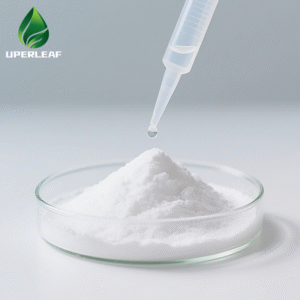
| Appearance | Off-white to light tan powder |
| Solubility | Soluble in acetone, methanol, dimethyl sulfoxide (DMSO); slightly soluble in hexane |
| Storage Conditions | Store in a cool, dry place away from light and heat; keep container tightly closed |
Parameters of cyantraniliprole:
| CAS Number | 736994-63-1 |
| Chemical Name | Cyantraniliprole |
| Molecular Weight | 473.7 g/mol |
| Molecular Formula | C₁₉H₁₄BrClN₆O₂ |
| Synonyms | DPX-HGW86; 3-Bromo-N-[4-chloro-2-methyl-6-[(methylamino)carbonyl]phenyl]-1-(3-chloropyridin-2-yl)-1H-pyrazole-5-carboxamide |
| EINECS | 277-592-8 |
| Appearance | Off-white to light tan powder |
| Solubility | Soluble in acetone, methanol, dimethyl sulfoxide (DMSO); slightly soluble in hexane |
| Storage Conditions | Store in a cool, dry place away from light and heat; keep container tightly closed |
| Melting Point | Approximately 218-220 °C |
| Boiling Point | Decomposes before boiling |
| Density | Approximately 1.6 g/cm³ (at 20 °C) |
| Vapor Pressure | Approximately 1.3 × 10⁻⁹ Pa (at 25 °C) |
| Water Solubility | Approximately 0.91 mg/L (at 20 °C, pH 7) |
| LogP (octanol-water) | Approximately 2.8 |
Chemical Properties and Mechanism of Action:
Chemical structure:
Molecular formula C₁₉H₁₄BrClN₆O₂, molecular weight 473.7. Its structure includes a pyridine ring and a cyano group, which endows it with both contact toxicity and strong systemic translocation properties.
Mechanism of action:
By activating ryanodine receptors (RyR) in insect muscle cells, it causes uncontrolled release of intracellular calcium ions, leading to sustained muscle contraction, paralysis, and eventual death. Compared to the first-generation chlorantraniliprole, cyantraniliprole—through structural optimization replacing a chlorine atom with a cyano group—significantly enhances efficacy against piercing-sucking pests (e.g., aphids, whiteflies).
Application Scope and Target Pests:
Target crops:
Widely used on fruits, vegetables, nuts, rice, cotton, as well as lawns and ornamental plants.
Target pests:
Chewing pests: Lepidopteran larvae (e.g., cotton bollworm, beet armyworm), beetles (e.g., weevils).
Piercing-sucking pests: Aphids, thrips, whiteflies, leafhoppers, etc., with effectiveness against imidacloprid-resistant populations.
Soil-dwelling pests: Grubs, cutworms, etc.
Application methods:
Can be applied via foliar spraying, seed treatment, or soil application. Its systemicity enables bidirectional translocation through xylem and phloem to all parts of the plant.
Environmental and Toxicological Characteristics:
Toxicity:
Low toxicity to mammals, with an acute oral LD₅₀ in rats > 5000 mg/kg; non-irritating to skin and eyes.
Highly toxic to bees (contact toxicity LD₅₀ = 0.025 μg/bee) and moderately toxic to earthworms and aquatic organisms (e.g., fish, algae).
Environmental behavior:
Soil half-life is approximately 34 days, classified as moderately persistent. Hydrolysis rate is pH-dependent (stable under acidic conditions but rapidly decomposes under alkaline conditions).
Relatively safe for birds and natural enemies (e.g., parasitoid wasps), making it suitable for Integrated Pest Management (IPM) systems.
Regulatory requirements:
The U.S. EPA updated labels in 2023, mandating buffer zones and reduced application rates when used near endangered species habitats.
Reviews
There are no reviews yet.