

90% Paclobutrazol TC
| CAS Number | 76738-62-0 | |
| Chemical Name | 90% Paclobutrazol TC | |
| Molecular Weight | 222.67400 | |
| Molecular Formula | C₁₅H₂₀ClN₃O | |
| Synonyms | Paclobutrazol; Cultar; Parlay | |
| EINECS | 278-592-1 | |
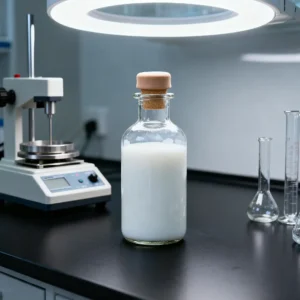
| Appearance | White or off-white crystalline powder with a slight odor. | |
| Solubility | Soluble in water; insoluble in organic solvents (e.g., methanol, acetone, ether) | |
| Storage conditions | Store in a cool, dry and well-ventilated place, and keep the ambient temperature below 30℃. |
Paclobutrazol primarily regulates crop growth by inhibiting the synthesis of gibberellins in plants.
Controlling excessive growth:
For grass crops such as rice, wheat, and corn, spraying during the jointing stage shortens the length of the basal internodes and enhances lodging resistance. For vegetables such as tomatoes and peppers, it prevents excessive stem and leaf growth and promotes nutrient transfer to the fruit.
Promoting flowering and fruiting:
For fruit trees (such as citrus, apples, and pears) and ornamental flowers (such as roses and chrysanthemums), applying it during the flower bud differentiation stage can increase the number of flower buds, improve fruit set rate, or enhance flowering quality.
Strengthening seedlings: For crops such as vegetables and cotton, applying it during the seedling stage can reduce seedling height, thicken leaves, promote root development, and enhance seedling resistance (such as cold and drought resistance).
Regulating harvest timing:
For some crops (such as peanuts and soybeans), applying it can delay leaf senescence, prolong photosynthesis, and promote nutrient accumulation in the underground fruit, thereby increasing yield and quality.
Reviews
There are no reviews yet.