
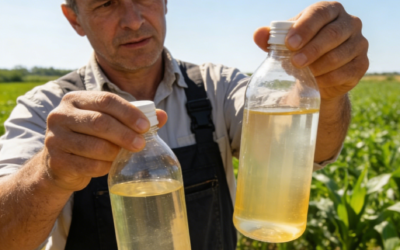
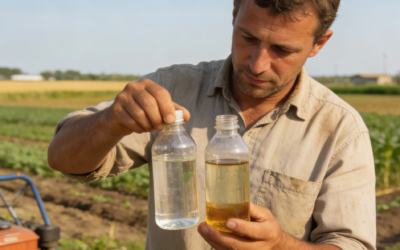
Two major herbicides compete in modern farming: glyphosate and glufosinate.
Glyphosate has been the go-to choice since the 1970s. It dominated fields for decades. Glufosinate is the newer option. It’s gaining ground as weeds build resistance to glyphosate.
Are you dealing with resistant weeds that ignore your glyphosate spray? Or maybe you’re just trying to pick the right Herbicide for your farm. You want to know which one works better.
The answer isn’t as clear-cut as the marketing materials claim.
These two herbicides work differently at the molecular level. Each one performs better in different situations. They also come with distinct environmental concerns and resistance issues.
We’ll break down how each Herbicide works. You’ll see how they perform against different weed types. Most importantly, we’ll help you decide which one fits your farm—or whether you should use both.

Glyphosate dominates the global herbicide market. It makes up about 40% of all Herbicide sales worldwide. That’s $6 billion in annual sales. Farmers spray it on over 300 million acres across the United States alone.
Glufosinate sits in second place. It captures about 10% of the market share. The gap looks massive. But check the growth trends. Glufosinate sales jumped 15% year-over-year in 2023. Glyphosate growth stalled at 2-3%.
The shift makes sense. Resistant weeds now infest over 70 million acres in North America. Palmer amaranth, waterhemp, and kochia resist glyphosate applications that killed them a decade ago. Farmers need alternatives. Fast.
Here’s the kicker: both herbicides come from the same chemical family. But they kill plants through different mechanisms. Glyphosate blocks the EPSPS enzyme. Glufosinate targets glutamine synthetase. These details matter. They determine which weeds die and which ones survive to spread across your fields.
The real question isn’t which herbicide wins overall. It’s which one wins for your specific situation.
Mode of Action Comparison
Spray these herbicides, and plant cells die in two different ways.
Glyphosate shuts down the EPSPS enzyme. This enzyme powers the shikimate pathway. Plants use this pathway to make aromatic amino acids. These amino acids form proteins, hormones, and cell walls. Block EPSPS, and the system fails. It takes time.
The plant doesn’t know it’s dying at first. Growth continues for days. Yellowing starts around day 7. Full death hits by day 14. The herbicide moves through the phloem—the plant’s food transport system. It reaches roots and growing points. Every part gets poisoned. Deep-rooted perennials can’t escape either.
Glufosinate works faster and harder.
It blocks glutamine synthetase. This enzyme turns toxic ammonia into safe amino acids. Stop this process, and ammonia floods plant cells. Cell walls break. Chlorophyll dies. You’ll see yellowing within 24 hours. Complete death shows up in 2-4 days.
Here’s the catch: glufosinate doesn’t move through the whole plant. It travels some, but not far. We classify it as a contact herbicide with limited spread. Hit the leaves, kill the leaves. Miss a spot? That spot lives.
These different enzyme targets put them in separate IRAC groups. Glyphosate sits in Group 9 (EPSP synthase inhibitors). Glufosinate belongs to Group 10 (glutamine synthetase inhibitors). This matters for managing resistance. A weed resistant to glyphosate’s EPSPS block won’t resist glufosinate’s GS shutdown.
Field data backs this up. Over 50 weed species worldwide now carry EPSPS mutations. These mutations give glyphosate resistance. Some populations show 100-fold resistance through EPSPS gene copies. Glufosinate? Just 3 resistant weeds on record. Lolium rigidum leads with 10-20x resistance through GS overproduction.
Application rates show another difference. Glufosinate works at 0.4-0.8 kg/ha. This gives 85-95% control on broadleaves and grasses within 3 days. Glyphosate needs 0.75-1.1 kg/ha. It achieves 90-100% control on perennials—after waiting 10 days.
Speed versus completeness. That’s the real choice between these two.

Weed Control Spectrum
Glyphosate kills almost everything green. That’s its superpower and its problem.
Broadleaf weeds fall first. Dandelions, pigweeds, lambsquarters—they die within two weeks. Annual grasses follow. Foxtails, crabgrass, and barnyard grass collapse after their leaves absorb enough glyphosate. Perennial nightmares? Glyphosate handles those too. Canada thistle, quackgrass, and field bindweed get wiped out. Roots and all.
The spectrum covers over 100 weed species. You can apply it after weeds emerge. It works on tiny seedlings and full-grown plants. This flexibility made glyphosate the backbone of no-till farming.
But here’s where things get tricky.
Glufosinate covers less ground. It works best on broadleaf annuals—pigweed, lambsquarters, common ragweed. Control rates hit 85-95% within days. Annual grasses respond well too. Size matters here. Catch barnyard grass under 10 cm tall? You’ll see 90% control or better.
The size window matters more with glufosinate. Yellow nutsedge at any growth stage? Dead. 100% visible control. 100% mortality. Zero biomass production in controlled tests. Rice flatsedge at 10 cm tall gets crushed—90% control minimum. Let that same rice flatsedge grow to 25 cm? Still 93% control or greater.
Perennials show glufosinate’s weakness. It doesn’t move through the whole plant. Field bindweed and Canada thistle laugh at single applications. The tops burn down fast. Roots survive. Regrowth starts within weeks.
Real-world data shows the performance gaps. California arrowhead in rice fields: spray applications of florpyrauxifen-benzyl (a synthetic auxin, different class) hit 50% control with coated urea delivery. Switch to foliar spray? Control jumps higher. Yellow nutsedge? Same pattern—76% with coated urea, better results with direct spray.
Ducksalad breaks the pattern. Coated urea applications beat sprays at five weeks after treatment. The sustained release matters more than contact speed for certain aquatic weeds.
Barnyard grass shows another limit. Glufosinate coated on urea at standard rates gave poor results: 27% visible control, 24% mortality, 87% of the biomass still alive at 4-5 weeks. Spray applications crushed it.
The resistance picture tells the rest. We’re dealing with 540 unique cases of herbicide-resistant weeds worldwide. That’s 273 different weed species—156 broadleaves and 117 grasses—that built up resistance to various herbicides.
Glyphosate resistance leads these numbers. Over 50 species worldwide carry mutations that block glyphosate’s killing power. Glufosinate? Just three resistant species on record. The narrow spectrum becomes a plus as resistance pressure builds.
Neither herbicide wins on spectrum alone. Glyphosate covers more weeds but faces massive resistance. Glufosinate hits fewer targets but stays effective. Your weed pressure picks the winner.
Application and Effectiveness
Timing controls herbicide success. Spray too soon, and you waste product on weeds that haven’t shown up yet. Wait too long, and weeds resist chemical control.
Glyphosate offers flexibility. Spray weeds at 2-6 inches tall. You can also wait until they hit 12 inches. The herbicide moves through the whole plant. It travels from leaves to roots, no matter the plant size. Farmers use rates between 0.75-1.1 kg active ingredient per hectare. These rates control 90-100% of most target weeds in good conditions.
Temperature has less impact on glyphosate than expected. It works in cool weather (50-60°F). It also works in hot conditions (above 85°F). Performance dips a bit at extreme temperatures. But plants still die. The kill just takes longer—sometimes 21 days instead of 14.
Rain causes bigger issues. Glyphosate needs 4-6 hours to soak into leaf tissue. Rain during this time washes away the active ingredient. You lose 50% effectiveness with rain at 2 hours after spraying. Wait the full 6 hours? You’re safe. The herbicide has already entered the plant and started moving through it.
Glufosinate works on a tighter schedule. Best results happen at 2-4 inches of weed height. Stretch to 6 inches, and control drops from 95% to 75%. This contact-based killer doesn’t work as well on older, tougher plant tissue. Application rates run 0.4-0.8 kg/ha—lower than glyphosate. But you need perfect coverage. Miss a leaf? That leaf lives.
The weather window gets smaller too. Glufosinate likes warm, sunny days between 70-85°F. Plants grow fast. Stomata stay open. The herbicide enters cells quicker. Drop below 60°F, and effectiveness falls 20-30%. The ammonia that kills plants builds up slower in cold weather.
Here’s a key detail: glufosinate needs just 1-2 hours dry time before rain. That’s 3-4 hours faster than glyphosate. But you can’t spray in direct sunlight. UV light breaks down glufosinate on leaf surfaces. Spray in the morning or late evening. Mid-day heat cuts effectiveness by up to 40%.
Tank mixing changes how both herbicides perform. Glyphosate mixes well with most partners. Add 2,4-D to boost broadleaf control. Mix in dicamba for kochia and pigweed. Products like metribuzin extend control for weeks after you spray. These combos work because glyphosate’s movement through the plant doesn’t clash with contact herbicides.
Glufosinate gets fussy about partners. It mixes well with Group 14 inhibitors (PPO inhibitors like fomesafen). This combo kills Palmer amaranth and waterhemp before they reach 4 inches. But glufosinate clashes with certain ALS inhibitors. The ammonia buildup fights against amino acid blockers. Mix them anyway, and you’ll see 15-25% less control.
Water quality affects both products. Hard water (above 300 ppm) binds glyphosate molecules. You lose strength. Add ammonium sulfate at 17 pounds per 100 gallons of spray mix. This fixes the problem. The ammonium ions free up glyphosate to enter plants. Glufosinate handles hard water better—up to 500 ppm without losing power.
Coverage needs separate these herbicides the most. Glyphosate forgives poor spraying. You need 50-60% leaf coverage for full control. The movement through the plant spreads the herbicide everywhere. Glufosinate demands 80-90% coverage. Every leaf needs direct hit. This means slower travel speeds (3-4 mph versus 5-6 mph). You need higher spray volumes (15-20 gallons per acre versus 10-15). You also need smaller droplet sizes (200-300 microns).
Field data from Midwest corn and soybean farms shows clear differences. Farmers using glyphosate finish spraying at 40-50 acres per hour. Glufosinate users drop to 25-35 acres per hour to keep good coverage. The time difference adds up fast across 1,000+ acre farms.
Cost per acre tells a different story. Glyphosate generic versions run $6-8 per acre at standard rates. Branded glufosinate products cost $12-16 per acre. But these numbers change with resistance. Spray Glyphosate on resistant Palmer amaranth, and your $8 spray gives zero control. Switch to glufosinate, and that $14 spray delivers 90%+ knockdown.
Pros and Cons
Each herbicide brings advantages that matter in different farming scenarios.
Glyphosate wins on reach and economics. It moves through the entire plant system. Spray the leaves, kill the roots. You get 90-95% control on tough perennial weeds like johnsongrass and quackgrass. Field bindweed with its deep taproot system? Glyphosate tracks it down and destroys it. The systemic movement means you need less precision. 50-60% leaf coverage still delivers full plant death.
Cost stays the biggest draw. Generic glyphosate runs $8-12 per acre at effective rates. That’s 25-50% cheaper than glufosinate applications. For a 1,000-acre operation, you save $7,000-12,000 per season. The math gets simple fast.
But resistance destroys this value. Over 50 weed species developed glyphosate resistance. Spray resistant Palmer amaranth, and you watch your money run down the field while weeds keep growing. Some populations show 80% failure rates. Speed works against you too. Weeds keep growing for 7-14 days after treatment. They set seed and steal nutrients during those two weeks.
Glufosinate counters with speed and resistance management. Visible weed death shows up in 2-4 days. Ammonia floods cells. Plants collapse. This matters for stopping seed production or protecting crop yield during critical growth stages. Just 3 weed species carry glufosinate resistance. You get 90%+ control on resistant Palmer amaranth and waterhemp. Fields stay clean where glyphosate fails.
The contact action creates safety buffers too. Glufosinate stays 70-80% more confined to sprayed tissue. Drift hits a soybean leaf? That leaf might burn, but the plant survives. Glyphosate drift moves through the whole plant and kills it.
These benefits cost you. $15-20 per acre adds up. Perennial grass control drops to 50-60%. Glyphosate delivers 90-95%. You’ll need follow-up treatments on anything with deep roots or rhizome systems.
Resistance and Use Cases
Resistant weeds don’t care about your herbicide budget or yield goals—they just keep growing.
Glyphosate resistance spread faster than anyone predicted in the 1990s. The first confirmed case hit Australian ryegrass in 1996. By 2024, we’re tracking over 50 species with documented resistance around the world. Palmer amaranth leads the nightmare list. Some populations carry 80-100 EPSPS gene copies. That’s not a typo. Eighty copies of the enzyme glyphosate tries to block. Spray rates that killed their ancestors? They now fail 95% of the time.
The mechanism makes sense once you see it. Plants with extra EPSPS genes produce more of the target enzyme. Glyphosate blocks one copy. Dozens of others keep working. The shikimate pathway stays open. Amino acids get made. The plant survives, sets seed, and spreads resistance to the next generation.
Waterhemp follows the same pattern across the Midwest. Fields relied on glyphosate-only programs for 15+ years. Now they face total control failure. Kochia in the Great Plains shows 10-20x resistance through EPSPS mutations. Italian ryegrass in the Southeast resists rates 3-4x higher than label recommendations.
Glufosinate resistance stays rare—just three confirmed species exist. Lolium rigidum (Italian ryegrass) tops the list with 10-20x resistance. But here’s the catch: these populations built resistance through glutamine synthetase overproduction. Not gene copying. The plant makes more enzyme. Glufosinate blocks it slower. You need higher rates, but control still works at 1.2-1.5 kg/ha.
Use glufosinate:
– Glyphosate-resistant weeds dominate your fields (Palmer amaranth, waterhemp, kochia)
– Fast burndown matters more than deep root kill (pre-plant applications)
– You’re rotating herbicide modes to delay resistance buildup
– Weather permits (warm, dry conditions for 2+ hours)
Use glyphosate:
– Perennial weeds need complete elimination (field bindweed, Canada thistle, quackgrass)
– Cost drives decisions and resistance isn’t confirmed
– Rain threatens in 6 hours (glufosinate needs just 1-2 hours, but glyphosate forgives poor coverage better)
– You’re treating mixed weed populations with no resistance history
The smart play? Rotate both. Mix modes of action. Keep resistance at bay while these tools still work.
So , is There a Clear Winner?
No herbicide wins every battle. Pretending one does sets you up for failure.
Glyphosate dominates for complete plant death, root to tip. It kills perennials that glufosinate just burns back. It costs 40-60% less per acre. For farms without resistance issues, this is the logical choice. Spray it on field bindweed, Canada thistle, or johnsongrass. Wait two weeks. Problem solved.
But resistance changes everything. Over 70 million acres in North America now grow glyphosate-resistant weeds. Palmer amaranth populations carry 80-100 EPSPS gene copies. Your standard rate fails 95% of the time. The savings vanish because you’re spraying dead money on living weeds.
Glufosinate wins the resistance game. Three resistant species exist worldwide. Glyphosate has 50+. It kills resistant Palmer amaranth and waterhemp at 90%+ rates. Speed matters too. You see visible death in 2-4 days versus glyphosate’s 7-14 day timeline.
The trade-off? You pay higher costs ($15-20/acre). Perennial control is weaker (50-60% vs 90-95%). Application demands more precision. Miss 20% leaf coverage, and you lose 30-40% effectiveness.
The real winner depends on your field conditions. It depends on weed pressure and resistance status. Most farms need both herbicides in rotation. This manages resistance and maximizes control across different weed types.

The glufosinate versus glyphosate debate? There’s no clear winner here, and that’s fine.
Your best move? Treat these herbicides as tools, not enemies. Glyphosate gives you broad-spectrum control at a lower cost. Glufosinate handles resistance management and works great before harvest. The real win? Knowing which one fits your specific needs.
Got glyphosate-resistant weeds? Glufosinate might be your answer. Running a conventional no-till system? Glyphosate still works well for that. Even better – rotate between them to stop resistance from building up.
The bottom line: There’s no “perfect” herbicide (spoiler: it doesn’t exist). Build a smarter weed management program based on rotation. Your fields will be healthier. Your future self will thank you for thinking past the either/or choice.

0 Comments