
If you’ve stared at a patch of stubborn weeds and wondered what will get the job done, you’re not alone. People talk about glyphosate as the magic fix. But does it work for all weed types? I’m talking about annual, perennial, grassy, or even woody weeds. The answer isn’t as simple as it seems. There’s some critical factor most folks miss. This factor can make or break your weed control efforts…
Annual Broadleaf Weeds
Glyphosate works well at controlling annual broadleaf weeds across many cropping systems. It’s a systemic, non-selective herbicide. Glyphosate targets the EPSPS enzyme. This stops protein production. Weeds wilt and brown out over several days.
How Glyphosate Works Against Annual Broadleaf Weeds
- Best applied when weeds are small: Small, young annual broadleaf weeds are more sensitive to glyphosate. Apply it soon. Fewer weeds will reach flowering or set seeds.
- No residual soil effect: Glyphosate affects weeds present at spray time. New weeds that sprout after application won’t be affected. You may need more applications. Or tank-mix with a residual herbicide for full-season control.
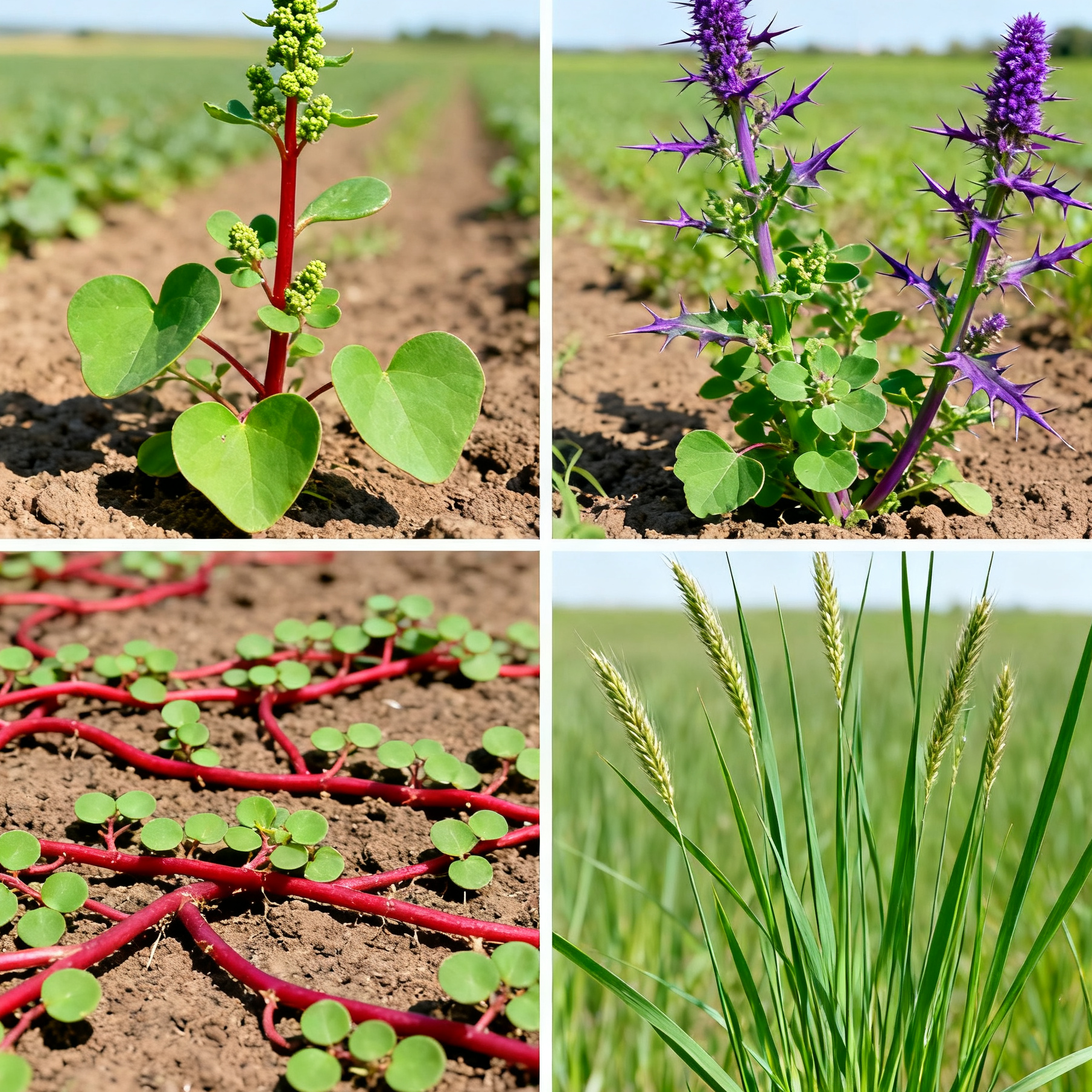
| Category | Common Annual Broadleaf Weeds Controlled by Glyphosate |
|---|---|
| Weed Species |
|
Efficacy and Application Details
You’ll see wilting and yellowing within 2–4 days. Cool or cloudy weather can delay these effects.Glyphosate works less well on larger weeds. Drought stress reduces effectiveness. Spray time also matters. Small, healthy seedlings respond best.Glyphosate can achieve 90–100% control of pigweed, lambsquarters, and ragweed at recommended rates. Some species like morningglories or velvetleaf may need higher rates. You might need to spray again as they mature.I recommend spraying at midday for optimal results. Plants are more active then. They take up the herbicide better. Morning or evening applications are less effective.
Also,lyphosate lacks residual activity in the soil. So, I suggest mixing it with residual herbicides. Or use sequential applications. This helps control late-emerging annual broadleaf weeds.Based on my experience, glyphosate remains one of the most dependable broad-spectrum herbicides for postemergence control of annual broadleaf weeds. I recommend integrating it with smart weed management strategies for best results.
Perennial Broadleaf Weeds
Glyphosate works well against many perennial broadleaf weeds. It targets both the growth above ground and the deep root systems. The herbicide moves from the leaves down into the roots. I find this action very useful for weeds with deep roots.
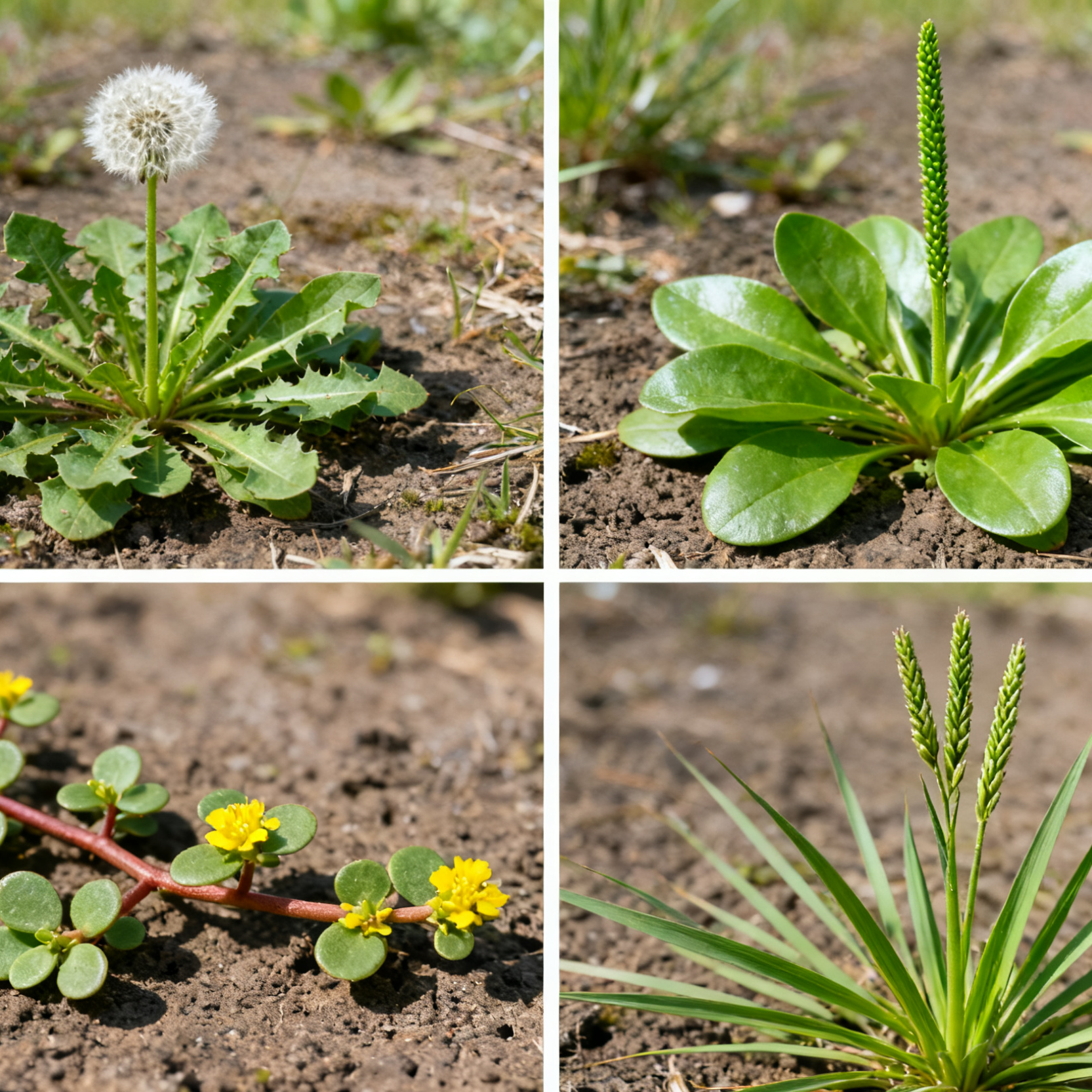
| Weed Name | Scientific Name | Glyphosate Effectiveness |
|---|---|---|
| Canada thistle | Cirsium arvense | Controlled |
| Dandelion | Taraxacum officinale | Controlled |
| Field bindweed | Convolvulus arvensis | Controlled |
| Poison ivy | Toxicodendron radicans | Controlled |
| Dock | Rumex crispus | Controlled |
| Milkweed | Asclepias syriaca | Controlled |
| Plantain species (broadleaf and buckhorn) | Plantago major and P. lanceolata | Controlled |
| Horsenettle | Solanum carolinense | Controlled |
| Wild carrot | Daucus carota | Controlled |
| Creeping Charlie | Glechoma hederacea | Mixed results |
| Virginia creeper | Parthenocissus quinquefolia | Controlled |
Application Timing and Methods
I recommend applying glyphosate when weeds are growing fast. They should look green and healthy, pulling nutrients from the soil. Based on my experience, late summer through fall works best for most perennial weeds. You can catch them just before winter arrives.
I always spray before plants go dormant. The herbicide flows down to the roots where it works best. For stubborn evergreen perennials like English ivy on your fence, I suggest spraying in spring. Their systems absorb the product better at that time.
Here’s what I’ve learned: don’t mow weeds right before or after you spray. Each leaf acts like a solar panel. More leaf surface means better absorption. Let the weeds regrow and develop lots of foliage. This helps the product work better.
I always use surfactants and adjuvants in my toolkit. They break down the waxy coating on leaves. The herbicide can then go deeper into the plant. It works faster this way. I’ve seen these boosters turn good results into great ones. The difference is clear.
Factors Influencing Performance
Results drop if weeds suffer from drought, disease, or insect damage.Tougher or older infestations may need higher rates or more applications.Some perennial species now show resistance.But this is less common than among annual weeds.I’ve tackled Canada thistle in several tough patches over the years. I managed to reach a 90–95% control rate when I stick to best practices.The first time I faced a thick infestation, I tried different product rates. I still got solid results.In another case, the weeds were dense and persistent. It had to use the higher rates to knock them back.
My takeaway? I suggest you assess how thick your thistle is growing before you decide on a rate.I recommend inspecting the field with your own eyes. Feel how tough and rubbery those stems are. Notice how they crowd out other plants. This gives you a much better sense of how aggressive you need to be.
Based on my experience, staying responsive like this has saved me both time and money. Plus, there’s nothing like the satisfaction of seeing a clean, healthy field again.
Integrated Approach for Long-Term Success
I suggest use glyphosate with other chemical methods or field practices for tough perennials.Check treated areas for new growth. Spray again when needed.Based on my experience, long-term control works best when you combine herbicides with good field care and crop rotation.
Glyphosate remains a key tool for perennial broadleaf weed control. But you need to pay close attention to timing and how you use it. I suggest using a full weed management plan to get the best results.
Annual Grasses
Glyphosate works well to control many annual grasses. It’s a nonselective, systemic herbicide. The chemical moves through the whole plant. It stops the EPSPS enzyme. This blocks amino acid production. Susceptible grass weeds die as a result.
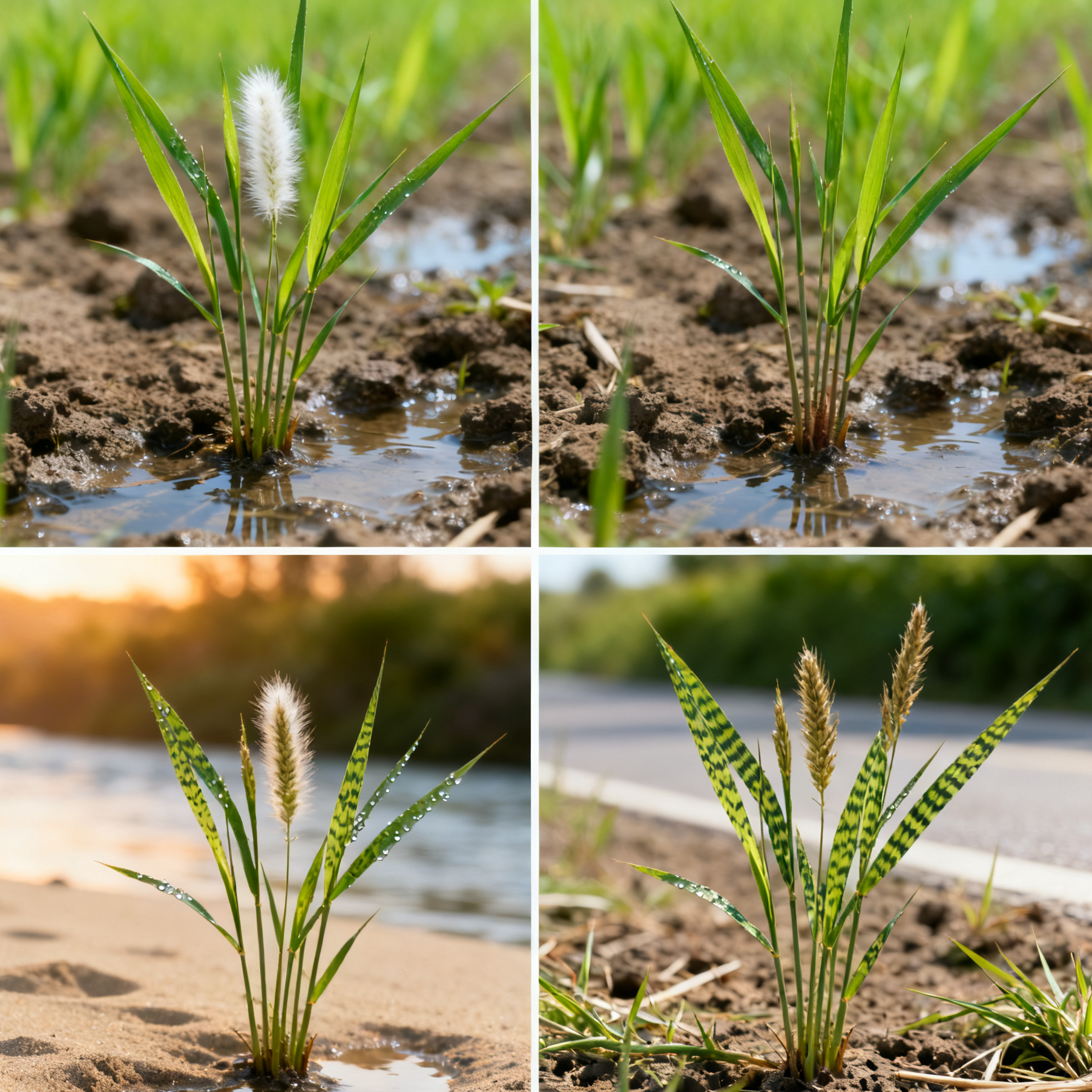
| Category | Grass Name | Scientific Name | Notes |
|---|---|---|---|
| Common Annual Grasses Controlled by Glyphosate | Giant foxtail | Setaria faberi | |
| Barnyardgrass | Echinochloa crus-galli | ||
| Crabgrass | Digitaria spp. | ||
| Johnsongrass seedlings | Sorghum halepense (annual stage) |
Efficacy Notes and Resistance Management
Glyphosate controls grasses in turf, nurseries, croplands, and pre-plant burndown. It works across many settings.Using glyphosate too often has created resistant populations in some annual grasses. I suggest using it as part of a broader weed management plan. This cuts resistance risk.New weed seedlings may show up after spraying. I recommend residual herbicides for full annual grass control.
Performance and Practical Data
- Usage: Glyphosate is the top herbicide for annual grass control in the U.S. nursery sector. More growers use it than any other option.
- Application seasons: Fall and spring burndown treatments are common. Most growers use them before forage or turf seeding.
Summary and Sustainability Strategies
Glyphosate can control more than 40 types of annual grass weeds worldwide.At the right stage, typical control rates reach up to 95%.For sustainable annual grass management, I suggest mixing glyphosate with other tactics. Try mechanical removal. Rotate crops to dense forages. Monitor often for herbicide resistance. Based on my experience, this combined approach gives the best long-term results.
Perennial Grasses
Glyphosate works well at killing perennial grasses. It moves from the leaves into the rhizomes, stolons, and roots. This kills both the parts above and below ground. I recommend glyphosate because it targets the whole plant system. This makes it great for tough perennial grass problems.
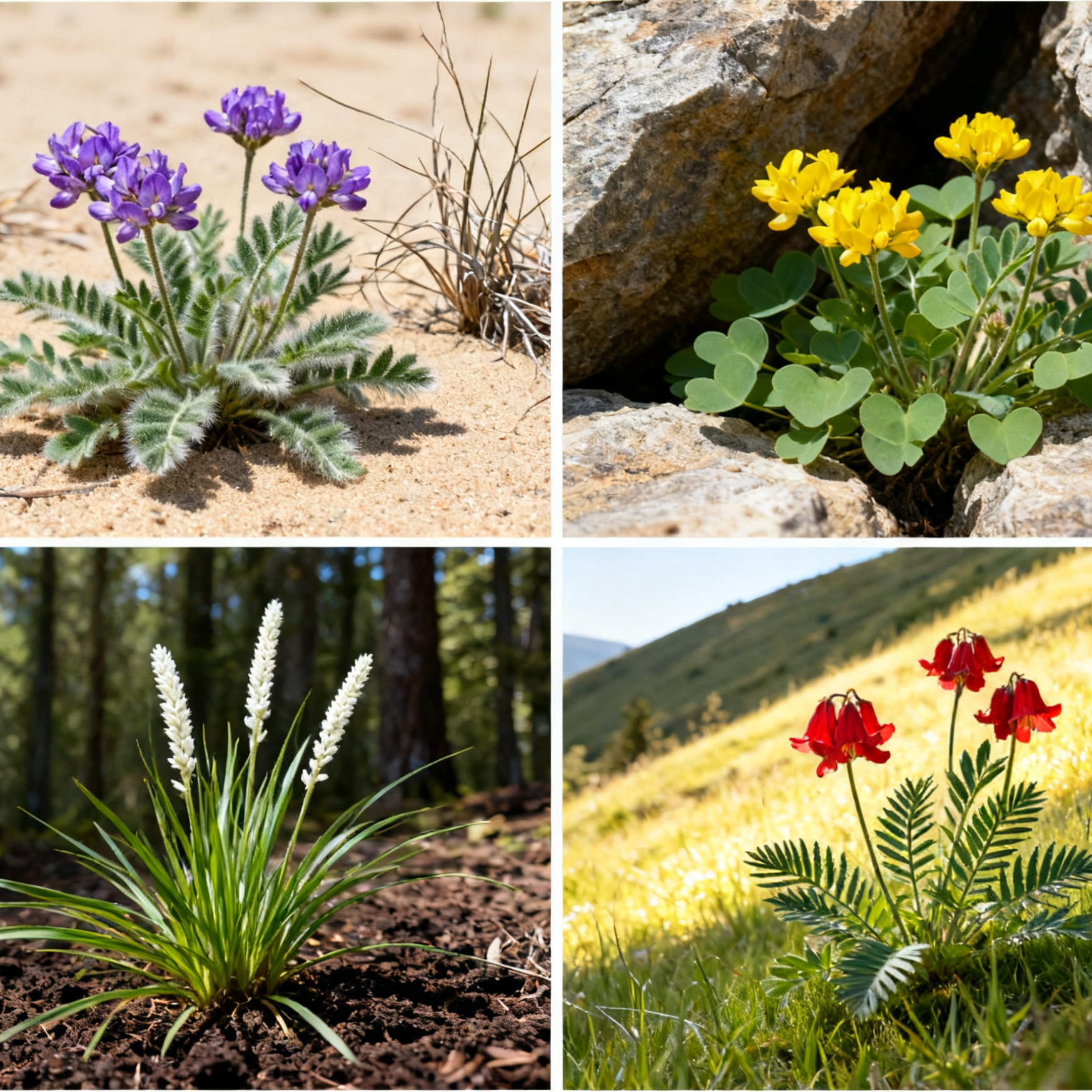
| Perennial Grass Name | Scientific Name |
|---|---|
| Quackgrass | Elymus repens |
| Zoysiagrass | Zoysia spp. |
| Bentgrass | Agrostis spp. |
| Nimblewill | Muhlenbergia schreberi |
| Tall Fescue | Festuca arundinacea |
| Orchardgrass | Dactylis glomerata |
| Bermudagrass | Cynodon dactylon |
| Phragmites (common reed) |
These grasses can be hard to get rid of in lawns, turf, nurseries, and restoration areas. They need focused control to manage them well.
Application Timing and Effectiveness for Perennial Grasses
- Active growth is critical: Use glyphosate when perennial grasses are growing strong. The best time is at the boot stage (first visible sign of flowering). For warm-season grasses like Zoysiagrass and Bermudagrass, summer growth is best.
- Midday application: I suggest spraying at midday. Plant activity is highest then. This gives the best results.
- Visible effects: Symptoms show up 7 days or more after treatment. You will see wilting first. Then yellowing. Finally, browning as shoots and roots die.
- Repeat treatments: Grasses like Zoysiagrass and Bermudagrass often need more than one application. This kills established plants fully.
Suggested Glyphosate Rates and Usage Methods
Use a 1–2% glyphosate solution for most perennial grasses. Make sure no rain falls for at least 10 hours after you spray. This ensures the best results.Dense or tough grasses may need more than one treatment. Watch for regrowth. Spot-treat as needed.Glyphosate is non-selective. It will kill all plants it touches. I recommend spot treatments for turf or mixed areas. This avoids damage to plants you want to keep.
Data, Market Information, and Use Cases
More than 36 glyphosate products are on the market. They address different weed problems.Based on my experience, glyphosate works best before lawn renovation or turfgrass establishment. It also helps control invasive species like Phragmites in wetlands and restoration sites.It has no residual soil activity. This means quick turnaround. You can seed new turf or crops as soon as the seedbed is ready after treated grasses die.Glyphosate’s environmental and health risk is very low. This encourages its wide use for weed management.
Summary and Best Practices
Glyphosate gives steady, strong control of perennial grass weeds. It reaches and kills roots and rhizomes because of its system-wide action.Use it when grasses are in an active growth phase. I suggest a 1–2% solution. Some tough species may need several applications.You can reseed fast because it does not stay in the soil. This makes glyphosate a go-to choice for pasture, lawn renovation, and pre-crop weed removal.
Woody Plants / Shrubs
Glyphosate works well as a systemic herbicide for woody shrubs and invasive vines. You can use it as a foliar spray or cut-stump treatment. It handles tough brush and resprouting species.
Glyphosate Application Techniques and Timing for Shrubs and Vines
If you need Foliar application,Late summer through fall works best for deciduous woody plants. Apply before leaf drop. I suggest concentrations from 1% to 6%.When cut-stump and stem-injection,Use a 25% glyphosate solution. Apply it right after making fresh cuts. This gives you maximum herbicide uptake.For resprouting vines and deep-rooted shrubs, use multiple applications. Combine them with mowing or cutting. This increases long-term control.Basal bark and foliar treatments Use 1–6% glyphosate on young trees and woody shrubs. Apply with caution to avoid drift and damage to other plants.
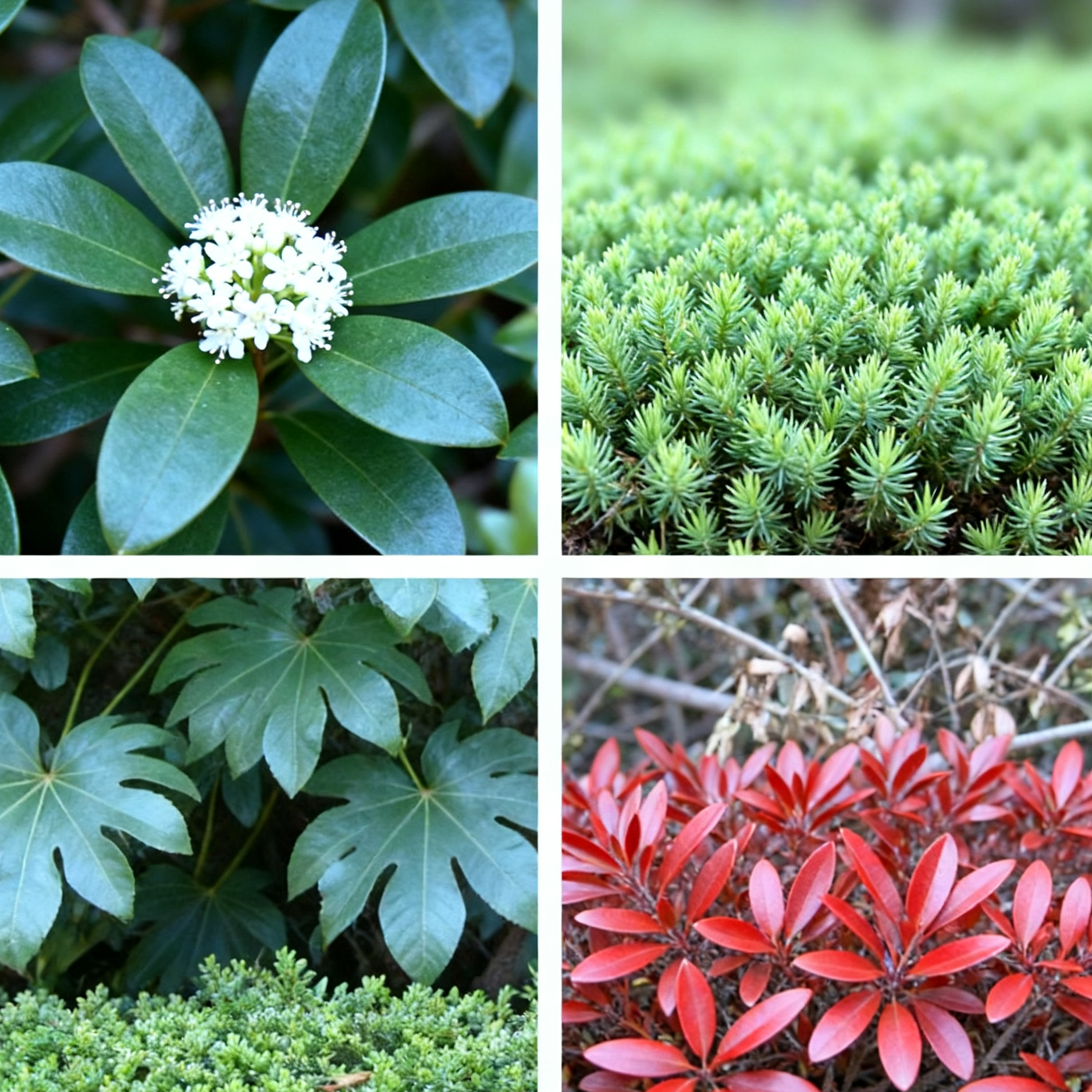
| Species/Group | Application Method | Glyphosate Concentration | Effectiveness |
|---|---|---|---|
| Akebia quinata | Foliar (Roundup) | 6% (~32 kg ae/ha) | 0% cover after 2 treatments |
| Euonymus fortunei | Foliar + pre-mow | 1.6–2% | <4%–20% regrowth at 3 years |
| Hedera helix | Foliar | 4.5 kg ae/ha (twice) | Controlled for at least 1 year |
| Vinca minor | Cut vine, foliar | 2–5% | 0–50% recovery at 1 year |
| Bush honeysuckle | Cut-stump/stem-drip | 25% | Close to 100% root kill |
| Black swallowwort | Foliar | 2% | >60% stem, >80% biomass reduction |
| Purple loosestrife | Foliar | 1–2% | Very effective after bloom |
I recommend pairing multiple applications with cutting or mowing for deep-rooted shrubs. This works best for shrubs that resprout often.Use physical protection or hand-weeding near valuable trees. This prevents accidental glyphosate exposure.The systemic action of glyphosate works great for tough brush. It moves to roots and stops regrowth.Based on my experience and research, persistent and targeted glyphosate use offers the best strategy. Combine it with non-chemical methods for permanent control of problem woody species.
Aquatic Weeds
Glyphosate is a broad-spectrum herbicide that works well on many emergent and shoreline aquatic weeds. But it won’t work on plants that are completely underwater. The herbicide soaks into plant leaves. It moves through the plant system. Then it blocks a key enzyme the plant needs to make amino acids. This kills the targeted weeds over time.
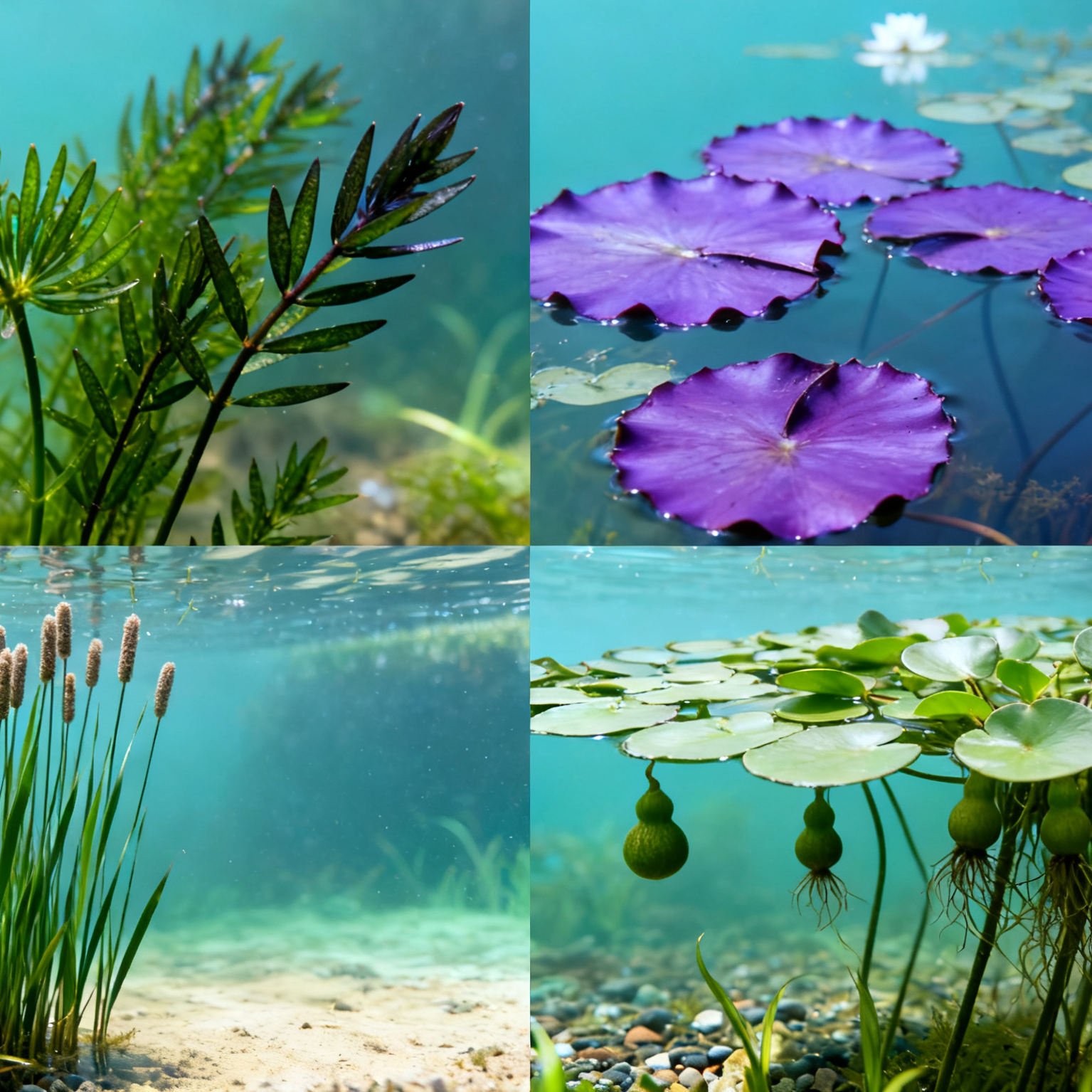
| Common Name | Scientific Name | Notes |
|---|---|---|
| Water lilies | Nymphaea spp. | |
| Cattails | Typha spp. | |
| Purple loosestrife | Lythrum salicaria | |
| Phragmites | Phragmites australis | |
| Alligator weed | Alternanthera philoxeroides | |
| Parrotfeather and other emergent, exposed species | Myriophyllum aquaticum | Includes other emergent, exposed species |
Application Guidelines and Effectiveness
I recommend using aquatic-labeled glyphosate products. Good options include Rodeo®, AquaMaster®, AquaNeat®, and Eraser AQ®. Spray the product on leaves and stems above the water line. Focus on the parts you can see.This gives you the best results.You’ll see first symptoms 4–7 days after spraying annuals. Perennials and woody species take longer. They may wilt and turn brown after 2–3 weeks. This helps control regrowth or thick patches. Missed plants and dense stands often need two or more sprays.
Key Performance Data and Practical Notes
I recommend glyphosate for shoreline, floating-leaved, and emergent aquatic weeds.Follow all product labels, local rules, and environmental protection guidelines.Plant control takes several weeks. Plan your spraying schedule with this in mind.Check your treatment area often. Repeat treatments if needed. This ensures long-term control and stops unwanted regrowth.
I’ve worked with glyphosate for years across many landscapes. I learned one key thing: you need to know your weeds and time your spray right.Are you dealing with tough perennials? Or maybe you’re controlling annual weeds? Either way, I find glyphosate to be one of the most useful tools we have.But here’s what I suggest: use it as part of a full weed control plan. Watch your fields closely. Spray at the right time. You’ll get the results you want.

0 Comments