Chlorothalonil
Chlorothalonil is a non-systemic, broad-spectrum protective fungicide with a stable mode of action. It mainly inhibits the germination of fungal spores and prevents a wide range of fungal diseases in crops, showing excellent efficacy against downy mildew, powdery mildew, anthracnose, leaf spot and other diseases. It does not penetrate into plant tissues but forms a protective film on the surface, with good rainfastness and long residual effect. It is widely used in fruit trees, vegetables, rice, flowers and various crops, and is one of the most commonly used protective fungicides in agricultural production.
1. Basic Information
Common Name: Chlorothalonil
Chemical Name: Tetrachloroisophthalonitrile (2,4,5,6-Tetrachloro-1,3-benzenedicarbonitrile)
Molecular Formula:
CAS No.: 1897-45-6
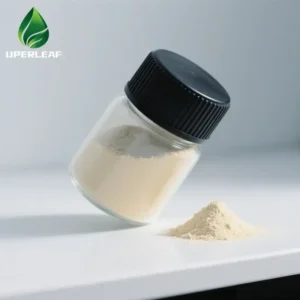
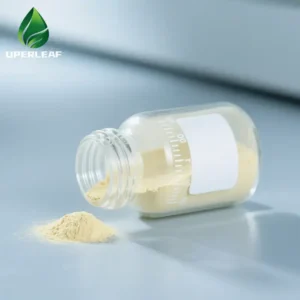
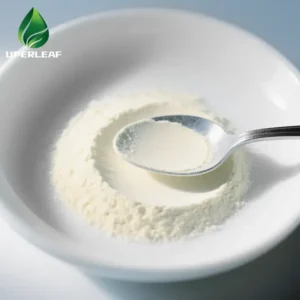
Physical State: White odorless crystalline solid
Chemical Class: Chlorinated benzonitrile protective fungicide
2. Mode of Action
Typical protectant fungicide with no systemic translocation.
Acts on multiple enzyme proteins in fungal cells, disrupting energy metabolism and respiration.
Inhibits spore germination and mycelial growth; acts preventively.
Extremely broad-spectrum, effective against a wide range of fungal diseases.
3. Key Features
Broad-spectrum protection: Stable control of downy mildew, early blight, late blight, leaf spot, anthracnose, rust, powdery mildew, etc.
No cross-resistance: Multi-site action, very low resistance risk.
Strong adhesion: Rainfast, long residual activity.
Safe application: Safe for most crops at recommended rates, suitable for multiple growth stages.
Showing all 3 results