
Garden pests show up just as your vegetables start to thrive. Aphids cluster on tender bean shoots. Whiteflies swarm your tomatoes. Beetles munch through cucumber leaves like they’re at a buffet.
Imidacloprid is a systemic insecticide that works from the inside out. This product can protect your harvest well, but edible plants need a different approach than ornamentals. Get the timing wrong and you waste your time. Choose the wrong formula and you risk food safety. Miscalculate the dosage and the same problems happen.
The good news? You can protect your garden with confidence. You just need to know how imidacloprid works in vegetable plants. You need products labeled for edible crops. You need application methods that balance pest control with safety. This guide covers everything—from reading product labels to calculating the right amount for your vegetables. No more second-guessing every tomato you pick.

Understanding Imidacloprid
Imidacloprid comes from the neonicotinoid family. These are lab-made compounds based on nicotine’s bug-killing traits. The chemical formula C₉H₁₀ClN₅O₂ shows a molecule with a pyridine ring connected to an imidazolidine structure. A nitro group does most of the work against pests.
This white to beige crystalline powder weighs 255.66 g/mol per molecule. Its CAS number is 138261-41-3. Here’s what makes it work well in gardens: it barely dissolves in water. You get just 0.061 g per 100 mL at room temperature. Low water solubility means it stays in soil longer. Plants get protection for weeks instead of losing it after the first rain.
The commercial product contains mostly the E-isomer. This is the more stable and active form. It melts at 144°C and has very low vapor pressure (3 × 10⁻¹² mmHg at 20°C). Imidacloprid stays where you put it. It won’t evaporate while you’re treating tomato plants on a hot afternoon.

How It Works in Plants: Apply it to soil or spray it on leaves. Vegetables soak up imidacloprid through roots and foliage. Rat studies show 92-99% oral absorption. Plants work the same way. The chemical travels through the plant’s vascular system—that’s the “systemic” part. It builds up in new growth where aphids and whiteflies eat.
Inside an insect, imidacloprid attaches to receptors in the nervous system. Pests get paralyzed within hours. Death comes within 24-48 hours. The molecule stays stable at normal soil pH levels (5-7). At pH 9, you see just 7% breakdown over 355 days. Sunlight speeds things up. About 48% turns into byproducts like 6-chloronicotinic acid within two hours of direct sun exposure.
Safety Precautions Specific to Vegetable Garden Use
Imidacloprid protects your vegetables from pests. But edible crops need stricter safety practices than flowers or lawn grass. The chemical enters plant tissue and stays there. Each application needs careful timing and proper technique to keep your harvest safe.
Pre-Harvest Intervals (PHI) Matter Most
PHI tells you how many days to wait between treatment and harvest. Tomatoes need 21 days. Leafy greens often require 7-14 days. Cucumbers vary by product—check your specific label. Breaking these rules means eating vegetables with residue levels above EPA safety limits. Mark treatment dates on a calendar. Set phone reminders. Don’t guess.
Master Gardener training programs show a knowledge jump from 56% to 87% accuracy after proper instruction (N=92, p<0.05). The biggest lesson? Follow label directions exactly. Post-training surveys revealed 86% of participants learned new information. 72% planned to change their gardening practices. Most errors happen from assumptions, not from lack of care.
Soil and Water Safety Create Multiple Risks
New England home gardeners scored 59-74% correct on food safety surveys. These covered soil preparation through post-harvest handling. Just 41% of 56 test items met the 80% mastery standard. The gaps show up in contamination sources most gardeners overlook.
Fresh manure carries Salmonella, E. coli, Norovirus, Listeria, and Hepatitis A. Decompose it for at least 4 months before planting. This waiting period reduces biological hazards. It also prevents nitrogen burn. Compost piles, irrigation water, and garden soil can harbor pathogens. These stick to produce surfaces.
Leafy greens, sprouts, and melons face the highest contamination risk. They grow in direct soil contact. Never reuse wash water between batches of vegetables. Cross-contamination spreads pathogens fast. Fence pets out of vegetable beds. Dog and cat feces introduce parasites and bacteria that persist in soil.
Site Selection Prevents Long-Term Problems
Plant your vegetable garden far from sewage systems. Avoid animal compost piles, farm animals, and flood-prone areas. Agricultural runoff carries fertilizers, pesticides, and animal waste. Choose level ground where water drains well. Standing water breeds disease. It also concentrates chemical residues.
Personal Safety During Application
Garden injuries send 87,000 people to UK hospitals each year. Flower pots cause 5,300 treatments. Spades account for 3,600 injuries. Garden falls injure 115,000 people each year. 19,000 of these happen during active gardening tasks, often from unstable ladders.
Wear gloves, long sleeves, and safety glasses while mixing or applying imidacloprid. Keep children and pets away from treated areas until spray dries. Store concentrates in locked cabinets, never in unmarked containers. Wash hands and equipment after every use. These basic steps prevent chemical exposure and physical accidents that disrupt your growing season.
Choosing the Right Formulation for Vegetable Gardens
Imidacloprid shows up on garden center shelves in four different forms. The concentrate in the locked cabinet differs from the granules sold for lawns. Ready-to-spray bottles work in a different way than soil drench products. Each formula has the same active ingredient. Your vegetables need specific types. Check the label. It must say “edible crops.”
Granular Formulations for Season-Long Protection
Mix granular imidacloprid into soil before planting. You can also sprinkle it around plants already growing. These tiny pellets break down as you water. One application protects tomatoes, cucumbers, and peppers for 8-12 weeks. The 0.5-2.0% active ingredient concentration works well for vegetable gardens.
Larger vegetables like tomatoes need 1-2 tablespoons per plant. Leafy greens need just 1 teaspoon per row foot. Work granules into the top 2-3 inches of soil. Water right after you put it down. Plants pull in the chemical through their roots as it dissolves.
liquid Concentrates for Targeted Control
Liquid concentrates give you more control over timing and dosage. Mix them with water for soil drench or foliar spray. Look for products with 1.47-2.0% imidacloprid labeled for vegetables. These work fast. Aphids or whiteflies can show up mid-season without warning. This handles them.
Soil drench: Mix 1 teaspoon per gallon of water. Pour around plant base, not on leaves. Plants take up the chemical within 24-48 hours. Foliar spray: Use lower concentrations. Follow PHI rules. Most vegetable-safe formulas require 7-21 days before harvest.
Ready-to-Use Products Skip the Math
Pre-mixed sprays cost more. They stop measuring mistakes. The 0.012-0.024% concentration comes diluted and ready. Shake the bottle. Spray until leaves glisten. Stop 21 days before picking tomatoes or peppers.
These work best for small gardens under 100 square feet. A 400-square-foot garden plot needs multiple bottles. The cost climbs fast compared to concentrate.
Step-by-Step Ways to Apply Imidacloprid on Vegetable Plants
Three methods work for imidacloprid in vegetable gardens. Soil drench soaks roots. Granular treatment releases over weeks. Foliar spray hits leaves fast but needs good timing. Your pest problem and plant type decide which one to use.
Soil Drench Application: Deep Root Protection
Soil drench puts imidacloprid where plant roots drink. Mix liquid concentrate by label directions—1 teaspoon per gallon of water for vegetable-safe products. Pour the solution in a circle 6 inches from the stem base. Don’t splash leaves or pour against the stem. Root hairs sit 4-8 inches out from tomato and pepper plants. Absorption happens fastest there.
A single tomato plant needs 1-2 cups of diluted solution. Cucumbers and squash need the same amount. Leafy greens like lettuce or spinach need just ½ cup per plant. Morning or evening works best—soil stays moist longer. Hot afternoon sun dries surface moisture before roots absorb the chemical.
Water the area before treatment. Dry soil creates air pockets that block liquid flow. Pre-watering pushes out those gaps. The imidacloprid solution travels down to active root zones within 2-4 hours. Plants show protection in 24-48 hours. Aphids feeding on new growth die within two days.
Record your application date. Calculate the pre-harvest interval from that day. Tomatoes treated June 1st become safe to pick June 22nd (21-day PHI). Mark it on your phone calendar. Write it in a garden journal. Memory fails during August heat with ripe tomatoes hanging heavy.
Granular Application: Season-Long Coverage
Granular imidacloprid works like slow-release insurance. Measure 1-2 tablespoons per large vegetable plant (tomatoes, peppers, eggplant). Use 1 teaspoon per foot of row for beans, carrots, or lettuce. Scatter granules in a 6-inch circle around plants. For new plantings, mix granules into the top 2-3 inches of soil before you set transplants or sow seeds.
Break up soil clumps first. Granules sitting on hard dirt don’t dissolve well. Work them in with a hand cultivator or three-prong fork. Water right after application—at least ½ inch of irrigation. Check with a rain gauge or empty tuna can placed in the garden bed. Granules need moisture to start breaking down. Dry pellets just sit there.
This method gives 8-12 weeks of protection from a single treatment. Spring application before transplanting tomatoes covers the first growth period. Cucumber beetles show up as vines start running. Granules applied at planting time catch that pest wave. Reapply mid-season if pest pressure continues past week 10.
Figure out your garden’s total square footage before buying granules. A 10×10 bed (100 square feet) needs about 8-12 tablespoons of 2% granular product. Buy the smallest container that covers your space. Imidacloprid granules lose power after 2-3 years in storage, even sealed.
Foliar Spray Application: Fast Emergency Response
Foliar spray works for pest explosions. You check beans Monday—everything looks fine. Wednesday brings clouds of whiteflies. Spray cuts through that crisis faster than soil treatments. But vegetables you spray need longer PHI times. Many products require 21-28 days between spray and harvest for above-ground crops.
Mix foliar concentrate weaker than soil drench formulas. Use ½ teaspoon per gallon for leafy vegetables. Check your product label. Some vegetable-safe concentrates run at 0.024% for foliar use versus 2% for soil drench. That’s a 100-fold difference. Read twice, mix once.
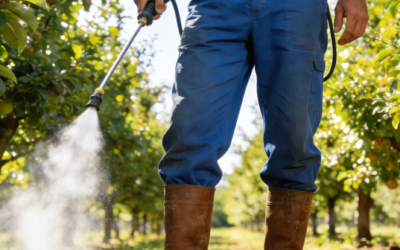
Spray until leaves glisten but don’t drip. The undersides of leaves hold most soft-bodied pests. Aphids cluster there. Whiteflies lay eggs on leaf bottoms. Tilt leaves and spray the hidden surfaces. A pump sprayer with an adjustable nozzle lets you angle the spray pattern upward.
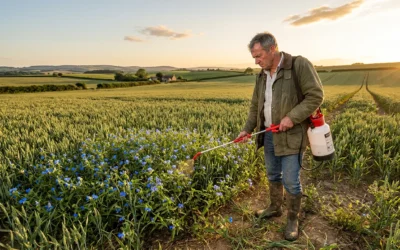
Use during calm weather. Wind drifts spray onto unintended plants. Morning works best—6:00-9:00 AM. Stomata (leaf pores) open widest then. Absorption peaks. Avoid spraying if rain comes within 4 hours. You’ll wash off the treatment before plants absorb it. Temperature matters too. Don’t spray above 85°F. Heat stress closes stomata and blocks uptake.
Measuring and Mixing: The Math That Keeps Food Safe
Garden pest control needs the same care as farm fertilizer application. Researchers measuring fertilizer rates record pounds of active ingredient, figure rate per application, do the math by number of applications, then add up total applied. Your imidacloprid mixing needs that same care.
Use measuring spoons, not guesses. “A capful” varies by cap size. “A splash” means nothing. Mark a set of measuring spoons for garden chemicals. Store them with your products. Never use kitchen measuring tools for pesticides, then return them to the house.
Write your dilution ratio on the spray bottle with permanent marker: “1 tsp/gal – Imidacloprid – Vegetables ONLY.” Date it. Six months later, you won’t remember if that bottle holds the vegetable formula or the stronger ornamental mix. Mix-ups ruin your safety planning.
Figure out total volume needed before mixing. A 32-ounce spray bottle holds 0.25 gallons. You need 1/4 teaspoon of concentrate for that size. A 1-gallon pump sprayer needs the full teaspoon. Mix what you’ll use that day. Diluted imidacloprid breaks down faster than concentrate. Yesterday’s leftover spray loses power.
Mixing Instructions Specifically for Vegetable Garden Applications
Rates and Dosages for Different Vegetables
Each vegetable needs different amounts of imidacloprid. Tomatoes need more than lettuce. Peppers need different timing than cucumbers. Commercial growers measure in pounds per acre. Home gardeners use teaspoons and tablespoons. The active ingredient percentage matters a lot. 2% granular imidacloprid works one way. 0.5% concentrate works another. Your dosage depends on three things: what you grow, which formula you bought, and your garden size.
Tomatoes and Peppers: Heavy Feeders Need More Protection
Big fruiting vegetables face constant pests. Aphids attack new growth. Whiteflies breed on leaf undersides. These plants need the highest label rates for full season coverage.
Granular application (2% imidacloprid): Use 1.5-2 tablespoons per plant at transplanting. Work it into soil 6 inches around the base. Water with ½ inch right away. This protects for 8-10 weeks. Add 1 tablespoon per plant when fruit sets if beetles or aphids come back.
Soil drench (1.47% liquid concentrate): Mix 1 teaspoon per gallon of water. Pour 2 cups diluted solution per plant each month during active growth. Start two weeks after transplanting. Stop 21 days before first harvest. Mark your calendar. That PHI keeps your food safe.
Cucumbers, Squash, and Melons: Moderate Rates for Vine Crops
Cucumber beetles show up the day vines start running. Squash bugs cluster on stems. These crops need protection but grow faster than tomatoes.
Granular application: Use 1 tablespoon per plant or 2 teaspoons per foot of row. Add when true leaves appear. Cucumbers planted May 1st get treatment May 15th. The chemical builds up as vines grow. One application covers 8-12 weeks. That’s enough for most cucumber types to finish.
Soil drench: Mix 1 teaspoon per gallon. Use 1 cup per plant every 3-4 weeks. Vine crops need less treatment than tomatoes. They grow faster, so you apply fewer times total.
Leafy Greens: Light Touch Required
Lettuce, spinach, and kale harvest fast. Short growing seasons need different doses. These crops have shorter PHI times too. Check your product label. It’s 7-14 days for most.
Granular application: Use ½ teaspoon per foot of row. Sprinkle between rows, not on plants. Work into top 2 inches of soil. Water right away. This light rate stops aphids without building too much residue in fast-growing leaves.
Soil drench: Mix ½ teaspoon per gallon of water. Use ¼ cup per plant or 1 cup per row foot. Add this just if pests appear. Many leafy greens finish harvest before needing treatment. Stop 14 days before cutting leaves.
Beans and Peas: Minimal Treatment Protocol
Legumes fix their own nitrogen. They grow fast and finish fast. Most bean types go from seed to harvest in 50-65 days. Peas run even faster in cool weather.
Granular application: Use ½ teaspoon per foot of row at planting. Mix into planting furrow before dropping seeds. One application does the job for most cases. Bean beetles that show up get handled by that first treatment still working through the plant.
Soil drench: Use this for bad infestations alone. Mix ½ teaspoon per gallon. Add ½ cup per foot of row. The 21-day PHI matters more on beans than slow-growing crops. Beans treated June 1st can’t be picked until June 22nd. Many bush bean types finish harvest by then anyway.
Root Vegetables: Special Considerations
Carrots, radishes, and beets grow underground. Imidacloprid moves through the whole plant. That includes roots you’ll eat. Use the lowest rates that work.
Granular application: Use ¼ teaspoon per foot of row. Sprinkle on soil surface after seeds sprout. Don’t mix into soil near growing roots. Water softly to dissolve granules. This stops root maggots and aphids on leaves. It won’t build up too much chemical in the edible root.
Skip foliar sprays on root crops. Soil drench works better. Mix ½ teaspoon per gallon. Add 2 cups per 10 feet of row once tops reach 4 inches tall. Stop treatments 30 days before harvest. That’s longer than above-ground vegetables. Chemical residue clears slower from root tissue than from leaves.

Applying imidacloprid to your vegetable garden? It’s simpler than you think. Get the basics right first. Choose the correct formulation. Mix the ratios properly. Time your applications well. That’s it—you’re set.
This systemic insecticide works best as one tool among many. Don’t rely on it alone. Combine it with other pest control methods for better results.
Precision wins over guesswork. Measure your doses exactly. Follow pre-harvest intervals strictly. Keep detailed records of what you applied and when. Your future self will appreciate it. So will anyone eating those tomatoes.
Want to protect your vegetables from stubborn pests? Start small. Test your application method on a few plants. Build confidence from there.
Not sure about dosage or safety intervals for a specific vegetable? Check the product label. Call your local extension office. Don’t guess. Your garden needs that care.

0 Comments