


Carbendazim 50% SC
|
Name:
|
Carbendazim 50% SC
|
|
CAS No:
|
10605-21-7
|
|
Molecular Formula:
|
C₉H₉N₃O₂
|
|
Molecular Weight:
|
191.19 g/mol
|
|
EINECS No:
|
234-232-0
|
|
MDL No:
|
MFCD00055581
|
|
Appearance:
|
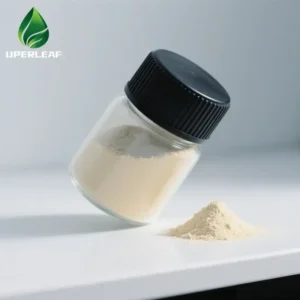
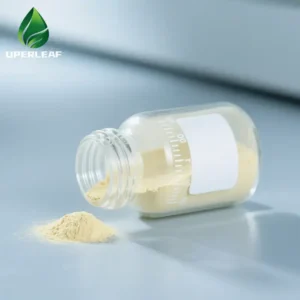
The formulation is a light brown or off-white viscous flowable suspension with no visible mechanical impurities; slight stratification may occur when left standing, and it returns to uniformity after stirring
|
|
Storage Conditions:
|
Seal and store in a cool, dry, and well-ventilated place, avoid direct sunlight, storage temperature 0-35℃, keep away from fire sources, heat sources, and food raw materials, and store separately from alkaline substances
|
Parameters:
|
Name:
|
Carbendazim 50% SC
|
|
CAS No.
|
10605-21-7
|
|
Molecular Formula
|
C₉H₉N₃O₂
|
|
Molecular Weight
|
191.19 g/mol
|
|
EINECS No.
|
234-232-0
|
|
MDL No.
|
MFCD00055581
|
|
Appearance
|
The formulation is a light brown or off-white viscous flowable suspension with no visible mechanical impurities; slight stratification may occur when left standing, and it returns to uniformity after stirring
|
|
Storage Conditions
|
Seal and store in a cool, dry, and well-ventilated place, avoid direct sunlight, storage temperature 0-35℃, keep away from fire sources, heat sources, and food raw materials, and store separately from alkaline substances
|
|
Solubility (Technical Material)
|
Water: <0.1 g/100 mL (21℃); soluble in dilute acids (forming salts), acetone (18 g/100 mL), ethanol (2 g/100 mL), chloroform and other organic solvents
|
|
Melting Point (Technical Material)
|
302-307℃ (decomposes)
|
|
Boiling Point
|
No actual boiling point data (decomposes at high temperatures)
|
|
Density (Formulation)
|
1.05-1.15 g/cm³ (20℃)
|
|
Vapor Pressure (Technical Material)
|
1.33×10⁻⁸ Pa (25℃, extremely low, almost non-volatile)
|
Application
1.Control Objects
Field crops: Wheat scab, rice sheath blight, corn northern leaf blight, rapeseed sclerotinia.
Fruit trees: Apple ring rot, citrus canker, grape anthracnose, peach root rot.
Vegetables: Tomato early blight, cucumber powdery mildew, strawberry gray mold, lotus leaf spot.
Cash crops: Peanut leaf spot, cotton damping-off, flower powdery mildew, nursery soil disinfection.
2.Mechanism of Action
It is a systemic conductive fungicide that inhibits fungal tubulin synthesis, with both preventive and therapeutic effects, and a duration of 7-10 days.
3.Application Methods
Spraying: Dilute 1000-1500 times (i.e., 100-150kg of water per 100g of the agent), spray evenly on the leaves and stems of crops, focusing on covering the parts prone to diseases.
Root irrigation: Dilute 800-1000 times, used to control vegetable root rot and fruit tree root cancer, with 0.5-1L of liquid per plant.
Seed dressing: Dress seeds at 0.2-0.3% of the seed weight to control rice bakanae disease and wheat smut.
4.Applicable Period:
Apply the pesticide at the initial stage or before the onset of the disease, and use it continuously 2-3 times with an interval of 7-10 days.
After fruit trees are harvested, 500-800 times liquid can be used for fruit dipping to control citrus green mold and banana anthracnose.
Packaging and Storage
1.Packaging Specifications
Regular packaging: 100ml, 200ml, 500ml, 1L plastic bottles, with outer carton packaging (e.g., 100ml × 50 bottles/carton).
Bulk packaging: 5L, 10L, 20L polyethylene drums, suitable for large-scale agricultural use.
2.Storage Conditions
Store in a cool, dry, and well-ventilated place, away from fire sources and food raw materials.
Prevent access by children, pregnant women, and non-professionals. Store separately from alkaline substances.
Precautions and Safety
Mixing Prohibitions
Do not mix with alkaline pesticides such as Bordeaux mixture and lime sulfur, to avoid decomposition and loss of efficacy.
Resistance Management: It is recommended to alternate use with fungicides of different mechanisms of action such as azoxystrobin and tebuconazole to delay the development of resistance.
Pre-harvest Interval (PHI)
1.Vegetables: Discontinue use 7-14 days before harvest.
2.Fruit trees: Discontinue use 28-30 days before harvest for apples and citrus; 21-35 days before harvest for grapes and bananas.
3.Food crops: Discontinue use 28-30 days before harvest for wheat and rice.
Environmental Safety
Avoid applying pesticides near rivers, ponds, and drinking water sources. It has low toxicity to fish and bees, but direct contact should be avoided.
Emergency Treatment: In case of accidental ingestion, induce vomiting immediately and seek medical attention. For skin contact, wash with soapy water. For eye contact, rinse with clean water for 15 minutes.
Reviews
There are no reviews yet.